
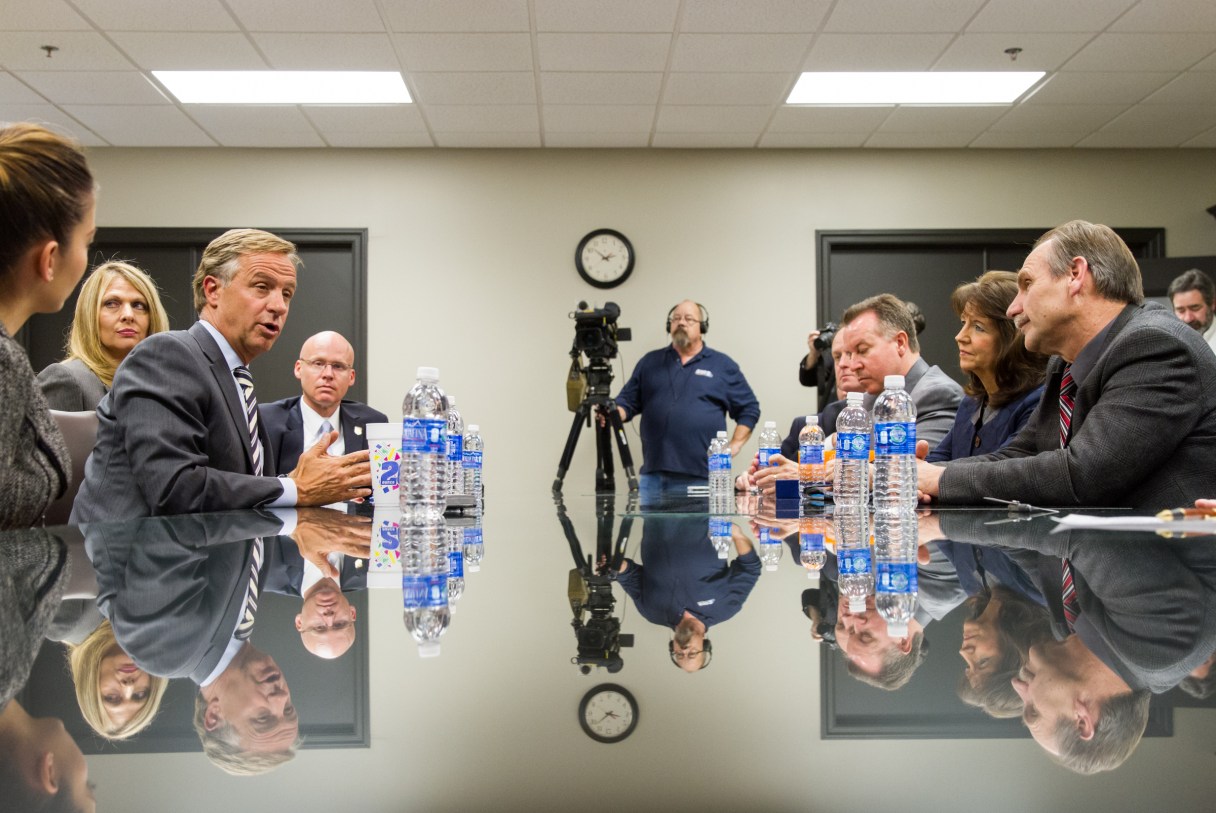
NASHVILLE, Tenn. (AP) – After months of negotiations and political wrangling, Republican Gov. Bill Haslam’s proposal to extend health coverage to 280,000 low-income Tennesseans comes down to a 451-word resolution.
The Republican-controlled Legislature convenes in a special session on Monday to decide whether to OK the governor’s Insure Tennessee plan – or to or leave $2.8 billion in federal money on the table.
“Insure Tennessee is a unique, alternative approach that brings Tennessee taxpayer dollars back to this state to benefit Tennessee citizens,” according to the resolution filed Saturday.
While many lawmakers have praised Haslam for negotiating a special deal that includes co-pays and vouchers to buy private insurance, many Republicans still have grave reservations dealing with the federal government and about agreeing to a plan based on President Barack Obama’s health care law.
“If they would block grant this money, we would probably implement what the governor is trying to do,” House Republican Caucus Chairman Glen Casada of Franklin said last week. “Legislators are just concerned about making a deal, the governor making a deal, and another government agency out of Washington overriding the deal we make. That has happened.”