
Tuesday, November 10, 2026Nov 10

Georgia GOP leaders hope to avoid snags over hospital tax

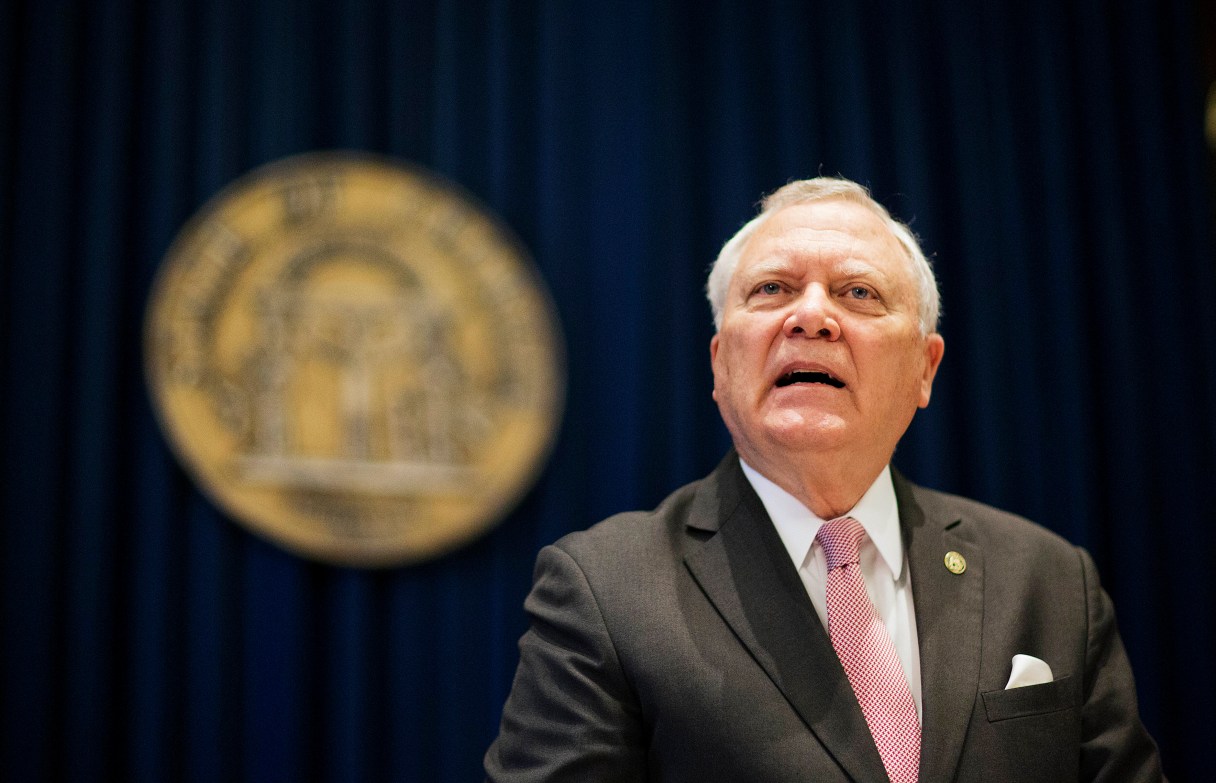
FILE - In this March 28, 2016 file photo, Georgia Gov. Nathan Deal speaks during a news conference in Atlanta.  Tuesday, Nov. 8 presidential results and Georgians’ rejection of a proposed amendment to the state constitution are already having an effect on the upcoming legislative session. Health care and education issues were expected to dominate 2017 at the Capitol. But key policymakers say discussions about expanding Medicaid in Georgia are likely on hold.  Deal says he’s mulling options after voters rejected allowing a state takeover of some schools.  (AP Photo/David Goldman)
FILE - In this March 28, 2016 file photo, Georgia Gov. Nathan Deal speaks during a news conference in Atlanta. Tuesday, Nov. 8 presidential results and Georgians’ rejection of a proposed amendment to the state constitution are already having an effect on the upcoming legislative session. Health care and education issues were expected to dominate 2017 at the Capitol. But key policymakers say discussions about expanding Medicaid in Georgia are likely on hold. Deal says he’s mulling options after voters rejected allowing a state takeover of some schools. (AP Photo/David Goldman) FILE - In this March 28, 2016 file photo, Georgia Gov. Nathan Deal speaks during a news conference in Atlanta. Tuesday, Nov. 8 presidential results and Georgians’ rejection of a proposed amendment to the state constitution are already having an effect on the upcoming legislative session. Health care and education issues were expected to dominate 2017 at the Capitol. But key policymakers say discussions about expanding Medicaid in Georgia are likely on hold. Deal says he’s mulling options after voters rejected allowing a state takeover of some schools. (AP Photo/David Goldman)

ATLANTA – Georgia’s governor and legislative leaders hope to quickly extend an annual tax on hospitals that covers a large share of state health care expenses when lawmakers return to the Capitol in January.

The quarterly charges, disparaged by opponents in the past as a “bed tax,” are set to expire on June 30. The state’s Medicaid budget could lose more than $880 million if lawmakers don’t renew the program.

The fees first adopted in 2010 are a percentage of Georgia hospitals’ net patient revenue and also allow Georgia’s Medicaid program to draw millions more in federal support for treating low-income residents. The tax yielded more than $280 million from hospitals and nearly $600 million in matching federal support.

Hospitals that see high numbers of low-income patients get the money back through a higher payment rate from the Medicaid program.

Gov. Nathan Deal and legislative leaders have said extending the tax and securing those federal dollars are among their top priorities. A spokesman for Lieutenant Governor Casey Cagle said recently that the Republican will “encourage early action.”