
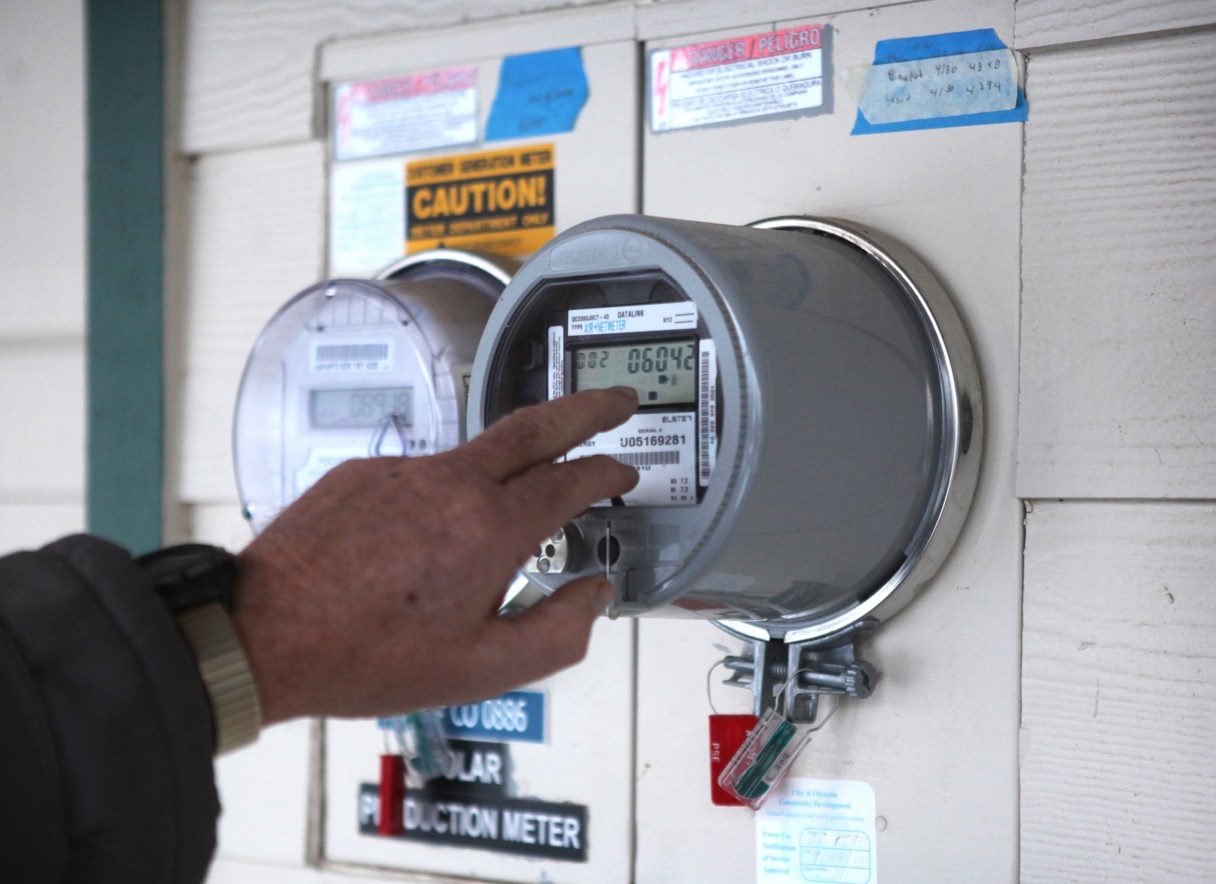
The fuel price increases that have been causing motorists more pain at the pump will also hit home next month with higher heating bills.
EPB residential electricity prices will rise another 2.8% in Chattanooga next month due to higher natural gas prices on the global market after the Russian invasion of Ukraine and the subsequent global trade sanctions against Russian oil and gas purchases. The higher monthly fuel surcharge by the Tennessee Valley Authority, which supplies electricity to EPB and 152 other local power companies in the Tennessee Valley, will add another $3.60 to the typical monthly power bill in April for an average household using 1,295 kilowatt-hours of electricity.
Chattanooga Gas Co. prices will rise even more, with the monthly fuel supply charge for natural gas increasing nearly 20% from 64 cents per therm in March to 76.5 cents per therm next month.
(READ MORE: Northwest Georgia unemployment rate remains near historic lows)
Even before the latest increase in fuel cost surcharges on electric and natural gas bills, Chattanooga households on fixed incomes have often had a hard time paying higher utility bills this winter.
“For many families that were struggling to pay their bills before the pandemic, it’s virtually impossible now with higher rents, higher power bills and higher sewer charges,” said Rebecca Welchel, the executive director for Metropolitan Ministries, which works with many low-income families struggling to pay utility bills. “It’s contributing to a number of evictions, and there are few affordable places to go, so we end up with more first-time homeless people.”
(READ MORE: Georgia, Tennessee among top states for worker resignations)
Chattanooga and Hamilton County households have been facing annual increases in recent years in sewer charges – often 10% or more a year – to pay for costly rehabilitation of underground pipes and sewer line extensions. In a telephone interview Friday, Welchel said rental rates for apartments and duplexes also have jumped as more out-of-town investors have bought into the Chattanooga housing market and bid up property prices.
As a result, Metropolitan Ministries is getting about 300 calls an hour for its bill-paying assistance programs, even though it can only help 20 households a day.
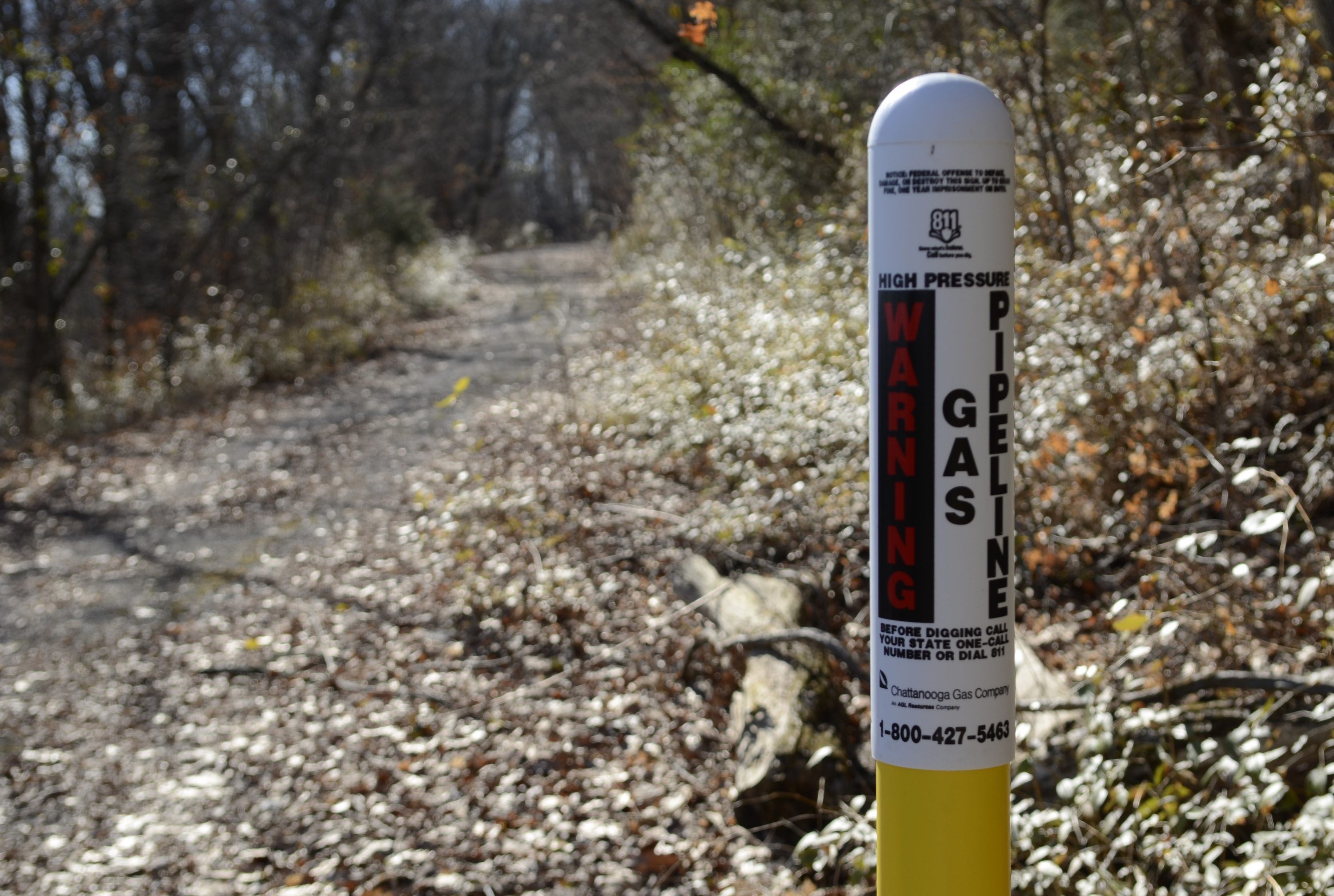 Staff file photo / Markers denoting underground Chattanooga Gas Company lines are seen along the Wauhatchie Trail on the foot of Lookout Mountain.
“It’s really bad right now, and these increases will only make it worse,” Welchel said.
Holly Lovett, a spokesperson for Southern Gas Co., the parent company of Chattanooga Gas, said in an email the rise in natural gas costs “reflects the impact of supply constraints and higher demand this winter heating season, as well as the continued fluctuations in natural gas costs due to ongoing global conflict in some areas.
“Chattanooga Gas does not profit from these increased costs and instead passes on the market cost directly to customers,” she said. “Historically, lower residential use of natural gas can be expected in March and April as we start to see warmer temperatures.”
(READ MORE: Volkswagen recalls over 246,000 SUVs due to unexpected braking)
The Tennessee Valley Authority generates only about 40% of its electricity from natural gas and coal, which have become more expensive in recent weeks, and is raising its monthly fuel prices to about 37% above the average for the past three years.
“TVA is impacted by the volatility in the market, however our diverse generation portfolio – with its strong reliance on carbon-free nuclear, hydro and renewables – helps insulate TVA’s customers from the significant increases being seen in other parts of the country,” TVA spokesperson Jim Hopson said in an email. “A stronger economic recovery from the pandemic conditions over the past two years has pushed up power demand, especially compared to the significant drop we saw at the beginning of the pandemic period in April 2020 and the continuing recovery in 2021.”
EPB Vice President J. Ed. Martson said in an interview with the Times Free Press the EPB works with its customers to help reduce energy consumption and to arrange payment schedules for paying off the higher bills. Although fuel costs have increased, TVA has not increased its base electricity rates since 2019, and during the pandemic, TVA provided a relief credit to local power companies. As a result, electricity rates in TVA’s seven-state region, adjusted for inflation, have been relatively stable over the past five years.
“We want to work with our customers to make sure they don’t waste any of what we provide to them,” EPB President David Wade told the EPB board Friday.
Marston said over the past three months, EPB’s power disconnections were down about 20% compared to the same months in 2019-2020, just prior to the onset of COVID-19.
The Low-Income Home Energy Assistance Program is a federally funded grant program that helps eligible families pay their energy bills. Chattanooga Gas said it also offers consumers tips on how to reduce their gas usage to limit bills. Customers can learn more www.chattanoogagas.com.
Contact Dave Flessner at dflessner@timesfreepress.com or at 423-757-6340.