
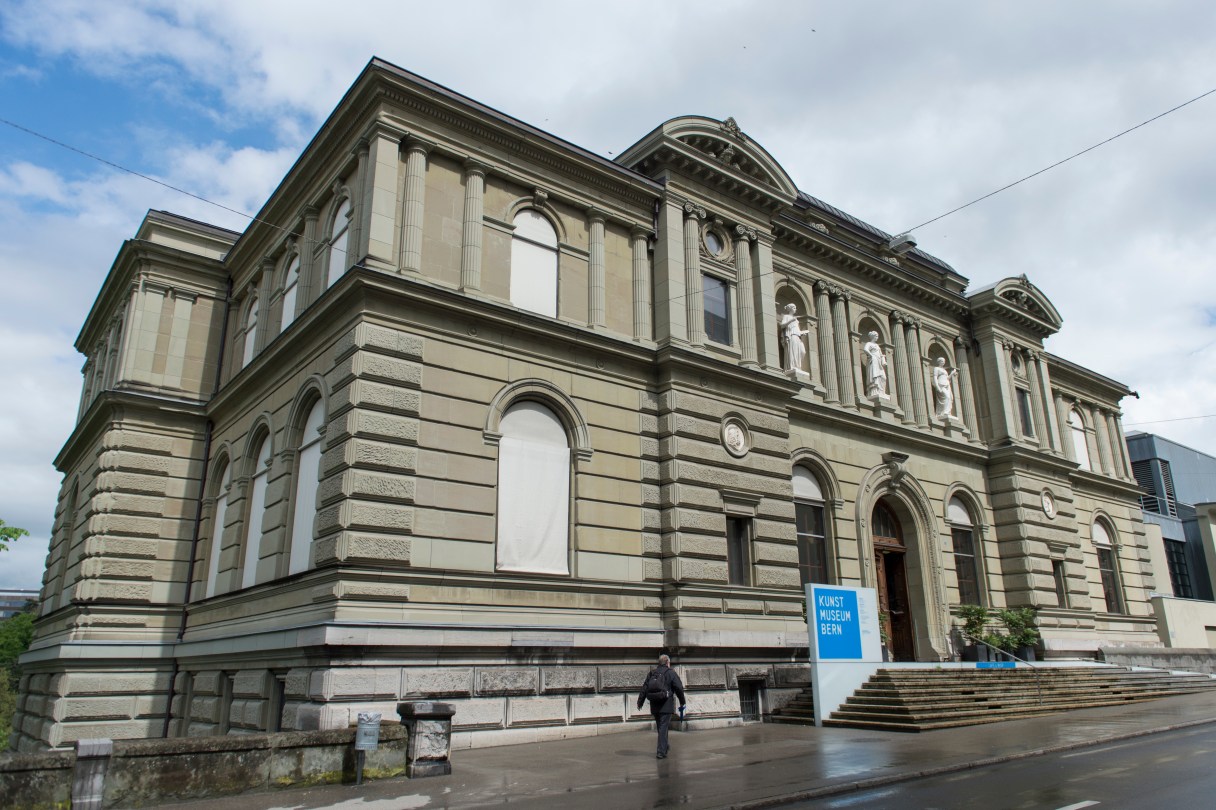
BERLIN (AP) – A Swiss museum agreed on Monday to accept a priceless collection of long-hidden art bequeathed to it by German collector Cornelius Gurlitt, but said it will work with German officials to ensure any pieces looted by the Nazis from Jewish owners are returned.
German authorities in 2012 seized 1,280 pieces from Gurlitt’s apartment while investigating a tax case, including works by Pablo Picasso and Marc Chagall. Gurlitt died in May, designating Switzerland’s Kunstmuseum Bern as his sole heir.
The museum’s president, Christoph Schaeublin, told reporters in Berlin that the Kunstmuseum Bern had decided to accept the collection after long deliberations.
Shortly before he died, Gurlitt reached a deal with the German government to check whether hundreds of the works were looted from Jewish owners by the Nazis. Authorities have said that deal is binding on any heirs, and Schaeublin said the museum would undertake extensive research to determine the provenance of the works.
According to an agreement the museum worked out with German authorities, a task force set up by the government will also continue to investigate the background of the art to determine if it was looted, and whom it was looted from.