





The government shutdown is not creating serious issues for those in need of food here in Chattanooga, yet.
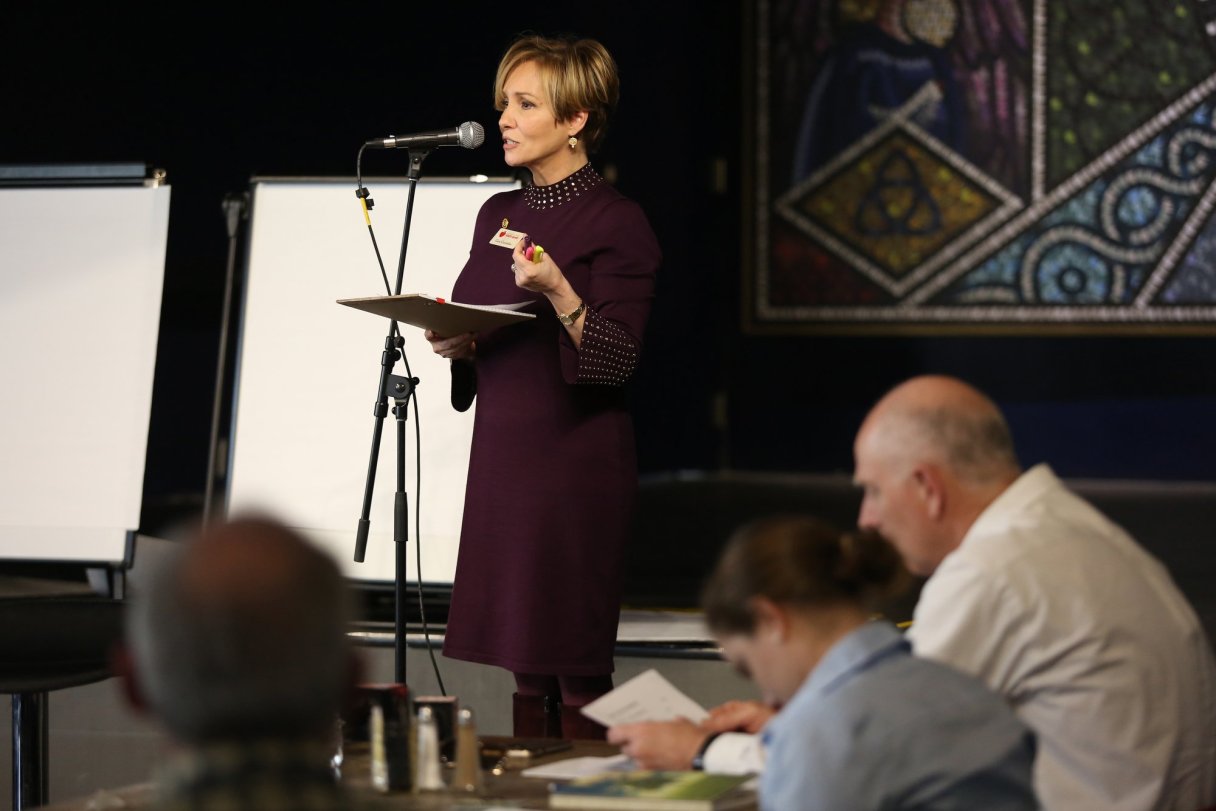
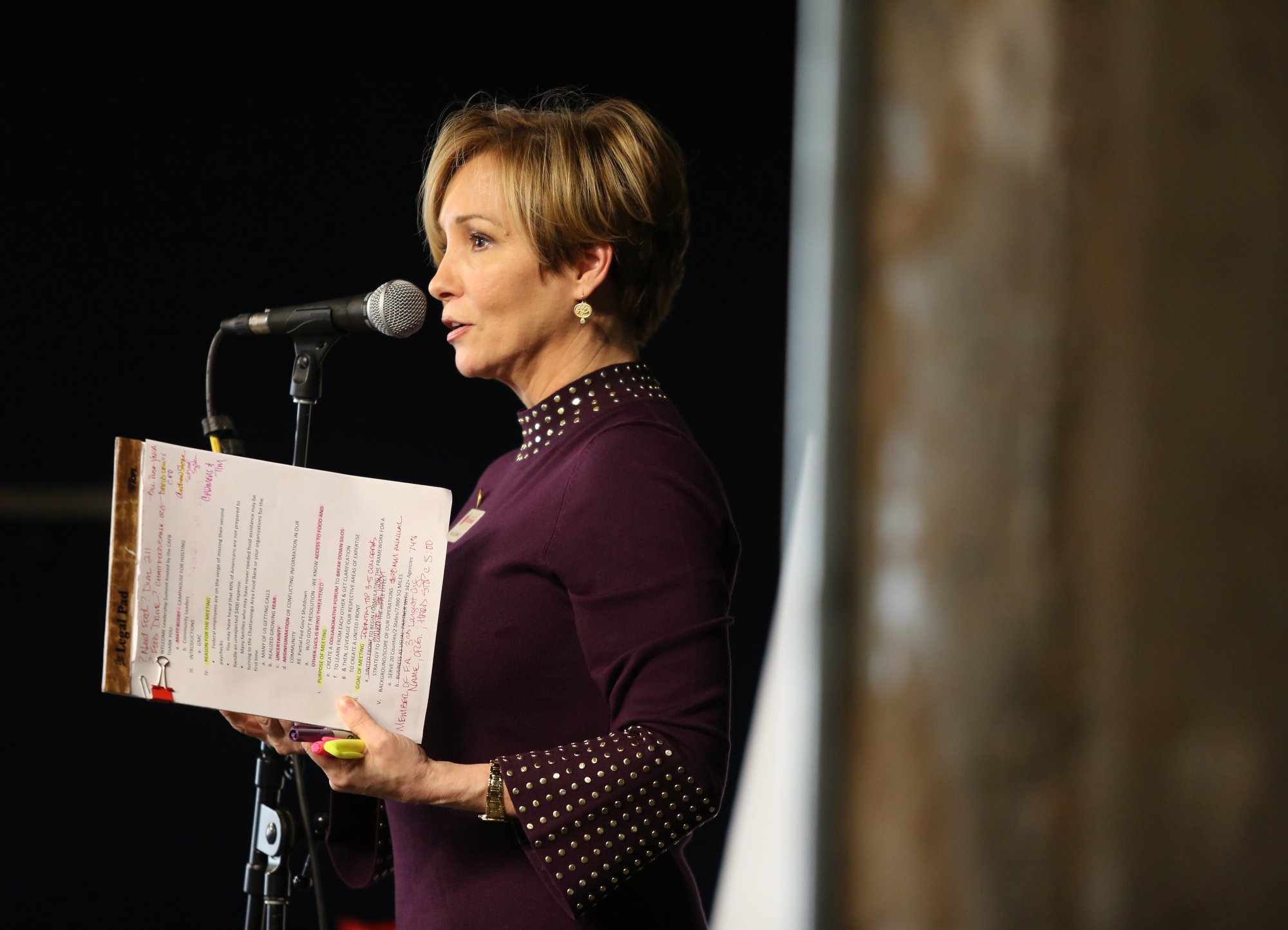
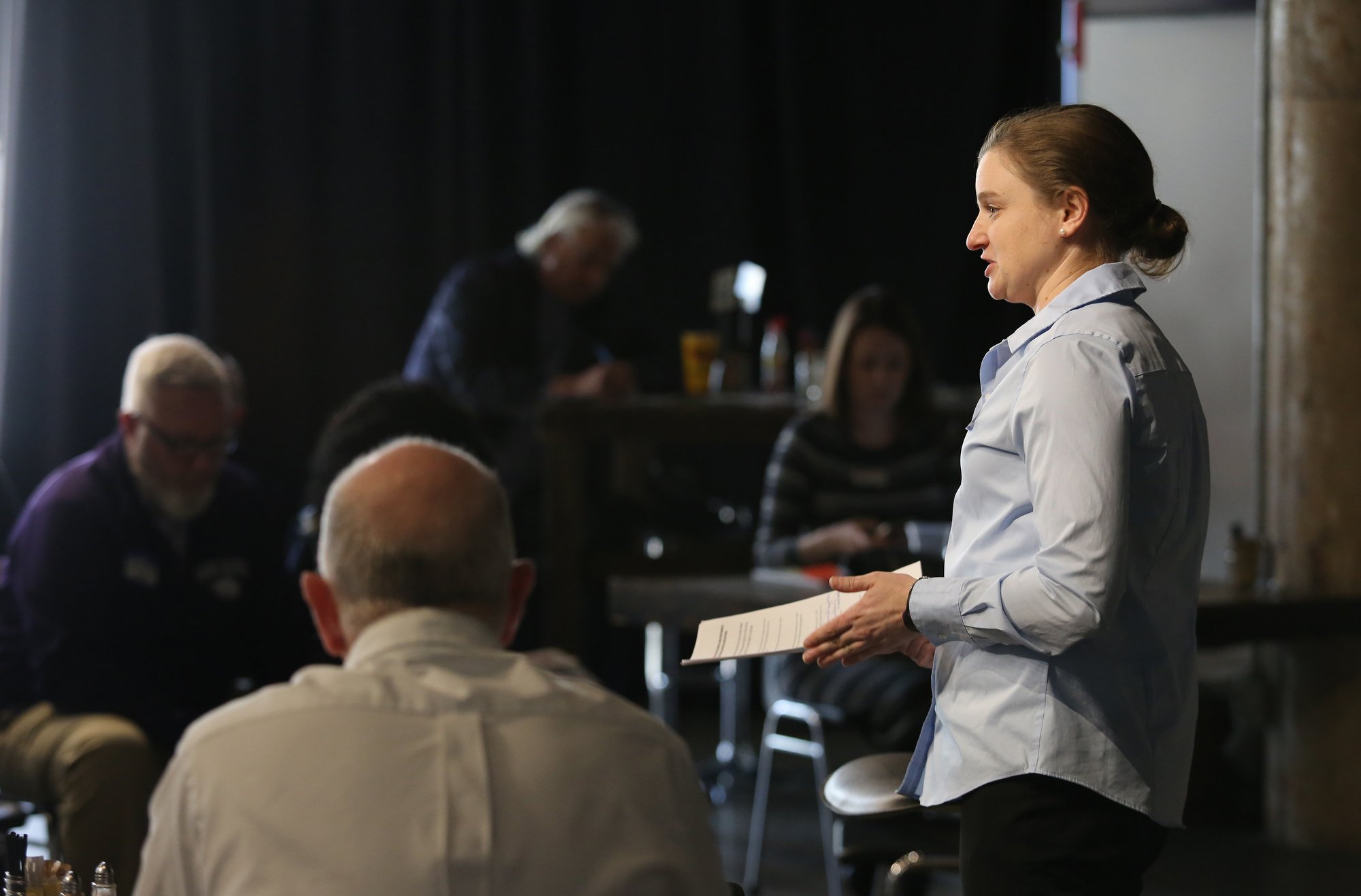
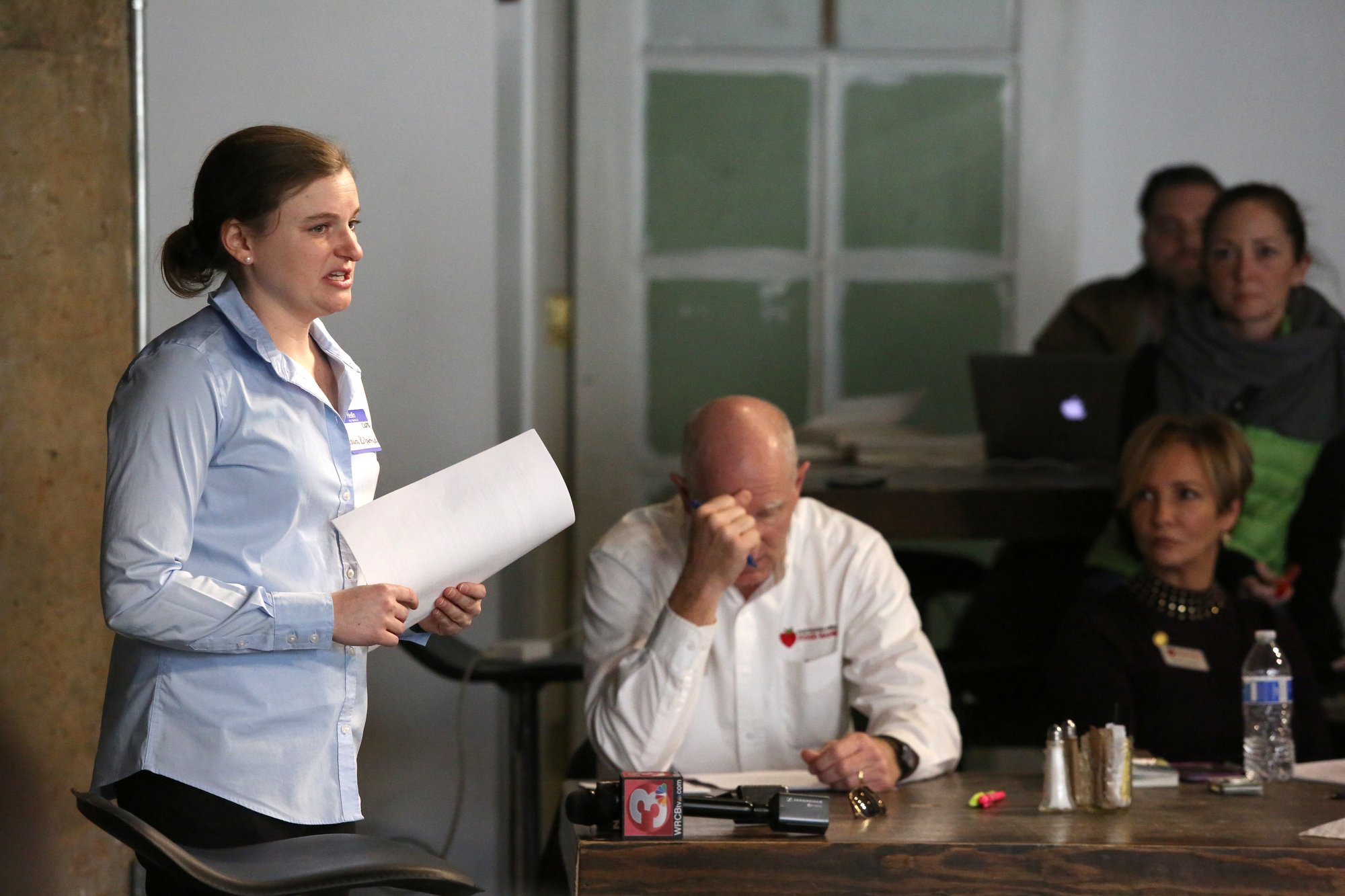
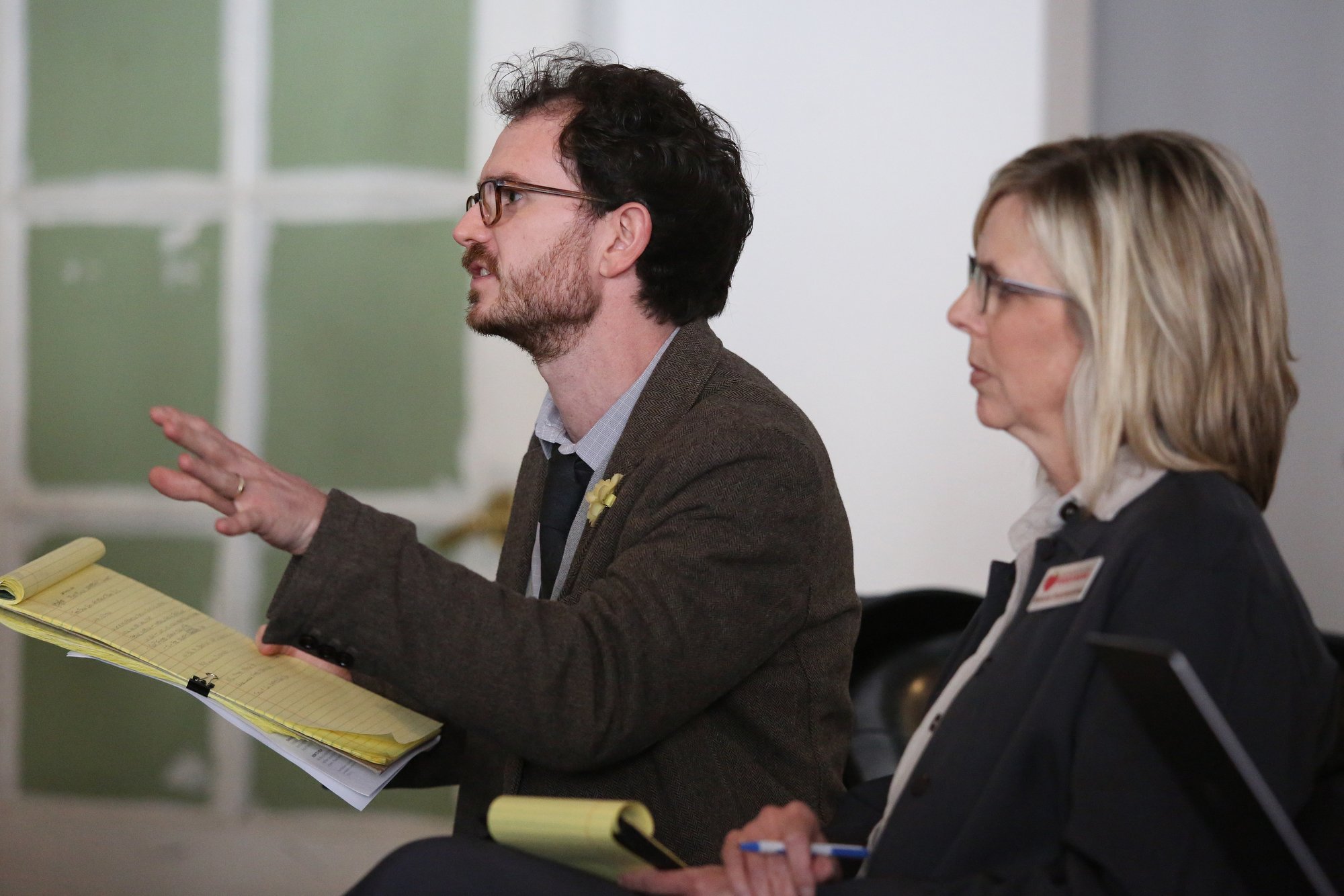
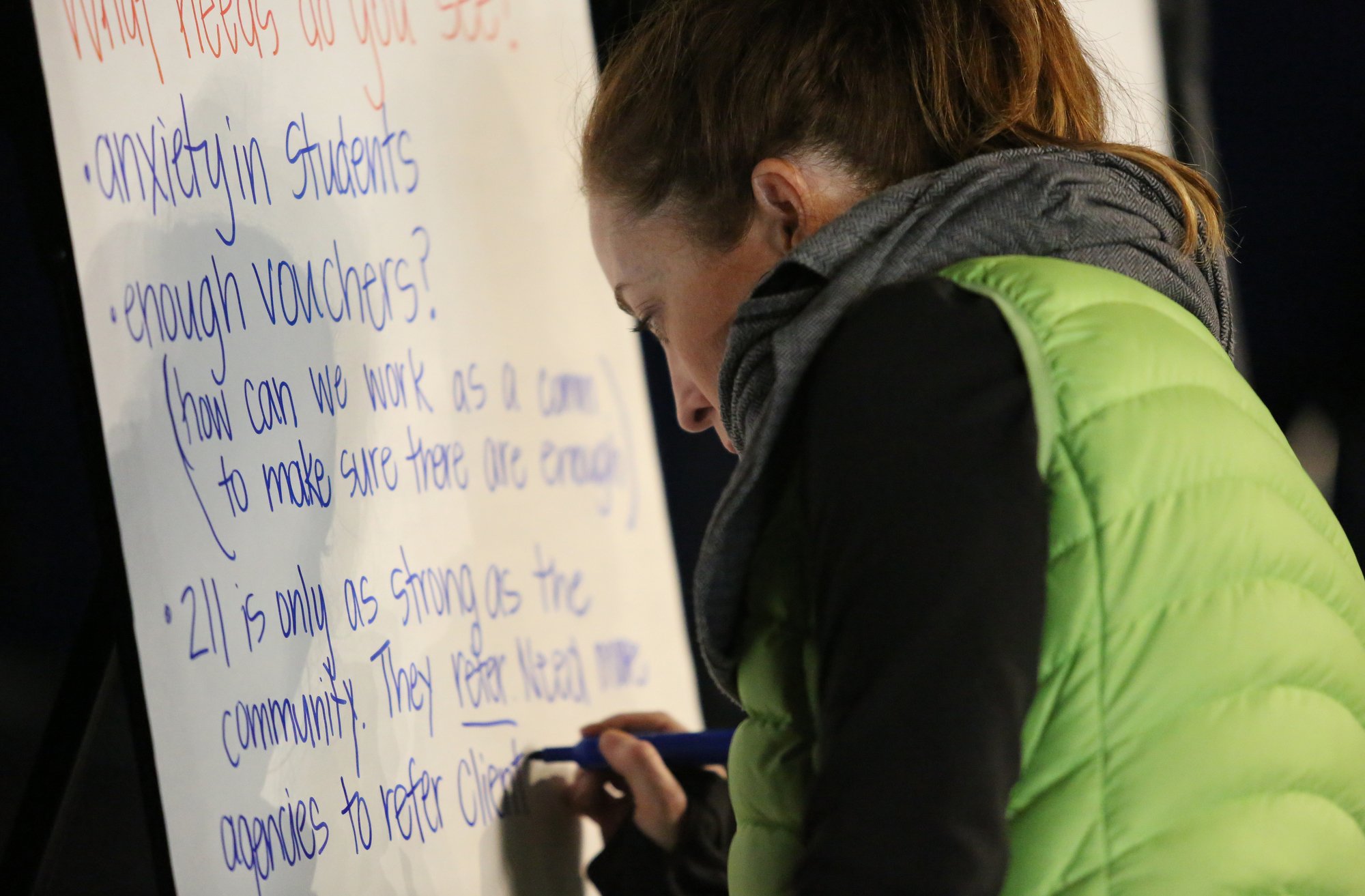
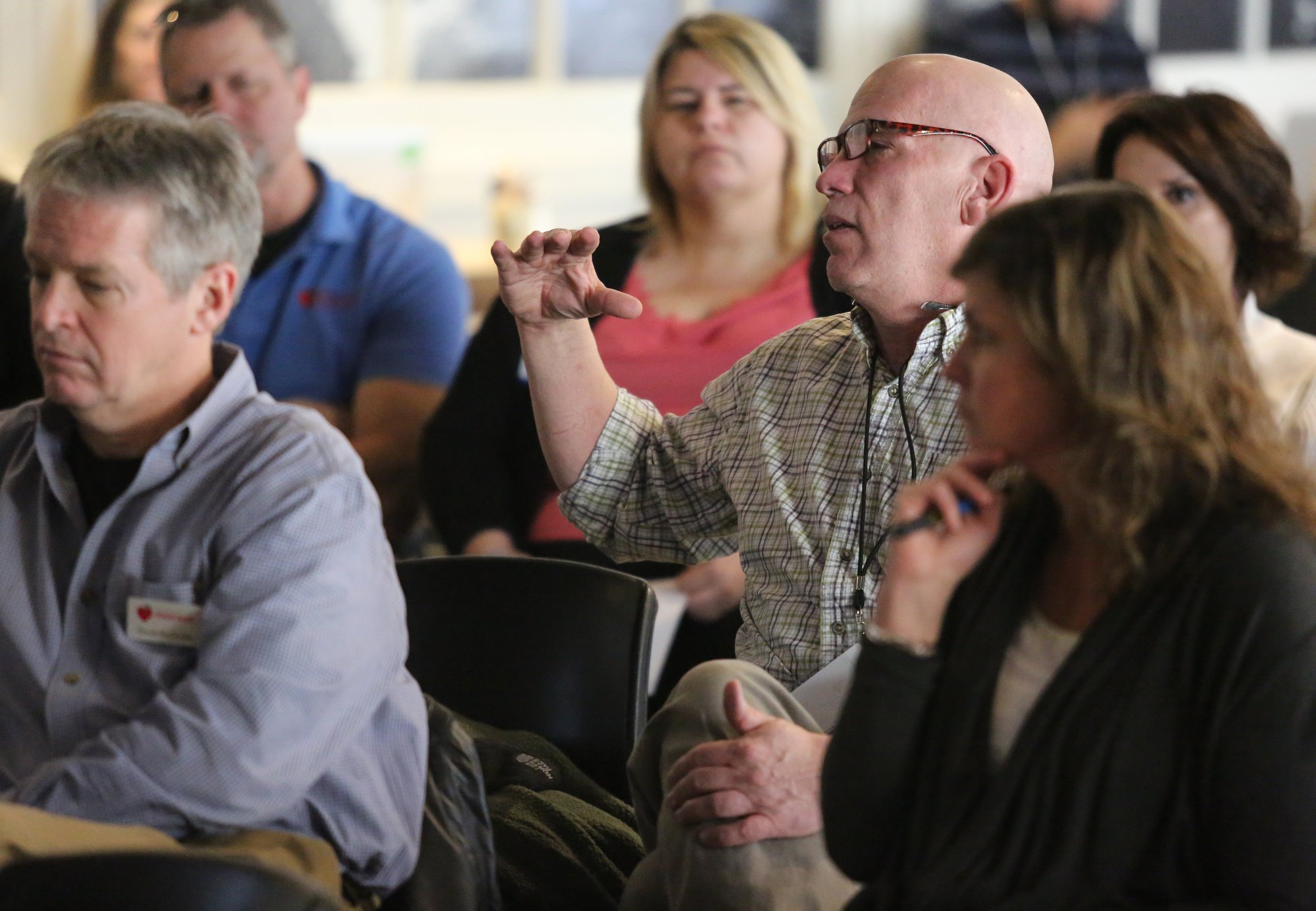
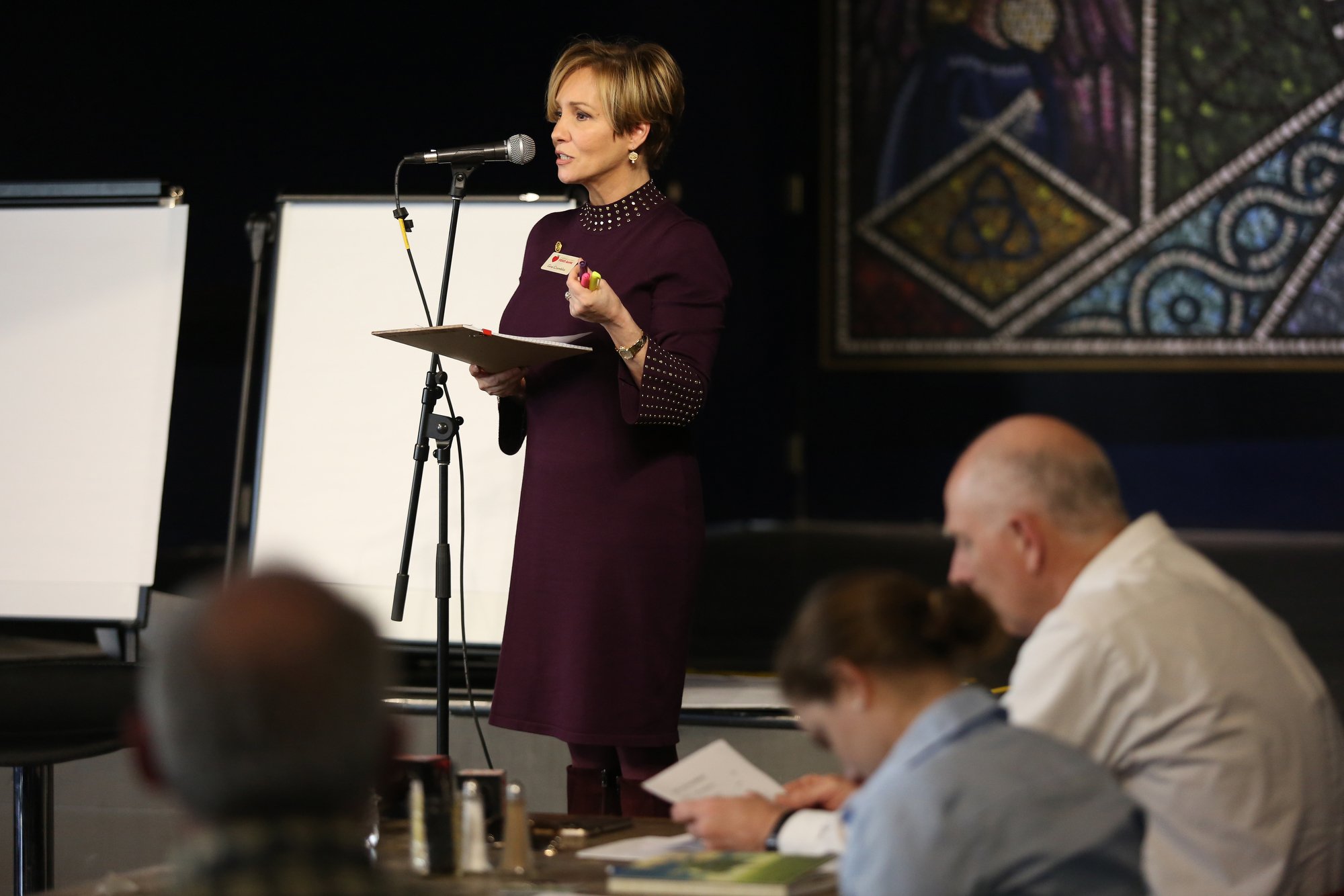
That’s the message leaders of the Chattanooga Area Food Bank delivered Thursday to social service agency representatives who attended a hastily called meeting to discuss the current and future impact of the shutdown on the food distribution network.
“If you are a federal worker about to miss a second paycheck Friday, or a federal contractor, it’s a crisis today,” said Food Bank Chief Operating Officer Mark Hilling, citing the government statistic that 40 percent of American households can’t pay for a $400 emergency expense. “Many people have not faced food insecurity before. What we are facing is like a hurricane. It’s hitting the outer island at some level, but it is about to come on shore. We are hoping it turns away, heads to the North Atlantic and we are all happy.”
Hilling said the urgency of the meeting centered around planning for what happens if the shutdown continues beyond the point that other federal assistance programs, such as the Supplemental Nutrition Assistance Program (SNAP), which provides food stamps, are not available.
“There is no shortage of food, but what happens when we get to March or later?” Hilling said. “We are planning for a larger crisis down the road.”