
Thursday, November 12, 2026Nov 12

‘Nepali’ or ‘Nepalese’? A linguist chimes in

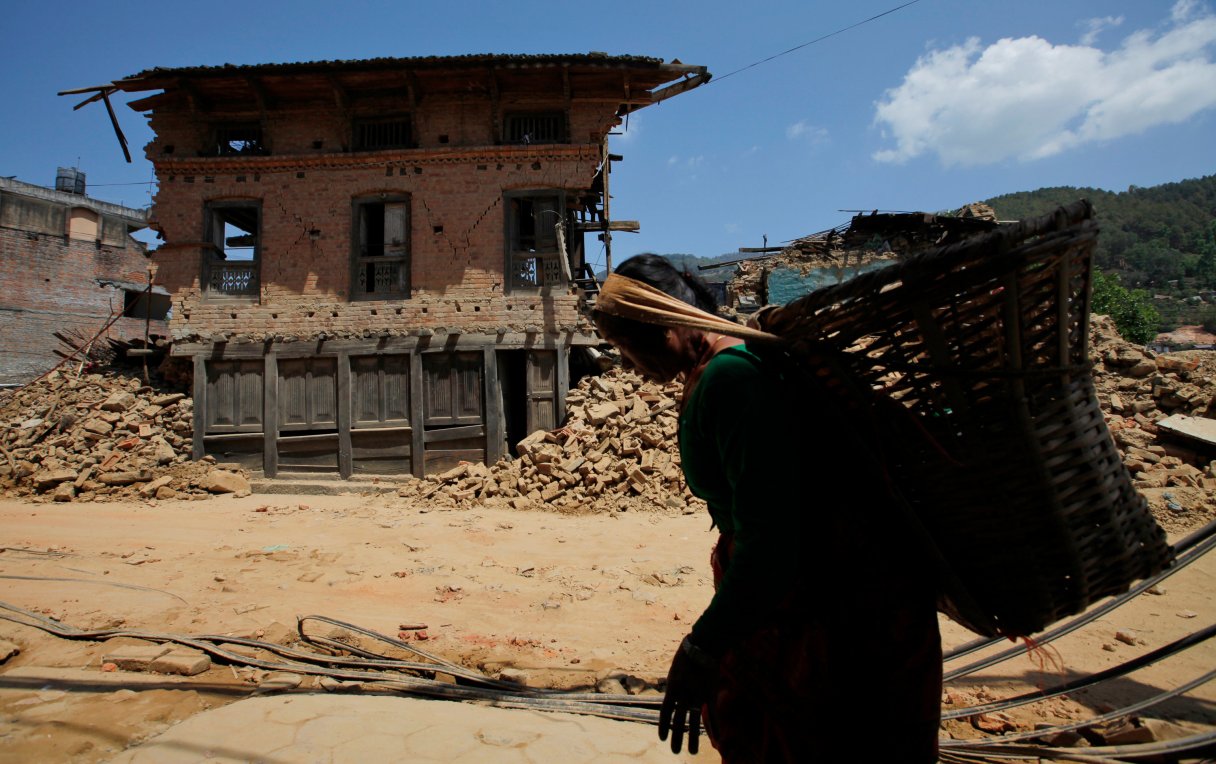
A Nepali woman carries a basket and walks past a damaged house in the Nepalese capital of Kathmandu on Saturday, May 2, 2015. What is the difference between the words "Nepali" and "Nepalese"? Very little, it seems _ even if the question has come up repeatedly in newsrooms since the April 25 earthquake. (AP Photo/Niranjan Shrestha, File)
A Nepali woman carries a basket and walks past a damaged house in the Nepalese capital of Kathmandu on Saturday, May 2, 2015. What is the difference between the words "Nepali" and "Nepalese"? Very little, it seems _ even if the question has come up repeatedly in newsrooms since the April 25 earthquake. (AP Photo/Niranjan Shrestha, File) A Nepali woman carries a basket and walks past a damaged house in the Nepalese capital of Kathmandu on Saturday, May 2, 2015. What is the difference between the words "Nepali" and "Nepalese"? Very little, it seems _ even if the question has come up repeatedly in newsrooms since the April 25 earthquake. (AP Photo/Niranjan Shrestha, File)

KATHMANDU, Nepal (AP) – What is the difference between the words “Nepali” and “Nepalese”? Very little, it seems – even if the question has come up repeatedly in newsrooms since the April 25 earthquake.

The ending “i” in Nepal’s main language is very similar to using “ese” in English (think how Americans turn words like “Brooklyn” or “bureaucrat” into “Brooklynese” or “bureaucratese”).

“Functionally, there is no difference,” the Himalayan linguist Bhim Regmi wrote in an email. However, Regmi prefers “Nepali” to describe both the people of his country and the main language.

Why? Because he does not like to mix the local word “Nepal” with the English suffix “ese.”