
Saturday, November 7, 2026Nov 7

This story is free to read.

Harsher sentences could result from guidance weighed by US

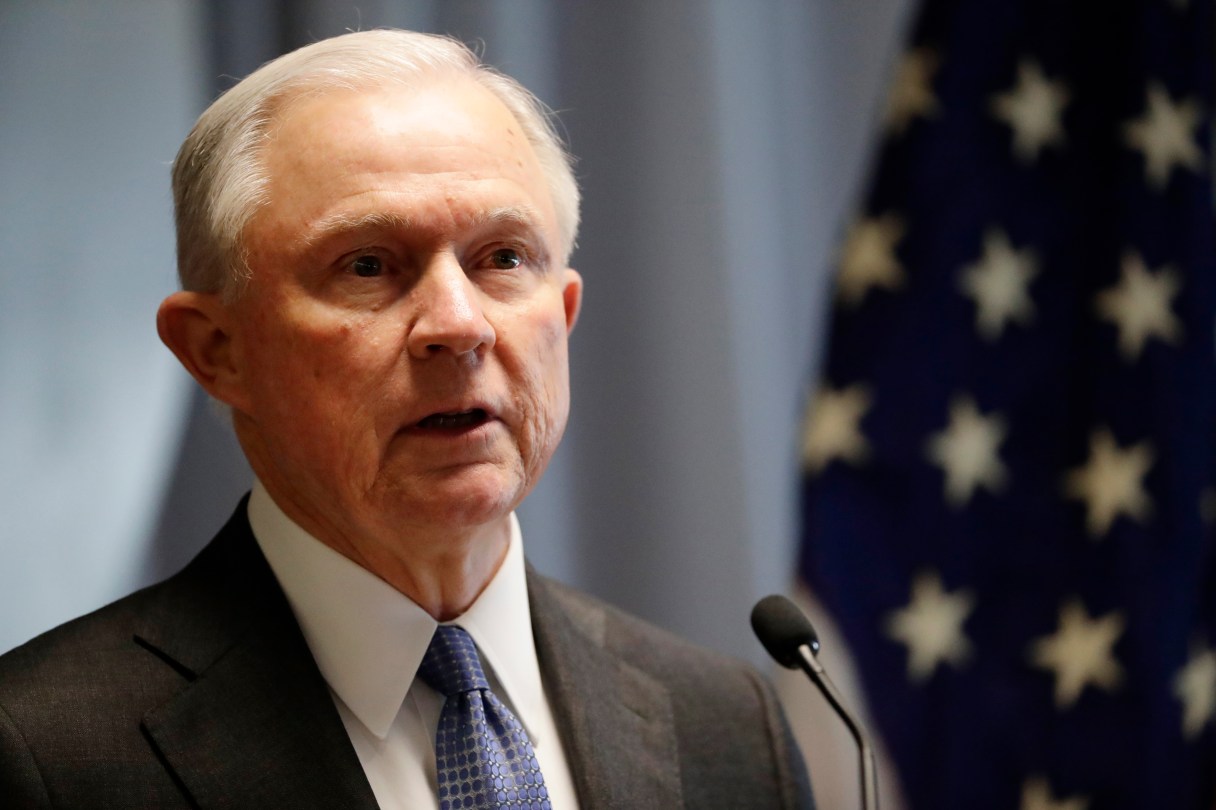
FILE - In this April 28, 2017 file photo, Attorney General Jeff Sessions speaks in Central Islip, N.Y. Justice Department officials have been weighing new guidance that would encourage prosecutors to charge suspects with the most serious offenses they can prove, a departure from Obama-era policies that aimed to reduce the federal prison population and reshape the criminal justice system.  (AP Photo/Frank Franklin II, File)
FILE - In this April 28, 2017 file photo, Attorney General Jeff Sessions speaks in Central Islip, N.Y. Justice Department officials have been weighing new guidance that would encourage prosecutors to charge suspects with the most serious offenses they can prove, a departure from Obama-era policies that aimed to reduce the federal prison population and reshape the criminal justice system. (AP Photo/Frank Franklin II, File) FILE - In this April 28, 2017 file photo, Attorney General Jeff Sessions speaks in Central Islip, N.Y. Justice Department officials have been weighing new guidance that would encourage prosecutors to charge suspects with the most serious offenses they can prove, a departure from Obama-era policies that aimed to reduce the federal prison population and reshape the criminal justice system. (AP Photo/Frank Franklin II, File)

WASHINGTON (AP) – Justice Department officials have been weighing new guidance that would encourage prosecutors to charge suspects with the most serious offenses they can prove. It’s a departure from Obama policies aimed at reducing prison time for low-level offenders.

The guidance is taking shape in the form of a memo that will be shared with all federal prosecutors. But the timeframe for release is unclear. Drafts have been circulating for weeks, and officials say more than one is being considered and revised.

A person involved in the discussions described one version to The Associated Press, speaking only on condition of anonymity because the guidance has not been publicly announced. That version would direct prosecutors to charge people with the most serious, provable offenses – something more likely to trigger mandatory minimum sentences.