
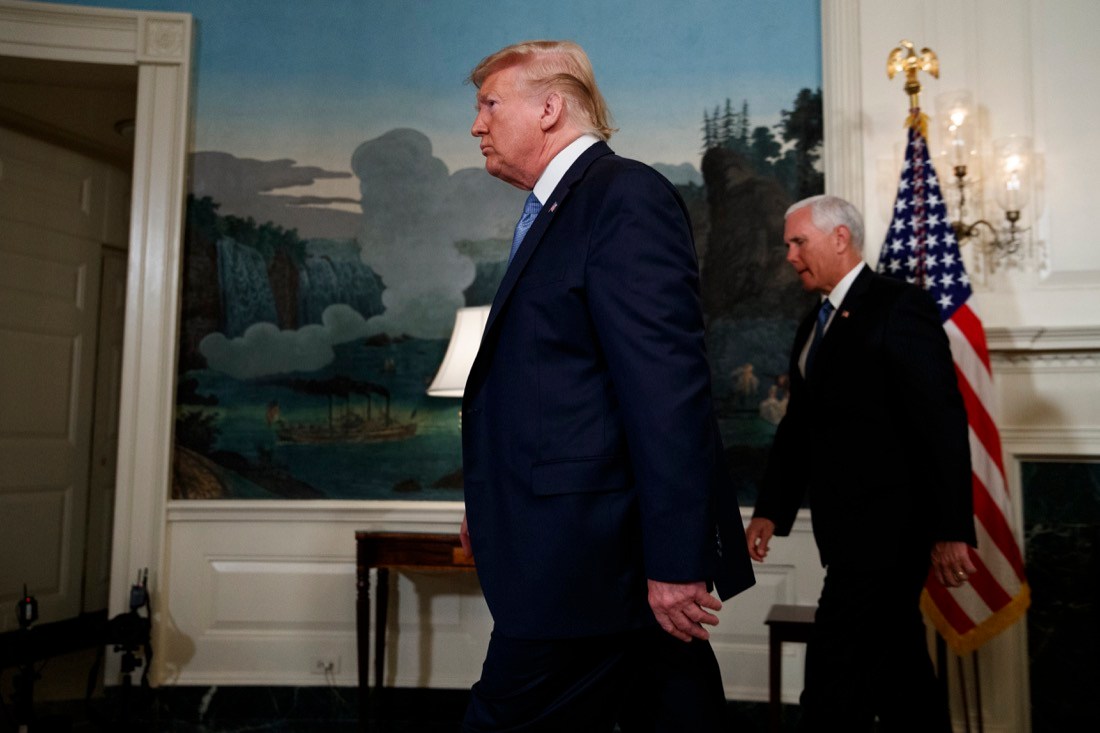
WASHINGTON (AP) – Following two mass shootings over the weekend, President Donald Trump called on federal authorities Monday to do a better job identifying violent extremists in the U.S. But that won’t be easy.
Federal investigators looking to prevent acts of domestic terrorism, like the massacre of 22 people at a crowded shopping center in El Paso on Saturday, have fewer tools and legal powers at their disposal than they would if they were up against someone tied to an international organization such as the Islamic State or al-Qaida.
That challenge has revived questions about whether the FBI, which transformed itself after the Sept. 11 attacks to combat international terrorism and acquired broad new surveillance powers, is adequately positioned to confront a white nationalist threat responsible for some of the deadliest acts of violence in the last few years.
“I can go online and say whatever I want, but that doesn’t mean it’s sufficient for the FBI to open an investigation,” said David Gomez, a former FBI counterterrorism supervisor. “You need to combine the free speech with an overt act, and that overt act has to be something criminal in nature.”
The laws, as they exist, “are not designed around the FBI being able to prevent these actions,” Gomez said. “The laws are designed to respond to crimes already committed and then investigate them.”