
Thursday, November 12, 2026Nov 12

Kerry, top Democratic senator spar on Iran deal, sanctions

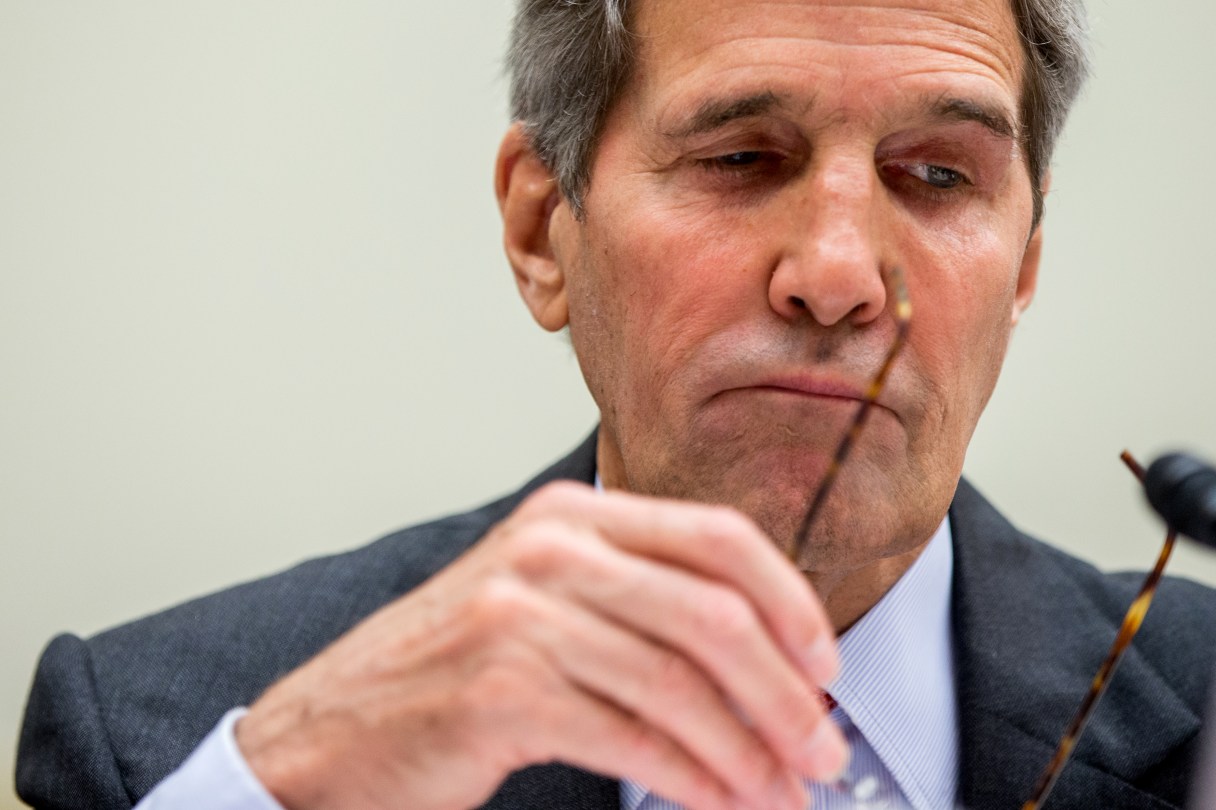
FILE - In this July 28, 2015 file photo, Secretary of State John Kerry pauses while testifying on Capitol Hill in Washington before the House Foreign Affairs Committee hearing on the Iran Nuclear Agreement.   Kerry says if Congress rejects the Iran nuclear deal, the U.S. won't be able to prevent allies from doing business with Tehran.  (AP Photo/Andrew Harnik)
FILE - In this July 28, 2015 file photo, Secretary of State John Kerry pauses while testifying on Capitol Hill in Washington before the House Foreign Affairs Committee hearing on the Iran Nuclear Agreement. Kerry says if Congress rejects the Iran nuclear deal, the U.S. won't be able to prevent allies from doing business with Tehran. (AP Photo/Andrew Harnik) FILE - In this July 28, 2015 file photo, Secretary of State John Kerry pauses while testifying on Capitol Hill in Washington before the House Foreign Affairs Committee hearing on the Iran Nuclear Agreement. Kerry says if Congress rejects the Iran nuclear deal, the U.S. won't be able to prevent allies from doing business with Tehran. (AP Photo/Andrew Harnik)

WASHINGTON (AP) – Secretary of State John Kerry sparred Tuesday with the lone Democratic senator to publicly oppose last month’s historic Iran nuclear deal, saying there was no way the U.S. could prevent American allies from doing business with Tehran if Congress were to reject the agreement.

Speaking across town in New York, Sen. Chuck Schumer disagreed and suggested Washington still could force the world into isolating the Iranians until they make deeper nuclear concessions.

The dispute goes to the heart of the questions that American lawmakers are considering as they prepare to vote on the nuclear accord.

If they were to shelve the deal – and override an expected presidential veto – they could severely complicate the Obama administration’s ability to honor its commitments to roll back economic sanctions on Iran. In exchange, Iran has agreed to a decade of tough restrictions on Iran’s nuclear program and a far more intrusive inspections regime.

Republicans are almost universally opposed at this point.