
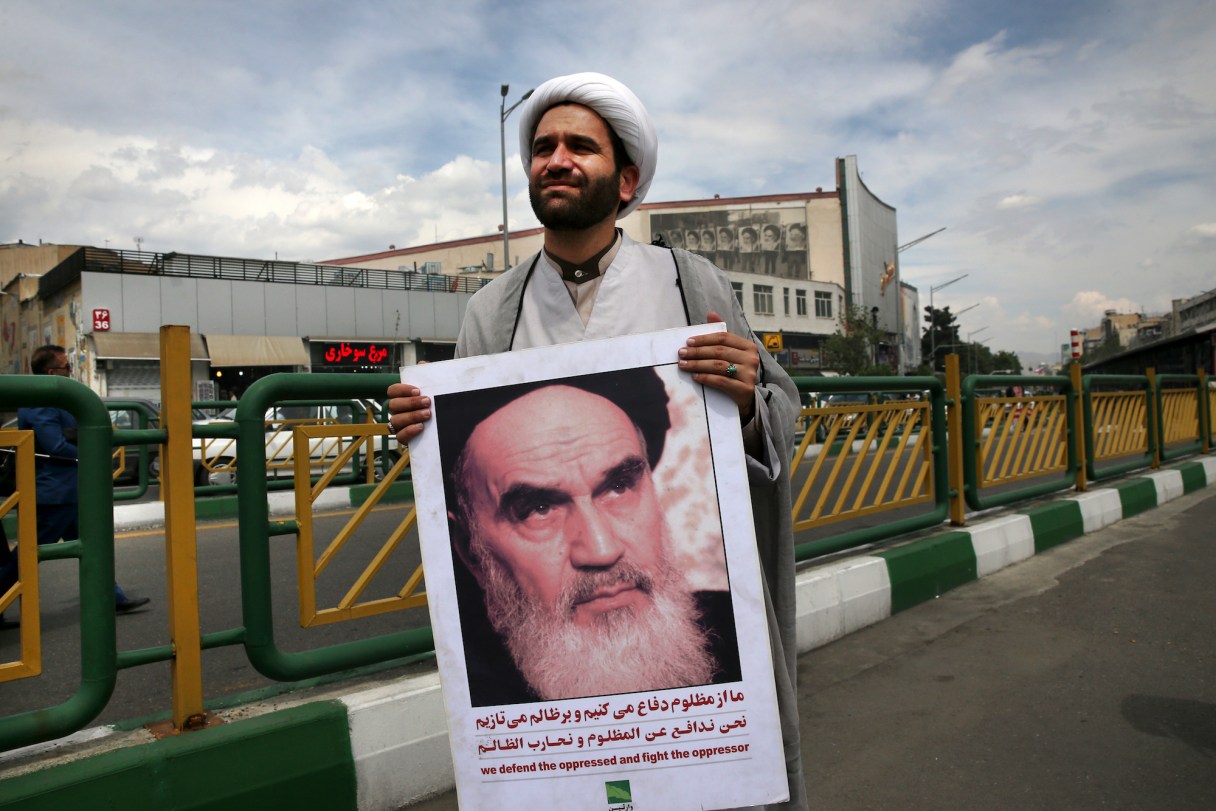
WASHINGTON – So what’s next with Iran? Even if you think President Trump has made a big mistake in withdrawing from the nuclear agreement, as I do, that’s not the end of the story. Where does this bumpy road lead in the future?
What’s distressing about the Iran question is that nobody in this administration seems to have a good answer. Trump’s move was a chest-thumping political decision, not a clearly articulated strategy.
 David Ignatius
As unwise as Trump’s action was, it was probably inevitable, given his overblown rhetoric about “the worst deal ever made.” This lie was repeated so often that it became part of the political landscape.
The path ahead begins with the need for a clear policy toward the future of Iran – and not the vague notion of regime change that’s bandied about. Whatever Trump may fantasize, intelligence professionals say this is not a pre-revolutionary moment in Iran. The economy is weak, but it’s not crumbling; the population is restless, but not marching in the streets; the regime has fissures, but the military and security services appear solid.
Good policy toward Iran should begin with a realistic assessment of the country. I’ve visited Tehran twice, and each time was struck by two things: Iran is a modern and sophisticated society, rich with promise; and its people dislike the reactionary clerics who run the country’s political system. It’s a nation yearning to be normal, and for its revolutionary nightmare to end.