
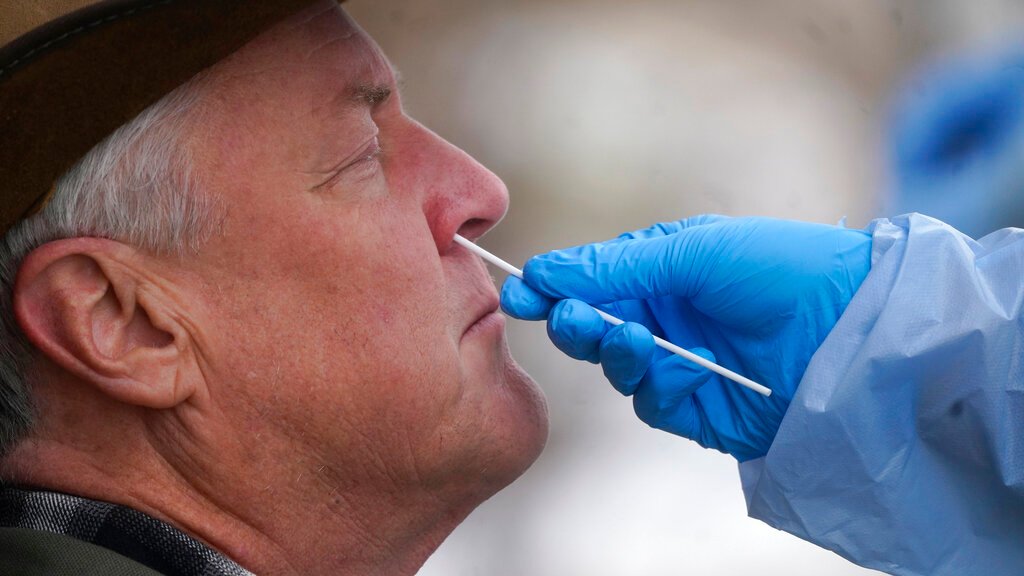
NEW YORK (AP) – The Centers for Disease Control and Prevention on Tuesday explained the scientific rationale for shortening its COVID-19 isolation and quarantine recommendations, and clarified that the guidance applies to kids as well as adults.
The CDC also maintained that, for people who catch COVID-19, testing is not required to emerge from five days of isolation – despite hints from other federal officials that the agency was reconsidering that.
The agency announced the changes last week, halving the isolation time for Americans who catch the coronavirus and have no symptoms or only brief illnesses. Isolation should only end if a person has been fever-free for at least 24 hours without the use of fever-reducing medications and if other symptoms are resolving, the CDC added.
It similarly shortened the time that close contacts need to quarantine, from 10 days to five.
CDC officials previously said the changes were in keeping with evidence that people with the coronavirus are most infectious in the two days before and three days after symptoms develop.