
Thursday, October 29, 2026Oct 29

This story is free to read.

Groups seek protection of yellow cedar trees

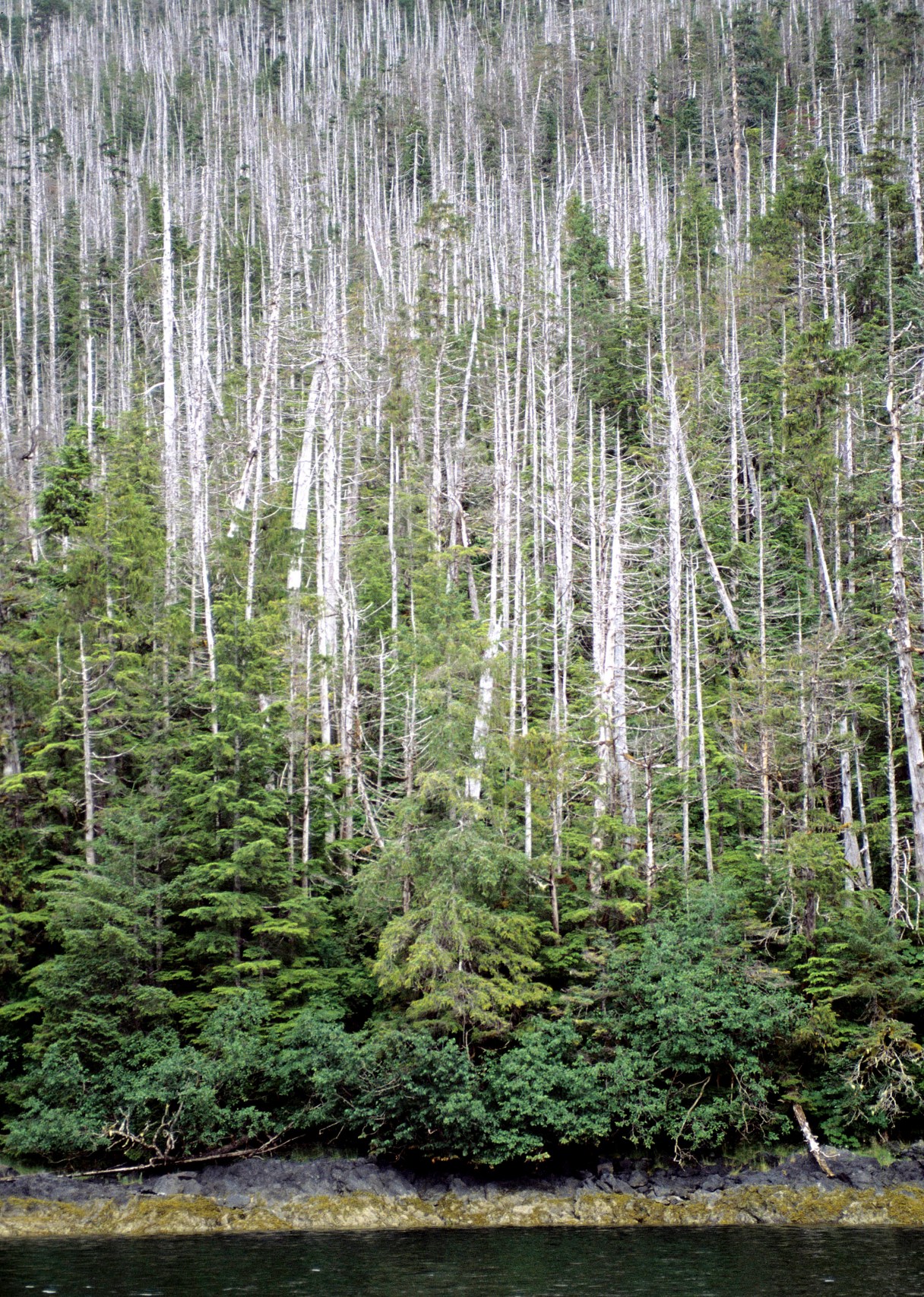
FILE--A 2005 file  photo provided by the US Forest Service is of  yellow cedar trees in a wilderness area north of Sitka, Alaska. Four conservation groups petitioned Tuesday, June 24, 2014, to list the iconic Alaska tree as threatened or endangered because of climate change. Yellow cedar is found from southeast Alaska to Northern California. (AP handout Photo/ Paul Hennon)
FILE--A 2005 file photo provided by the US Forest Service is of yellow cedar trees in a wilderness area north of Sitka, Alaska. Four conservation groups petitioned Tuesday, June 24, 2014, to list the iconic Alaska tree as threatened or endangered because of climate change. Yellow cedar is found from southeast Alaska to Northern California. (AP handout Photo/ Paul Hennon) FILE--A 2005 file photo provided by the US Forest Service is of yellow cedar trees in a wilderness area north of Sitka, Alaska. Four conservation groups petitioned Tuesday, June 24, 2014, to list the iconic Alaska tree as threatened or endangered because of climate change. Yellow cedar is found from southeast Alaska to Northern California. (AP handout Photo/ Paul Hennon)

ANCHORAGE, Alaska (AP) – Four conservation groups have petitioned the Interior Department to list an iconic Alaska tree as threatened or endangered because of climate change.

Yellow cedar for centuries has been carved by Tlingit, Haida and Tsimshian people for canoe paddles and totem poles. They could remove a lengthwise strip of bark from a living tree to use for weaving baskets and hats, and as backing in blankets because the trees can compartmentalize the damage and heal themselves.

Yellow cedar can resist insects and rot and live more than 1,000 years but their shallow roots are vulnerable to freezing. Climate warming over the last century has been deadly.

In a paper published in 2012, U.S. Forest Service researchers concluded that climate warming has meant less snow, and less insulation for the ground. Elevated mortality began around 1880-1890 and peaked in the 1970s and 1980s, according to the study.

Across 781 square miles of Alaska’s Panhandle, more than 70 percent of yellow cedar trees have died because of root freeze induced by climate change, according to the petition.