
All the reporting these days is about rising prices. And I get that: A 7% surge in the consumer price index over the past year comes as a shock.
But there’s another story that should be getting more attention: America’s extraordinary success in limiting the damage from a horrifying pandemic. In fact, there’s a good chance that in retrospect we’ll view economic management over the past two years as a policy triumph, despite the inflation spike.
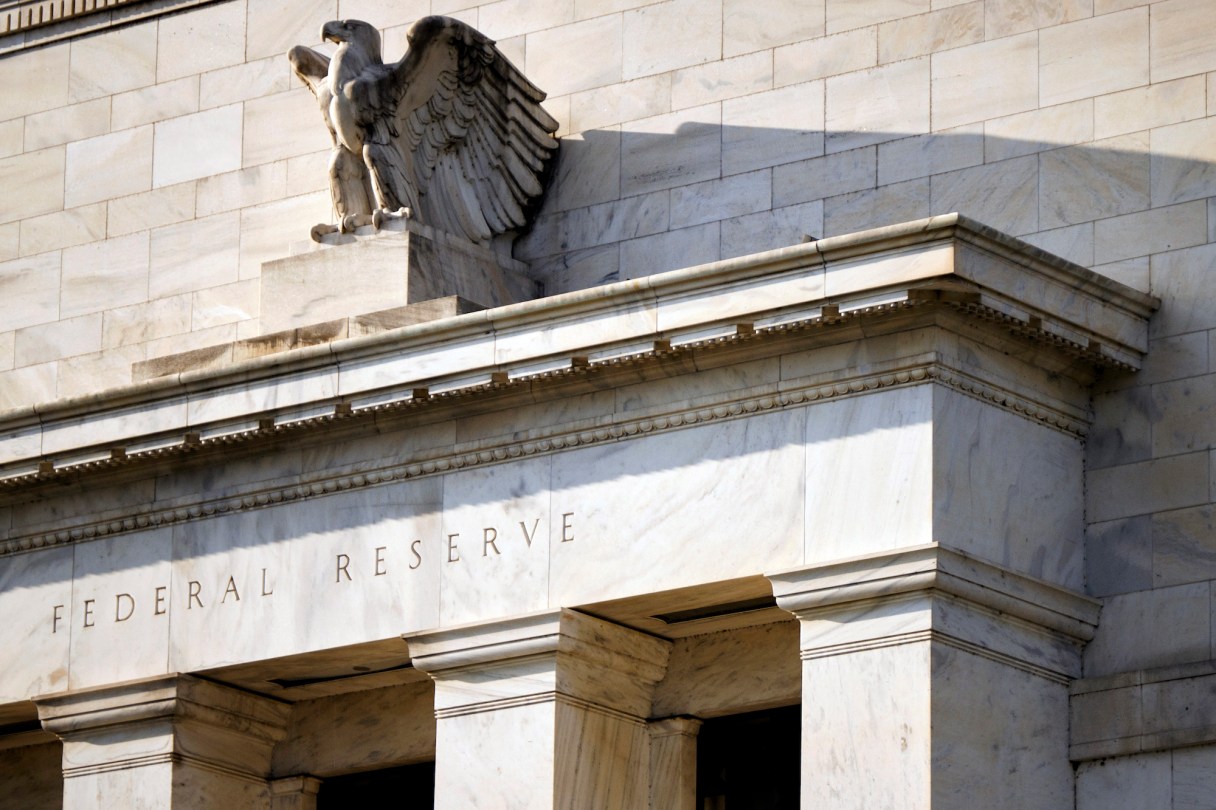
Early in the pandemic many observers feared that we were about to experience a replay of the 2008 financial crisis, only worse. There were, in fact, a couple of weeks in March 2020 when the financial system teetered on the edge of collapse. But the Federal Reserve pulled us back from the brink.
Even as the financial crisis receded, however, there were widespread fears that recovery from the pandemic recession, like recovery from the Great Recession, would be sluggish. Economic forecasters surveyed in the spring of 2020 expected the average unemployment rate in 2022 to be above 6%. In fact, it’s already down to 3.9%, only slightly higher than before the coronavirus struck.
Jason Furman, a former top Obama economist, has suggested a useful way to compare recessions: Look at the cumulative unemployment they produce. If the unemployment rate exceeds its pre-recession level by 1 percentage point for one year, that’s a “point-year” of excess unemployment. So how many point-years of unemployment did the pandemic inflict, and how does that compare with the past?