
Thursday, October 29, 2026Oct 29

This story is free to read.

Q&A: Internet extremism and how to combat it

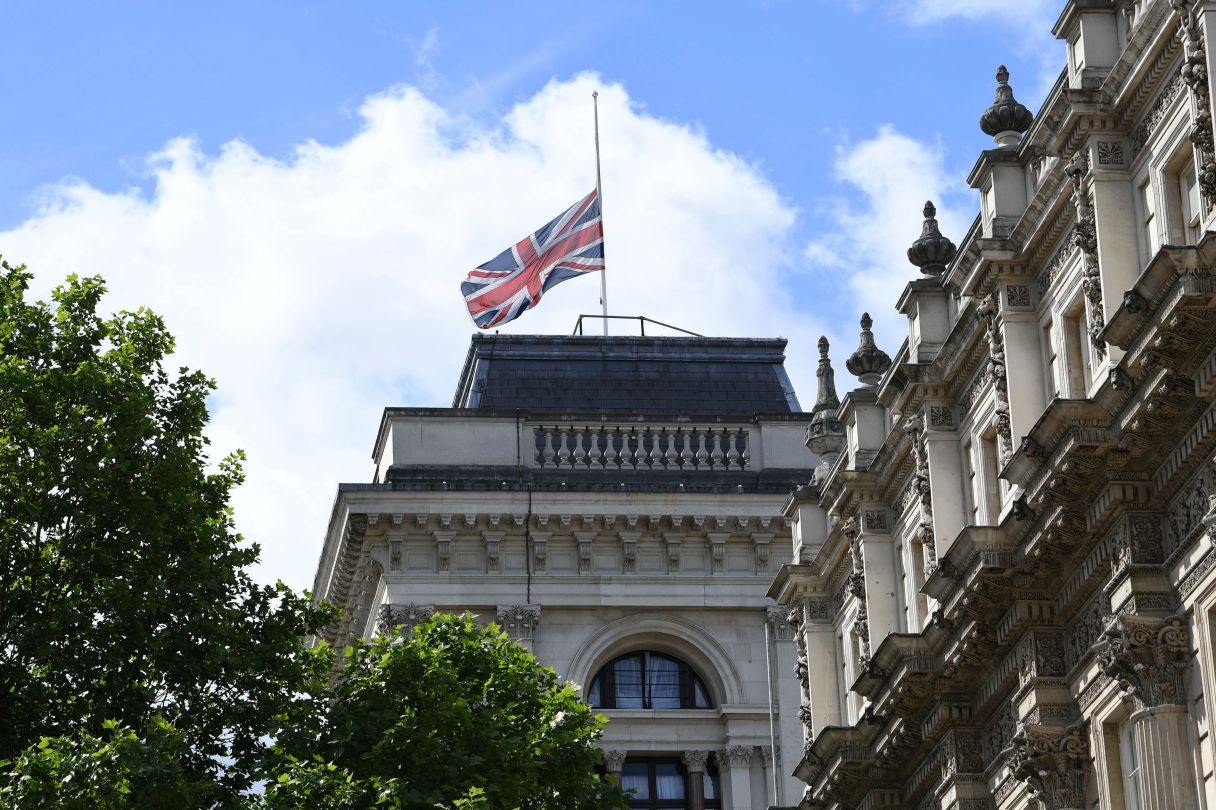
The Union flag flies at half mast in Whitehall, central London, Sunday June 4, 2017, after Saturday night's terrorist incident on London Bridge and at Borough Market. Several people were killed in the terror attack at the heart of London and dozens injured. Prime Minister Theresa May convened an emergency security cabinet session Sunday to deal with the crisis. (Stefan Rousseau/PA via AP)
The Union flag flies at half mast in Whitehall, central London, Sunday June 4, 2017, after Saturday night's terrorist incident on London Bridge and at Borough Market. Several people were killed in the terror attack at the heart of London and dozens injured. Prime Minister Theresa May convened an emergency security cabinet session Sunday to deal with the crisis. (Stefan Rousseau/PA via AP) The Union flag flies at half mast in Whitehall, central London, Sunday June 4, 2017, after Saturday night's terrorist incident on London Bridge and at Borough Market. Several people were killed in the terror attack at the heart of London and dozens injured. Prime Minister Theresa May convened an emergency security cabinet session Sunday to deal with the crisis. (Stefan Rousseau/PA via AP)

DETROIT (AP) – In the wake of Britain’s third major attack in three months, Prime Minister Theresa May called on internet companies to do more to block extremist groups who use the web to recruit members and send coded messages.

Here’s a look at terrorism on the web, what’s being done to stop it and what could come next.

Q. What are technology companies doing to make sure extremist videos and other terrorist content doesn’t spread across the internet?

A. Internet companies use technology plus teams of human reviewers to flag and remove posts from people who engage in terrorist activity or express support for terrorism. Google, for example, says it employs thousands of people to fight abuse on its platforms.

Facebook, Microsoft, Twitter and YouTube late last year teamed up to create a shared industry database of unique digital fingerprints for images and videos that are produced by or support terrorist organizations. Those fingerprints help the companies more quickly identify and remove terrorist content on the web. After the terror attack on Westminster Bridge in London in March, Google and other tech companies also agreed to form a joint group to accelerate anti-terrorism efforts.