
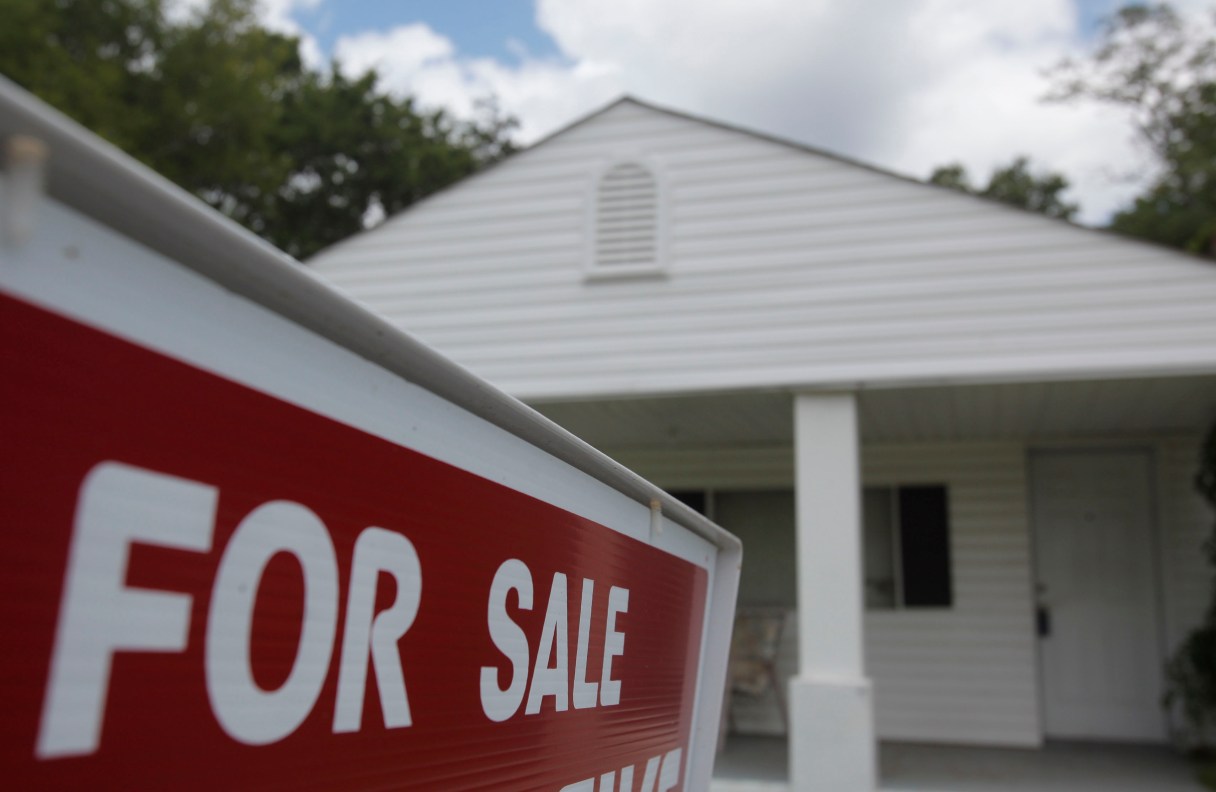
Tennessee home sales slip, but prices increase
Tennessee home sales were down 1.2 percent in the first quarter of 2018 compared with a year ago, but median home prices still jumped by 10.5 percent to a record high $216,550, the Tennessee Realtors said Tuesday.
In the first three months of the year, Realtors across Tennessee sold 16,624 single-family homes, or 209 fewer than in the same period in 2017. Condominium sales in Tennessee fell by 6.6 percent in the first quarter to 1,429, but condo prices also increased by 5.7 percent to a median price of $185,000.
Tennessee Chamber touts manufacturing
The Tennessee Chamber of Commerce and Industry is traveling across the state with 13 meetings to highlight to industry and community leaders the important role of manufacturing in Tennessee’s economic growth.
The Tennessee Chamber’s TMA Statewide Manufacturing Tour will be in Chattanooga next Thursday, April 19, for a 7:30 a.m reception at Chattanooga State Community College, Building OMN 124.
“Manufacturing powers Tennessee’s economy, and we are proud to tout the strong economic impact manufacturing has on our economy, producing over $53 billion every year in GSP (gross state product) with 5,000-plus manufacturing facilities employing more than 350,000 workers,” Tennessee Chamber President Bradley Jackson said.
Fed to streamline bank stress tests
The Federal Reserve on Tuesday proposed streamlining the annual stress tests it conducts to see if the nation’s largest financial firms can survive a severe recession.
Randal Quarles, selected by President Donald Trump to be the Fed’s vice chairman for financial supervision, said the changes were being put forward in an effort to ensure the central bank’s regulatory measures are as “simple and transparent” as possible.
The proposal would cut the number of capital-related requirements large banks must meet from the current 24 to 14. The Fed will consider putting it into effect after a 60-day comment period ends.
The proposal is the first major rules change for big banks that the Fed has considered since Trump took office vowing to eliminate regulations seen as burdensome.
The proposed rules change is “a good example of how our work can be done more efficiently and effectively, and in a way that bolsters the resiliency of the financial system,” Quarles said in a statement.
Germans may force diesel car upgrade
The German government is considering forcing automakers to upgrade diesel vehicles that fail to meet emissions standards.
Some in Chancellor Angela Merkel’s new Cabinet have resisted imposing costly measures on Germany’s powerful auto industry, but a recent court ruling allowing cities to impose bans on heavily polluting diesel cars is forcing the government to act.
German car manufacturers have been embroiled in the scandal over excessive emissions from diesel cars.
Germany’s transport minister Tuesday announced the first of four subsidy programs for electric vehicles and charging infrastructure.
Andreas Scheuer said the government will spend $27 million to support e-car purchases by companies including Deutsche Post AG.
China files complaint over U.S. steel tariffs
China has filed a World Trade Organization complaint challenging U.S. President Donald Trump’s tariff hike on imported steel and aluminum, the trade body said Tuesday.
The tariff spat is one element of a wide-ranging trade dispute between Trump and Chinese President Xi Jinping’s government. Trump also has threatened to increase duties on $50 billion of Chinese goods in a separate conflict over technology policy.
China has requested 60 days of consultations with the United States on the steel and aluminum dispute, according to the WTO. If that fails, the next step could be for Beijing to request a ruling from a panel of trade experts.
Beijing says Trump’s decision to impose additional duties of 25 percent on steel and 10 percent aluminum violate international trade rules.
Steel and aluminum are among Chinese industries in which supply exceeds demand. China’s trading partners complain its mills are exporting their surplus at improperly low prices, threatening jobs in the United States and Europe.
The United States buys little Chinese steel and aluminum following earlier tariff hikes meant to offset what Washington says are improper subsidies to producers. But economists said Beijing responded in order to show it would defend itself.
China’s government issued a $3 billion list of U.S. goods including pork, apples and steel pipes on March 23 that it said might be targeted for retaliation if Trump fails to negotiate a settlement to the dispute over steel and aluminum charges.