
Thursday, November 12, 2026Nov 12

AP explains: Not all cyber threats equally worrisome

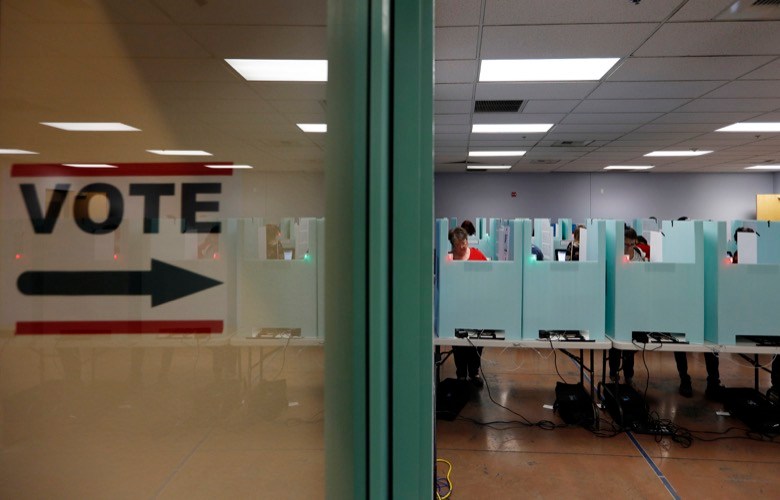
In this Nov. 6, 2018, file photo, people vote at a polling place in Las Vegas. State election officials in at least two dozen states, including Nevada, have seen suspicious cyber activity in the first half of January 2020, although it's unclear who was behind the efforts and no major problems were reported. (AP Photo/John Locher, File)
In this Nov. 6, 2018, file photo, people vote at a polling place in Las Vegas. State election officials in at least two dozen states, including Nevada, have seen suspicious cyber activity in the first half of January 2020, although it's unclear who was behind the efforts and no major problems were reported. (AP Photo/John Locher, File) In this Nov. 6, 2018, file photo, people vote at a polling place in Las Vegas. State election officials in at least two dozen states, including Nevada, have seen suspicious cyber activity in the first half of January 2020, although it's unclear who was behind the efforts and no major problems were reported. (AP Photo/John Locher, File)

WASHINGTON (AP) – West Virginia reported unusual cyber activity targeting its election systems. The Texas governor said the state was encountering attempted “attacks” at the rate of “10,000 times a minute” from Iran. Information technology staff in Las Vegas responded to an intrusion, though the city says no data was stolen.

All told, state election officials in at least two dozen states saw suspicious cyber activity last week, although it’s unclear who was behind the efforts and no major problems were reported.

Long before a targeted U.S. strike killed a top Iranian general, there were already concerns about foreign efforts to hack American institutions and its elections. The conflict with Iran has only exacerbated those fears.

Yet as the recent spate of reports makes clear, not all suspicious cyber activities are equally troublesome, the work of a foreign government or a precursor to the type of Russian interference seen in the 2016 election on behalf of President Donald Trump.

A look at what kinds of cyber activities are worrisome – and what are not: