
You’re likely sitting at home. Just like millions of others. Not to be confused with laziness, you are selflessly fulfilling your duty to country, family and neighbor alike by social distancing.
As a physician on the front lines, I thank you for this act of caring. But if my news feed is any barometer, I also suspect that boredom is setting in. Likewise based on my inbox, many of you are longing for another way to help fight this epidemic. Again, I thank you, and I am here to tell you about a second boring, but important, way you can help. Now is the time to write your advance directive if you don’t already have one.
In my first rotation of medical school, a wise family doctor taught me an important axiom: “the least effective medicine is the one the patient does not take.”
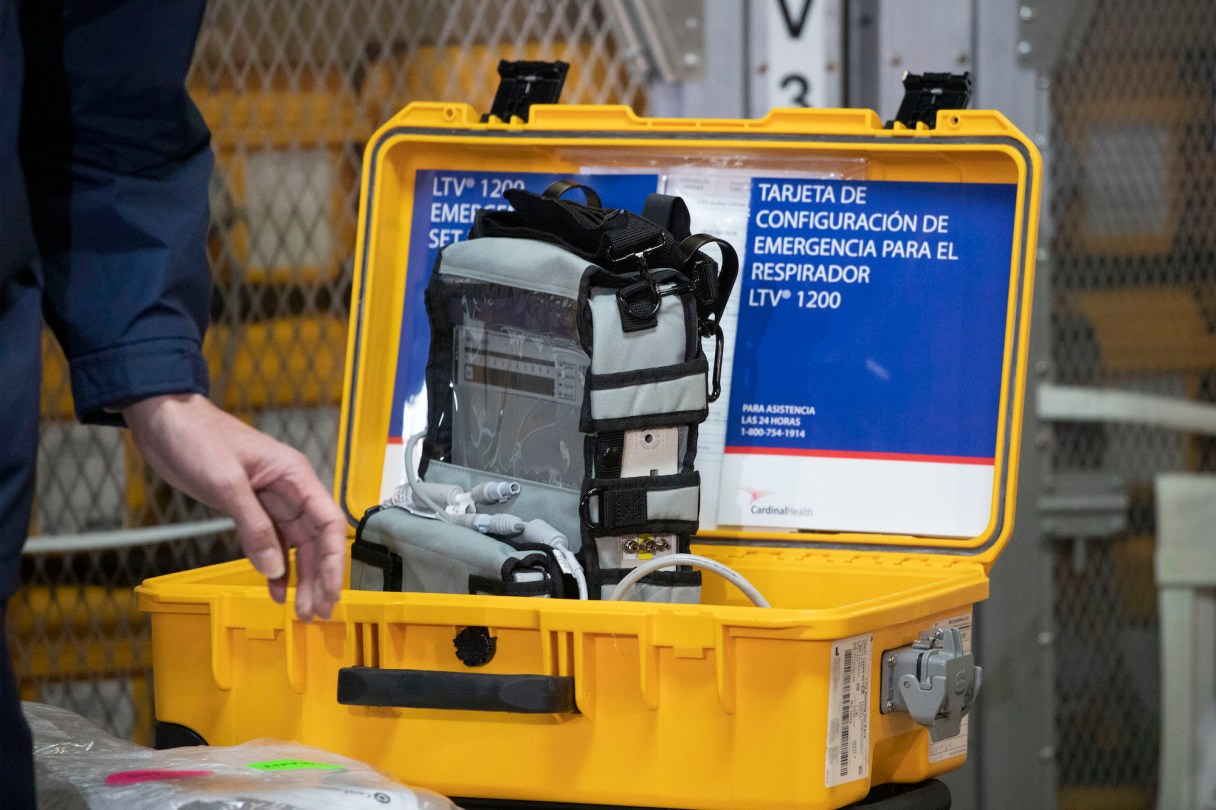
Now a resident caring for patients infected with COVID-19, I can foresee a close cousin to that adage I learned back during my first days of medical school about to be born: “the worst allocation of a ventilator is to a patient who wishes not to be ventilated.”
This may seem like a situation that would never occur. And it shouldn’t. But the trouble is, these decisions, by definition, happen when you are critically ill; therefore, at the moment they arise you are generally not fit to make them. This inherent difficulty has been only amplified amid this epidemic. We have found that the respiratory status of patients with COVID-19 can deteriorate rapidly, reducing the time we have to discuss and decide with our patients.