
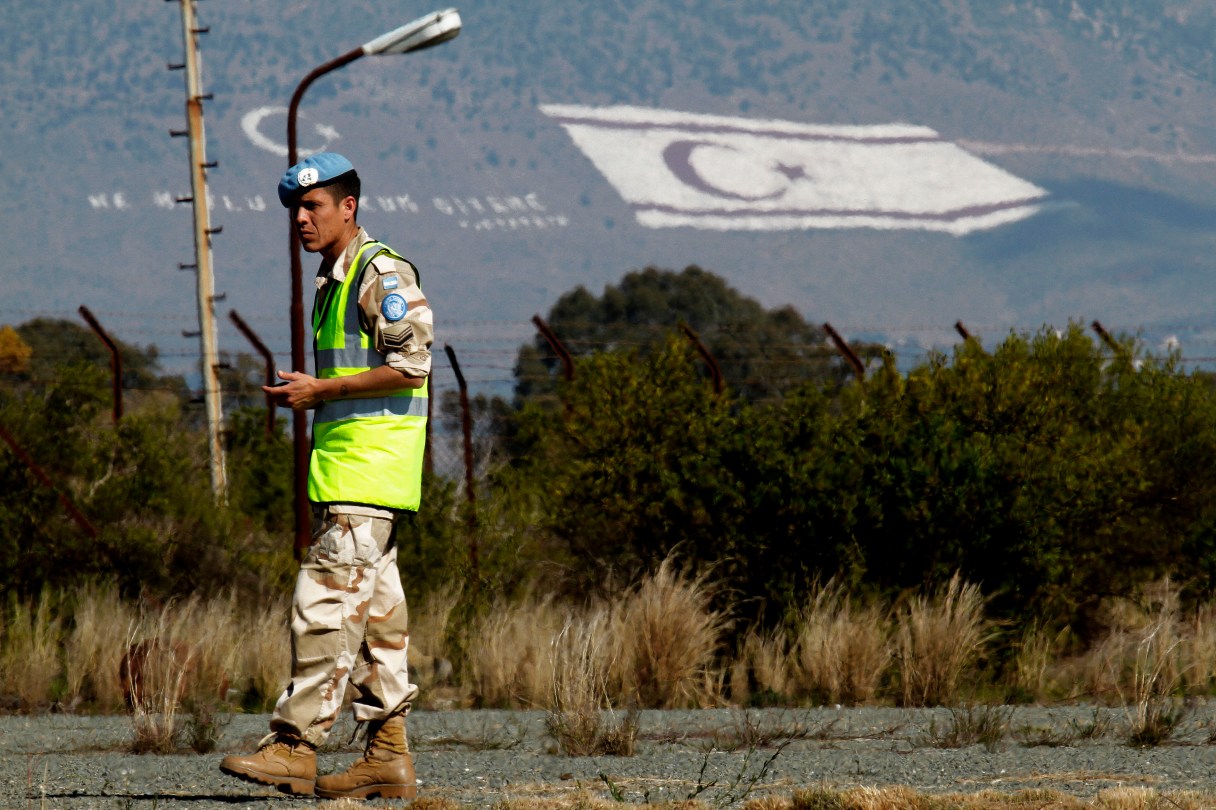
UNITED NATIONS (AP) – Along a quiet cease-fire line in Cyprus, U.N. peacekeepers handle an increasingly old-fashioned job: actually keeping the peace. The last deadly incident was in 1996. Today’s challenges include keeping poachers and rogue farmers out of no man’s land. “Most of the time we don’t wear weapons,” said the force commander, Maj. Gen. Kristin Lund.
In some places, trendy bars and cafes touch the walls of the buffer zone. “Club Med,” some peacekeepers call their posting. They know the job has become far more dangerous almost everywhere else the U.N. has forces – notably Mali, where al-Qaida-linked fighters have claimed responsibility for deadly attacks.
Suicide bombings, improvised explosive devices and combatants with little regard for the rules of war are making the work of nearly 125,000 U.N. peacekeepers look more and more like counterterrorism operations.
Some U.N. member states balk at sending their troops into such conditions to protect civilians. Others ask how heavily armored U.N. troops can promote peace. And new allegations of sexual abuses by U.N. peacekeepers expose deep gaps in training and accountability.
President Barack Obama takes on these issues next Monday when he chairs a U.N. meeting aimed at persuading European and other countries to send money, people and high-tech tools to peacekeeping missions in some of the world’s volatile places, from South Sudan to the Golan Heights on the Syria-Israel border.