
Tuesday, November 10, 2026Nov 10

Next-generation GMOs: Pink pineapples and purple tomatoes

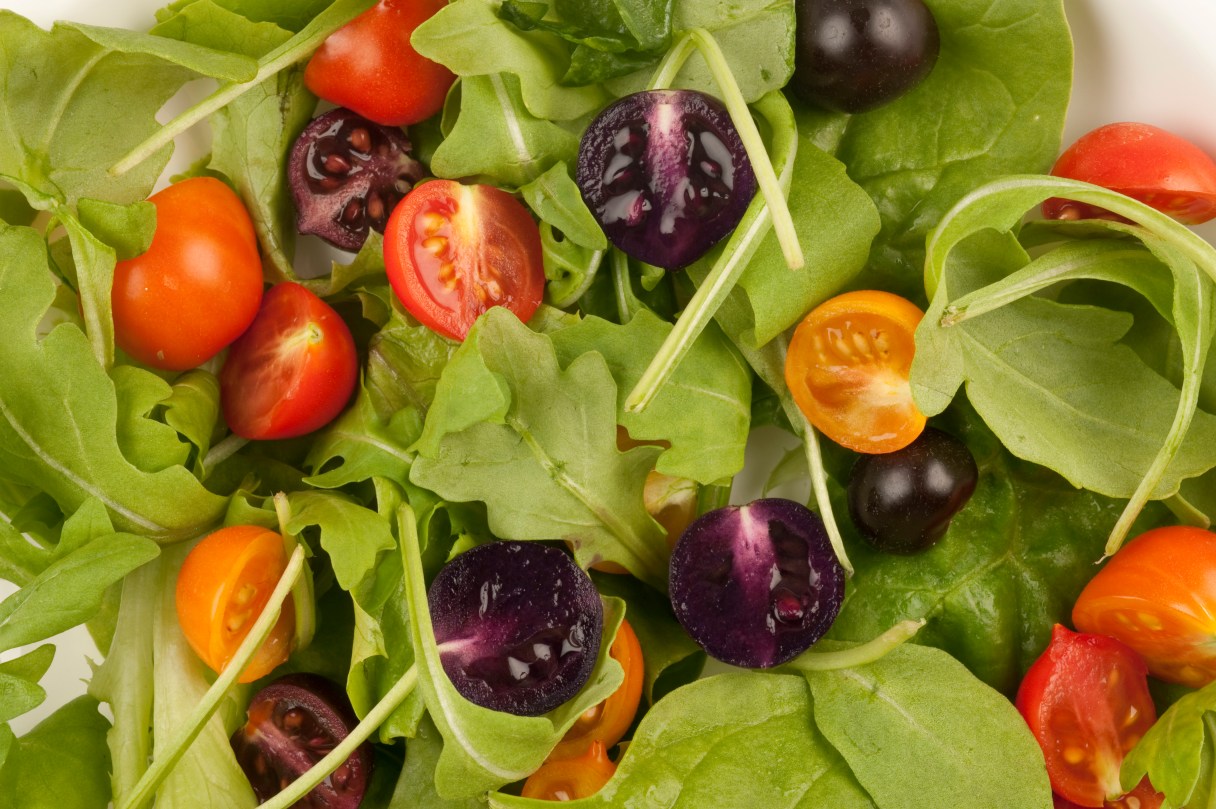
This image provided by The John Innes Centre, UK, shows a salad made with red and purple tomatoes. A small British company is planning to apply for U.S. permission to produce and sell purple tomatoes that have high levels of anthocyanins, compounds found in blueberries that some studies show lower the risk of cardiovascular disease and cancer. The Food and Drug Administration would have to approve any health claims used to sell the products. Cancer-fighting pink pineapples, heart-healthy purple tomatoes and less fatty vegetable oils may someday be on grocery shelves alongside more traditional products. (AP Photo/Andrew Davis, The John Innes Centre, UK)
This image provided by The John Innes Centre, UK, shows a salad made with red and purple tomatoes. A small British company is planning to apply for U.S. permission to produce and sell purple tomatoes that have high levels of anthocyanins, compounds found in blueberries that some studies show lower the risk of cardiovascular disease and cancer. The Food and Drug Administration would have to approve any health claims used to sell the products. Cancer-fighting pink pineapples, heart-healthy purple tomatoes and less fatty vegetable oils may someday be on grocery shelves alongside more traditional products. (AP Photo/Andrew Davis, The John Innes Centre, UK) This image provided by The John Innes Centre, UK, shows a salad made with red and purple tomatoes. A small British company is planning to apply for U.S. permission to produce and sell purple tomatoes that have high levels of anthocyanins, compounds found in blueberries that some studies show lower the risk of cardiovascular disease and cancer. The Food and Drug Administration would have to approve any health claims used to sell the products. Cancer-fighting pink pineapples, heart-healthy purple tomatoes and less fatty vegetable oils may someday be on grocery shelves alongside more traditional products. (AP Photo/Andrew Davis, The John Innes Centre, UK)

WASHINGTON (AP) – Cancer-fighting pink pineapples, heart-healthy purple tomatoes and less fatty vegetable oils may someday be on grocery shelves alongside more traditional products.

These genetically engineered foods could receive government approval in the coming years, following the OK given recently given to apples that don’t brown and potatoes that don’t bruise.

The companies and scientists that have created these foods are hoping that customers will be attracted to the health benefits and convenience and overlook any concerns about genetic engineering.

“I think once people see more of the benefits they will become more accepting of the technology,” says Michael Firko, who oversees the Agriculture Department’s regulation of genetically modified organisms, or GMOs.

Critics aren’t so sure. They say there should be more thorough regulation of modified foods, which are grown from seeds engineered in labs, and have called for mandatory labeling of those foods. The Agriculture Department has the authority to oversee plant health of GMOs, and seeking Food and Drug Administration’s safety approval is generally voluntary.