
DALLAS (AP) – Searching for a way to honor Texas teacher Zelene Blancas after her death late last year from COVID-19, a fellow educator over 2,000 miles (3,200 kilometers) away relied on the kindness of others to get a painted, heart-shaped rock to her school.
After almost five months on the road, being transported by a handful of people, the rock arrived as school started this month at El Paso’s Dr. Sue A. Shook Elementary, where Blancas taught and was remembered by her principal as someone who “embodied kindness.”
“The legacy that she’s leaving of being kind to others, making everybody feel special, taking the time to get to know someone and letting them know you’re special,” principal Cristina Sanchez-Chavira said, “that was her.”
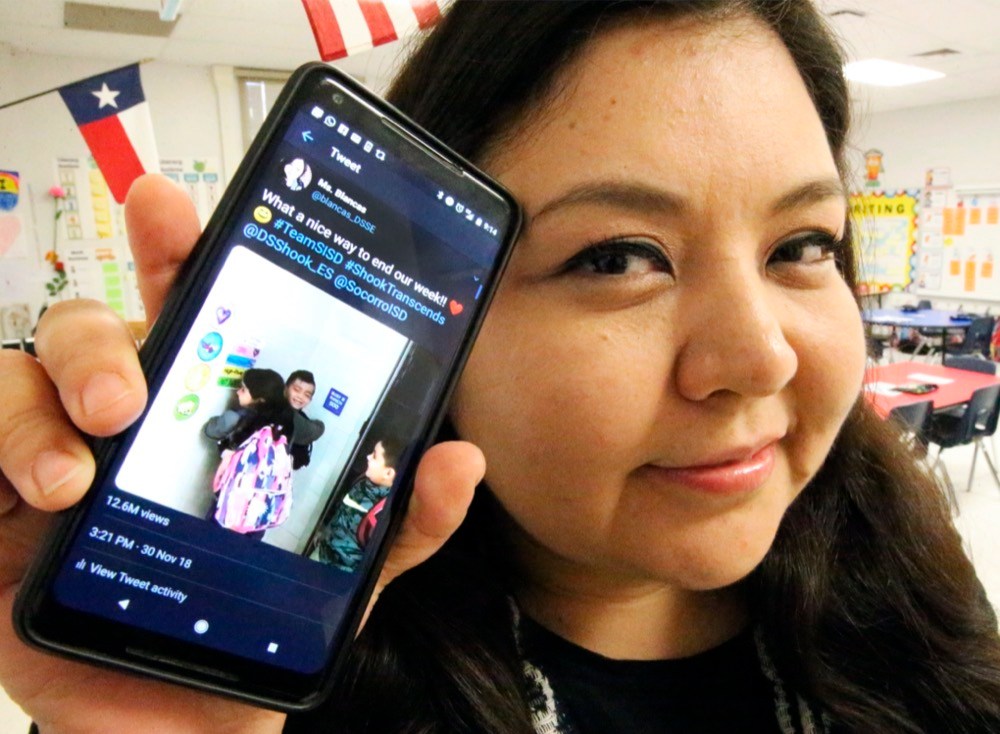
It was a fitting tribute to the 35-year-old whose video of her bilingual class of first graders in El Paso charmed Twitter users in 2018. The clip showed students hugging each other as they streamed out of the classroom – a ritual they carried out to start and end each day.
“She wanted them to know that they were loved when they arrived, there was somebody waiting for them,” Sanchez-Chavira said. “And then as they left: This is your place, we love you here.”