
Tuesday, November 10, 2026Nov 10

Can nursing homes dedicated to coronavirus patients stop spread?

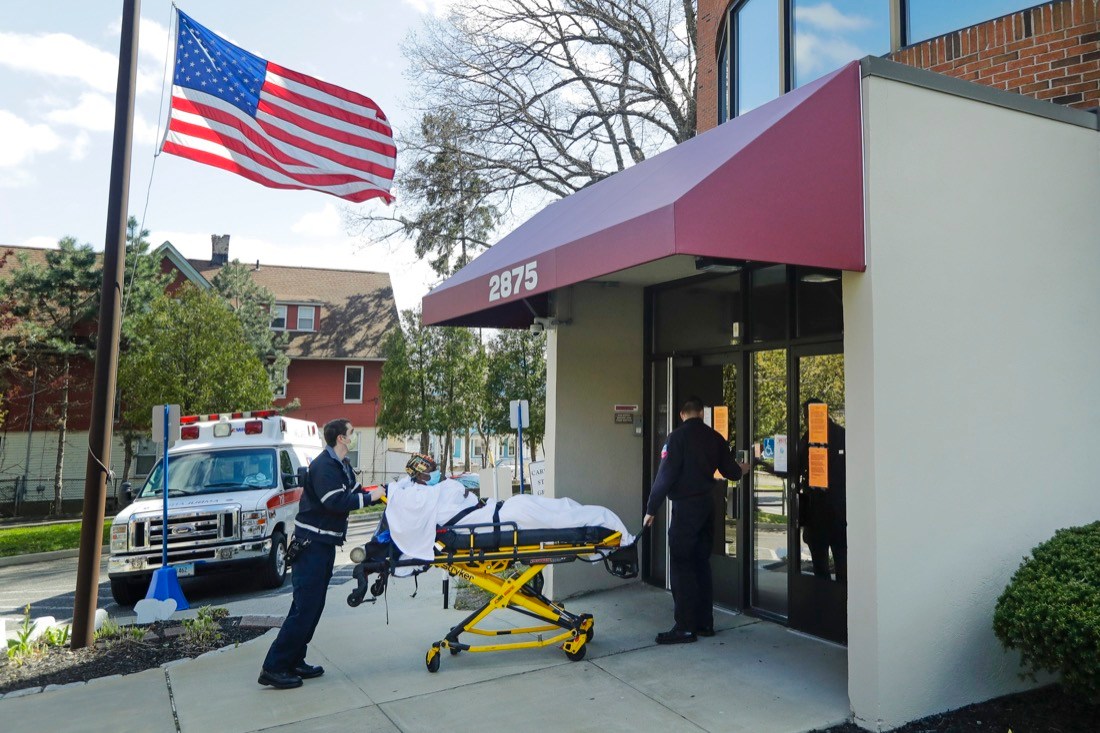
Medical workers bring a patient to the Northbridge Health Care Center Wednesday, April 22, 2020, in Bridgeport, Conn. To slow the spread of the coronavirus inside nursing homes, Connecticut has begun transferring infected residents to off-site recovery centers following their release from hospitals. The plan has sparked some fears about the effects for frail, elderly residents who might be displaced to make room in repurposed care facilities. But public health experts see potential in the effort to find a way to curb the outbreak that has ravaged elder care facilities globally. (AP Photo/Frank Franklin II)
Medical workers bring a patient to the Northbridge Health Care Center Wednesday, April 22, 2020, in Bridgeport, Conn. To slow the spread of the coronavirus inside nursing homes, Connecticut has begun transferring infected residents to off-site recovery centers following their release from hospitals. The plan has sparked some fears about the effects for frail, elderly residents who might be displaced to make room in repurposed care facilities. But public health experts see potential in the effort to find a way to curb the outbreak that has ravaged elder care facilities globally. (AP Photo/Frank Franklin II) Medical workers bring a patient to the Northbridge Health Care Center Wednesday, April 22, 2020, in Bridgeport, Conn. To slow the spread of the coronavirus inside nursing homes, Connecticut has begun transferring infected residents to off-site recovery centers following their release from hospitals. The plan has sparked some fears about the effects for frail, elderly residents who might be displaced to make room in repurposed care facilities. But public health experts see potential in the effort to find a way to curb the outbreak that has ravaged elder care facilities globally. (AP Photo/Frank Franklin II)

HARTFORD, Conn. (AP) – A few states may have found a way to help slow the spread of the coronavirus in nursing homes by converting some of them into “recovery centers” set aside mostly for residents who have left the hospital but still might be contagious or lack immunity.

Critics worry about harming frail, elderly residents by transferring them to make room in repurposed nursing homes. But some public health experts and advocates see potential in combating further infection and freeing up hospital space, and many relatives embrace the concept as a way to protect their loved ones.

Debra Ellis agonizes over whether to bring her 87-year-old wife home if a coronavirus case appears in her nursing home, which currently isn’t reporting any. Ellis lives in Meriden, Connecticut, a state where three of nine planned nursing homes set aside for recuperating COVID-19 patients opened this month.

“It’s terrible, the anxiety, you almost feel like they’re sitting ducks,” Ellis said.

While nursing homes routinely isolate residents who have an infectious illness, such as the flu, advocates see the more dramatic idea of setting aside an entire facility as necessary, given how easily and fast the coronavirus can spread.