
Nearly a year into the state’s massive case against alleged members of the Athens Park Bloods street gang, many defense attorneys say their concern is no longer about needing evidence.
It’s about having too much evidence and getting too little guidance from Chattanooga prosecutors about what exactly they plan to use in their cases against 53 men and women charged with racketeering activity and racketeering conspiracy on behalf of the gang.
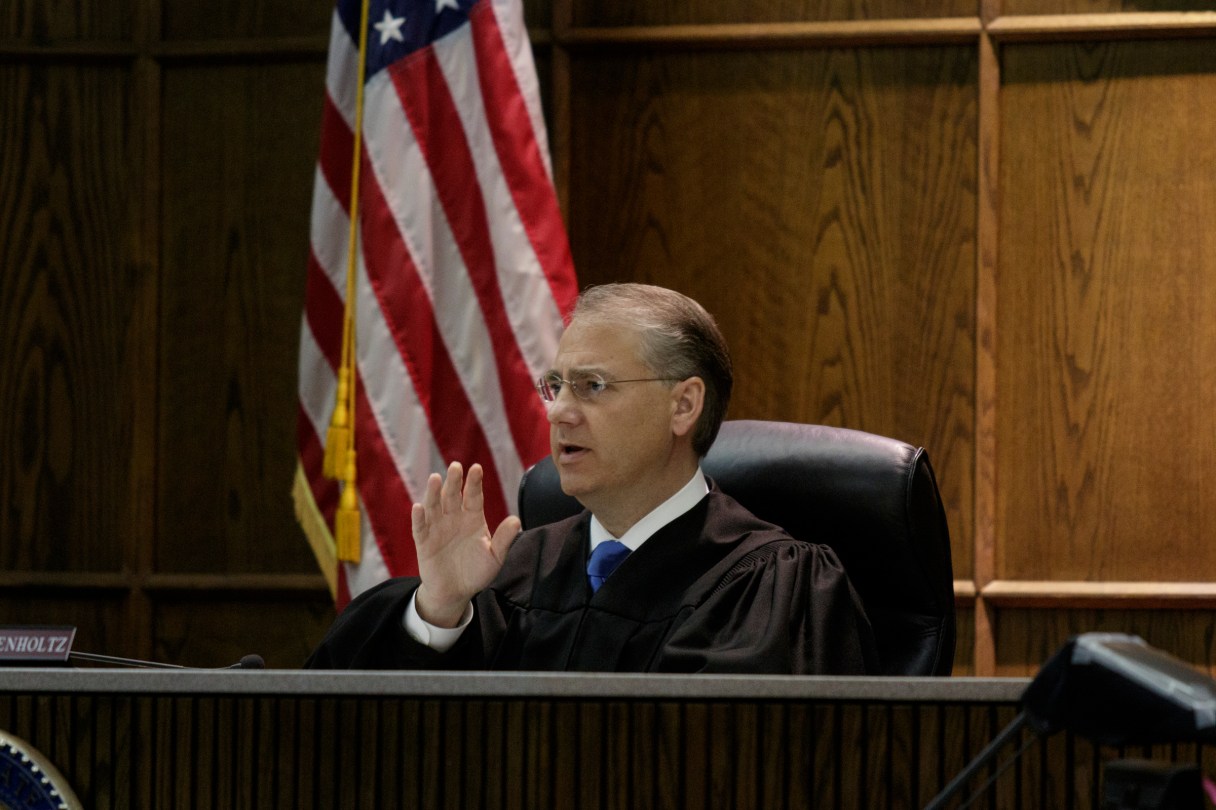
A handful of defense attorneys raised this concern Monday during a checkup hearing in Hamilton County Criminal Court before Judge Tom Greenholtz, who suggested most of them need to schedule individual meetings with prosecutors.
Some said such meetings wouldn’t be fruitful without further understanding of the specific evidence being used against their clients, though prosecutors countered they’ve been willing to meet for months, and have met with some attorneys. Some of the defense counsels who’ve since scheduled further discussions have been told they need to provide the state with specific questions beforehand.
“The state has an obligation to provide whatever they’re using,” Chattanooga attorney Steve Moore said in court. “[Rule 12D] says prosecutors cannot provide thousands of pages to the defense and leave them unguided about what they plan to use in their case in chief. I’ve probably read 100,000 pages of [evidence] at this point. But a lot of it has nothing to do with criminal activity. They’re listening to phone calls about if so and so is going to be able to make someone’s funeral, and we have no discussion about how they relate.”
During the discussion, prosecutors reminded Greenholtz this is not their only case and added they’re waiting on the majority of defense attorneys to sign a confidentiality agreement before they can hand over more sensitive information. In January, District Attorney General Neal Pinkston asked defense attorneys to promise not to leave any of the evidence with their clients unless they redact it. His request followed a pair of evidence leaks that led to death threats and safety concerns among witnesses. But defense attorneys said the agreement makes them potentially liable for work the state should be doing, and a further hearing on the issue takes place May 14 at 8 a.m.
There’s a lot at stake in this gang racketeering case, which began in late March 2018: Eight men are charged in six previously unsolved homicides, including the May 2016 slaying of state witness Bianca Horton. Andre Grier, Courtney High and Charles Shelton potentially face the death penalty if convicted of that crime, and Pinkston has said he plans to try them first out of all 53 defendants.
But what complicates the picture, defense attorneys say, is the level of involvement of the other roughly 45 defendants. At a minimum, all of them are charged with committing past crimes on the gang’s behalf. But defense attorneys say prosecutors must meet very specific requirements about those prior acts: There must be two crimes within two years of each other to show a pattern of activity. Several defense attorneys have filed motions to dismiss, arguing that prosecutors failed to do that with their clients.
A second half of the equation is conspiracy: Prosecutors say each person is partly responsible for the gang’s totality of violence over the years. Defense attorneys have fired back that several people not only didn’t commit these crimes but didn’t have knowledge of them. They say the law calls on prosecutors to show a meeting of the minds among all charged individuals, and many believe the state can’t prove that.
In the meantime, the case remains at a slight standstill. Defense attorneys have filed many motions to dismiss based on the above two issues, and it’s up to Greenholtz to rule on the matter. His decision could lead to some counts of racketeering activity being dismissed if he finds that prosecutors did not meet the specific requirements on showing past crimes.
Greenholtz announced Monday that he’s made his decision but hadn’t filed his ruling yet. He did not say when he would file.
In the meantime, one of the accused, Antwon Lee, was killed over the weekend by multiple gunshots, court records show. Until recently, he was being held in solitary confinement at Silverdale Detention Center and previously told Greenholtz that jail administrators weren’t providing him with his mental health disorder medication.
His attorney, William Sanders, said Lee was able to post bail recently after being transferred to the Hamilton County Jail.
Contact staff writer Zack Peterson at zpeterson@timesfreepress.com or 423-757-6347. Follow him on Twitter @zackpeterson918.