
Modern conservatives hate regulation, and the Trump administration has channeled that hatred into policy. It has scrapped or emasculated rules designed to limit everything from predatory lending to exploitative for-profit education, and has moved on multiple fronts to undo environmental protection. Yesterday it took perhaps its most dramatic anti-regulation step so far, announcing that it would try to prevent California from setting strict rules on auto emissions.
But what’s behind this hatred of regulation? You might think that it’s all about profits, that corporations want to be free to pollute and rip off their customers because it’s good for the bottom line. In fact, however, the striking thing about many of Donald Trump’s deregulatory moves is that major corporations actually oppose his actions.
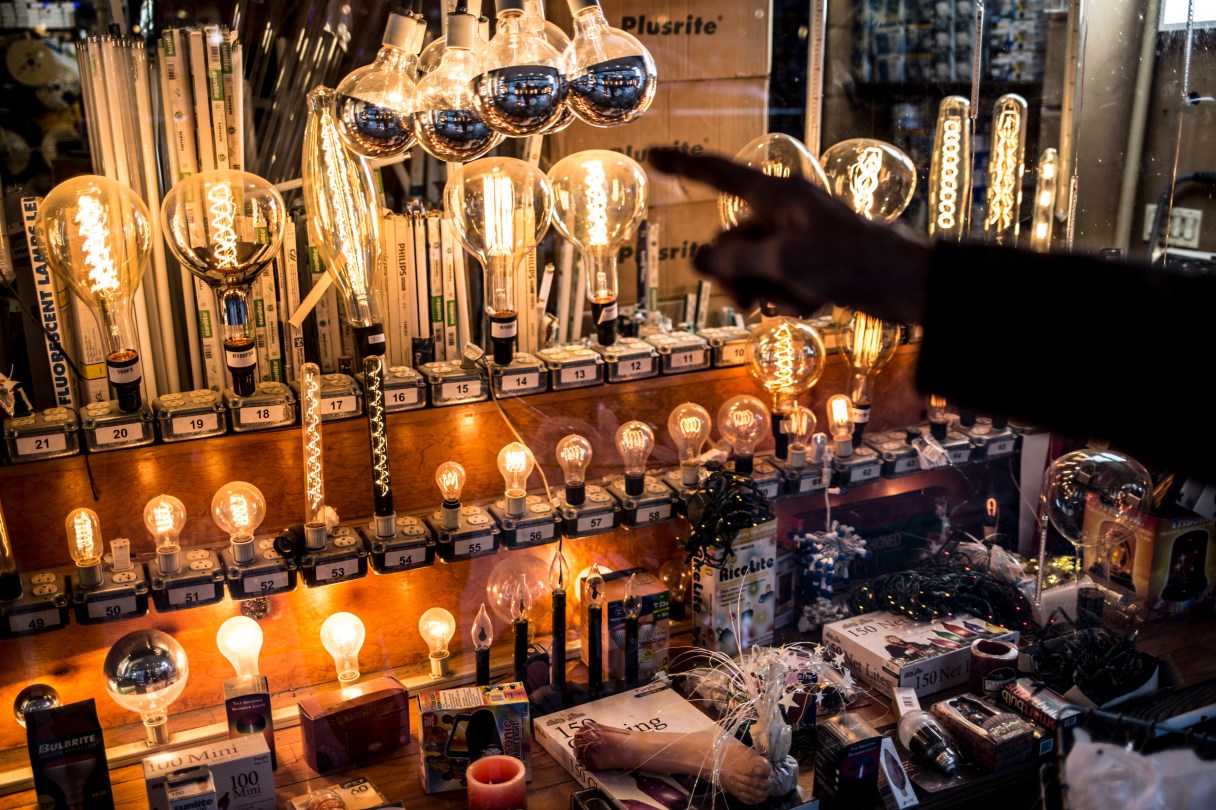
A similar story is unfolding with regard to the Trump administration’s rollback of regulations intended to ensure that light bulbs become more efficient. True, light bulb manufacturers welcomed the move. But the Alliance to Save Energy, which condemned Trump’s action, is hardly a bunch of hippie tree-huggers; its membership includes a who’s who of major corporations, from 3M to Microsoft to Dupont.
No, there’s something happening here that goes beyond big money trying to get even bigger. Trump, I’d argue, is tapping into a grassroots phenomenon – let’s call it regulation rage – that is more about psychology than about self-interest. It’s a syndrome that only afflicts a minority of the population, but it’s real, it’s ugly, and it can do a remarkable amount of damage.
Regulation rage is the startling anger evoked by government rules intended to protect the public, even when those rules aren’t especially onerous and the public interest case for the rules is overwhelming.
The phenomenon really came into focus for me a decade ago, when I read a rant by right-wing commentator Erick Erickson suggesting that government officials should face violent retribution for their actions: “At what point do the people tell the politicians to go to hell? At what point do they get off the couch, march down to their state legislator’s house, pull him outside, and beat him to a bloody pulp for being an idiot?”
What set Erickson off? Washington state’s ban on phosphates in detergents. Phosphates help cause toxic algae blooms. But Erickson was enraged because, he claimed, his dishwasher wasn’t working as well as it used to. If threatening violence over your dishwasher sounds crazy, that’s because it is, but undoing dishwasher regulations has, it turns out, become an important conservative cause.
Trump, by his own account, dislikes modern light bulbs because they make him look orange. He does look orange, but it’s probably because of his addiction to artificial tanning and excessive use of bronzer.
As I said, regulation rage seems to be more about psychology than about self-interest. It’s coming from people who, for whatever reason, don’t feel respected, and who see even mild restrictions on their actions as insults perpetrated by elites who consider themselves smarter than other people.
Such people are a distinct minority among Americans. Polling tells us an overwhelming majority of Americans, including a majority of Republicans, want to see pollution regulation strengthened, not weakened.
But regulation ragers have disproportionate influence over Republican politicians. And now we have a regulation rager sitting in the White House, determined to undo public-interest regulation even when big business wants it retained.
Pointing out that regulatory rollbacks are both bad for the economy and likely to sicken or kill many Americans won’t help. After all, anyone saying such things is, by definition, a know-it-all elitist.
New York Times News Service