

Recently, a mom and daughter went shopping for a middle school formal dress. The mom encouraged her daughter to try on a beautiful red one. The mom said her daughter looked beautiful, but the daughter didn’t really like the dress.
As they were discussing it, the sales clerk told the daughter that if she was going to wear that dress, she should wear Spanx – body shaping undergarments – underneath it.
“I told the sales lady that my daughter is perfect just how she is,” says the mother. “This is how God made her, and she looked beautiful. We were just having fun. Again, she said some not-so-nice things about her body, her body type. I told her, ‘I disagree with you. She’s perfect.'”
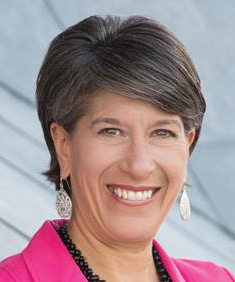
Dannah Gresh, author of “Secret Keeper Girl,” travels the world meeting and speaking with girls and their moms about body image and true beauty.
“Just like the mom above, many mothers worry about their daughters, believing they are beautiful,” says Gresh. “Based on the research I and others have done, this belief is more caught than taught. If moms believe their bodies have a good purpose and they are confident about their bodies, it is very likely their daughters will believe the same about their own bodies.”
On a recent 11-city tour, Gresh conducted focus groups with moms and daughters. She asked moms, “Is there a part of your daughter’s body you know she doesn’t like?” If the mom answered yes, Gresh asked, “Do you know the specific part of the body?” If they answered yes, she then asked, “Do you like that part of your body?” Almost 100 percent of the time, the mom said no.
“So many moms were in tears because they realized the very thing they wrestled with about their own bodies that they didn’t want to pass along to their daughter was the very thing she picked up on about her own body,” Gresh says. “None of us are perfect. We all have things we wish were different about the way we look.”
Gresh contends that the beauty image on magazine covers and in television commercials tells young girls that the value and purpose of their body is to be beautiful and sexual. Missing are the messages about the strength of their brains and bodies and to be helpful to others and the gifts and talents they have to accomplish great things.
“It is about being confident about your body and its purpose, rather than self-conscious of your body and what it is lacking,” Gresh says. “This is a huge battleground.
“A decade ago, the average age of an eating disorder patient was 15. Now the average age is 10, and some girls as young as five are having issues because society has completely unattainable and unrealistic expectations. A great example is the thigh gap. This is not even natural for an American body, yet it is applauded as a standard of beauty.”
Gresh will be in Chattanooga on Saturday, Feb. 6, for her Secret Keeper Girl event for 8- to 12-year-old girls and their moms or mother figures.
“This event is designed to bring mothers and daughters together because we know that the mother-daughter relationship is the No. 1 protective factor against everything mothers fear will happen to their daughters,” Gresh says. “In a high-energy, crazy-fun kind of way, we help mom form meaningful conversations with her daughter about beauty, modesty and purity.”
For more information about the event, visit firstthings.org.
Julie Baumgardner is president and CEO of First Things First. Contact her at julieb@firstthings.org.