
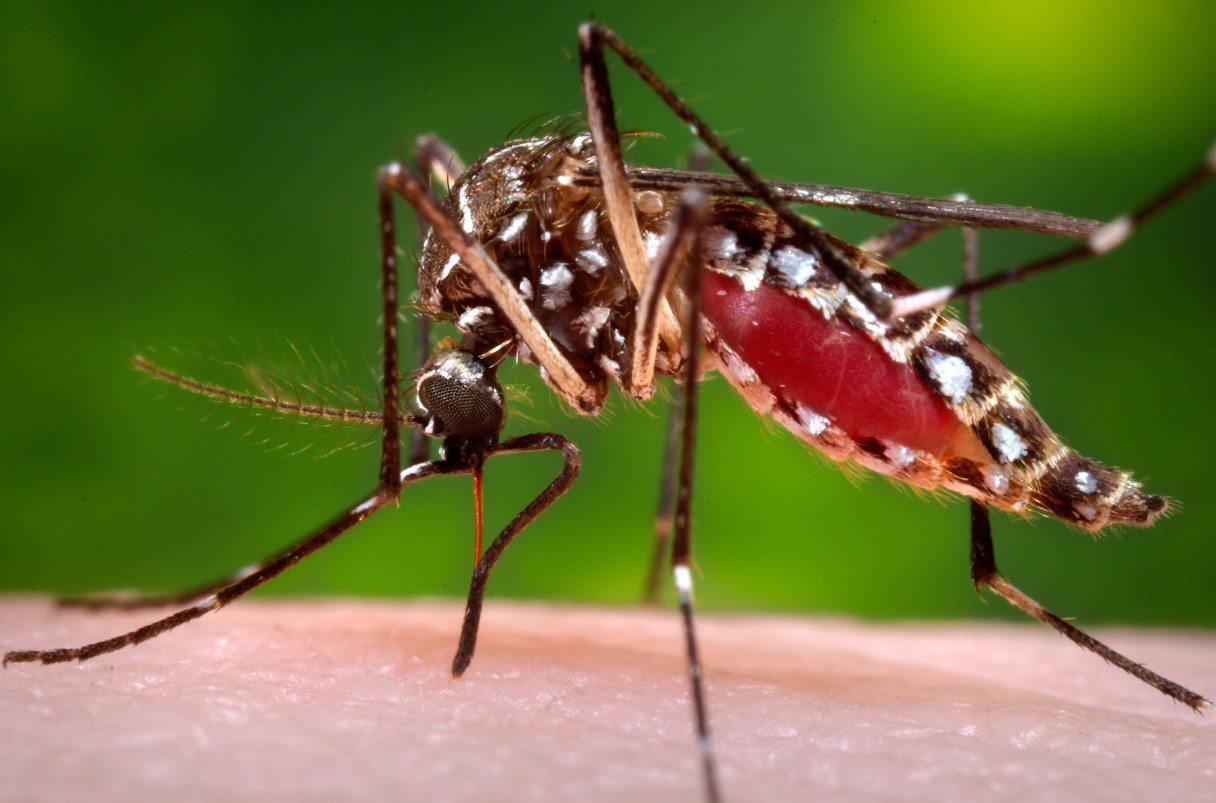
RIO DE JANEIRO (AP) – Two Latin American countries are investigating whether outbreaks of the mosquito-borne Zika virus are behind a rise in a rare and sometimes life-threatening nerve condition that can cause paralysis and leave victims on life-support.
The Zika virus has already been tentatively linked to a rash of microcephaly, a birth defect in which babies are born with unusually small heads. And while the mechanics of how the virus may affect infants remain murky, authorities in Brazil, Colombia and El Salvador are urging women to avoid the risk by postponing pregnancies.
The U.S. Centers for Disease Control and Prevention advised pregnant women to reconsider travel to countries with Zika outbreaks, and on Friday it expanded the warning to 22 destinations, most in Latin America and the Caribbean.
The rise in cases of Guillain-Barre has also alarmed health officials region-wide. The nerve disorder causes muscle weakness that generally begins in the legs and spreads to the arms and face, and can cause numbness, trouble walking and even limb paralysis. While most people recover in weeks or months, in severe cases the muscles used for breathing weaken so much that patients require life-support.
Anyone of any age can get Guillain-Barre, although it is very rare. It is thought to be triggered by an infection – something as simple as food poisoning – and happens when the immune system attacks the body’s own nervous system.