
Thursday, October 29, 2026Oct 29

This story is free to read.

Prosecutor: Evidence speaks for 10 ‘Grim Sleeper’ victims

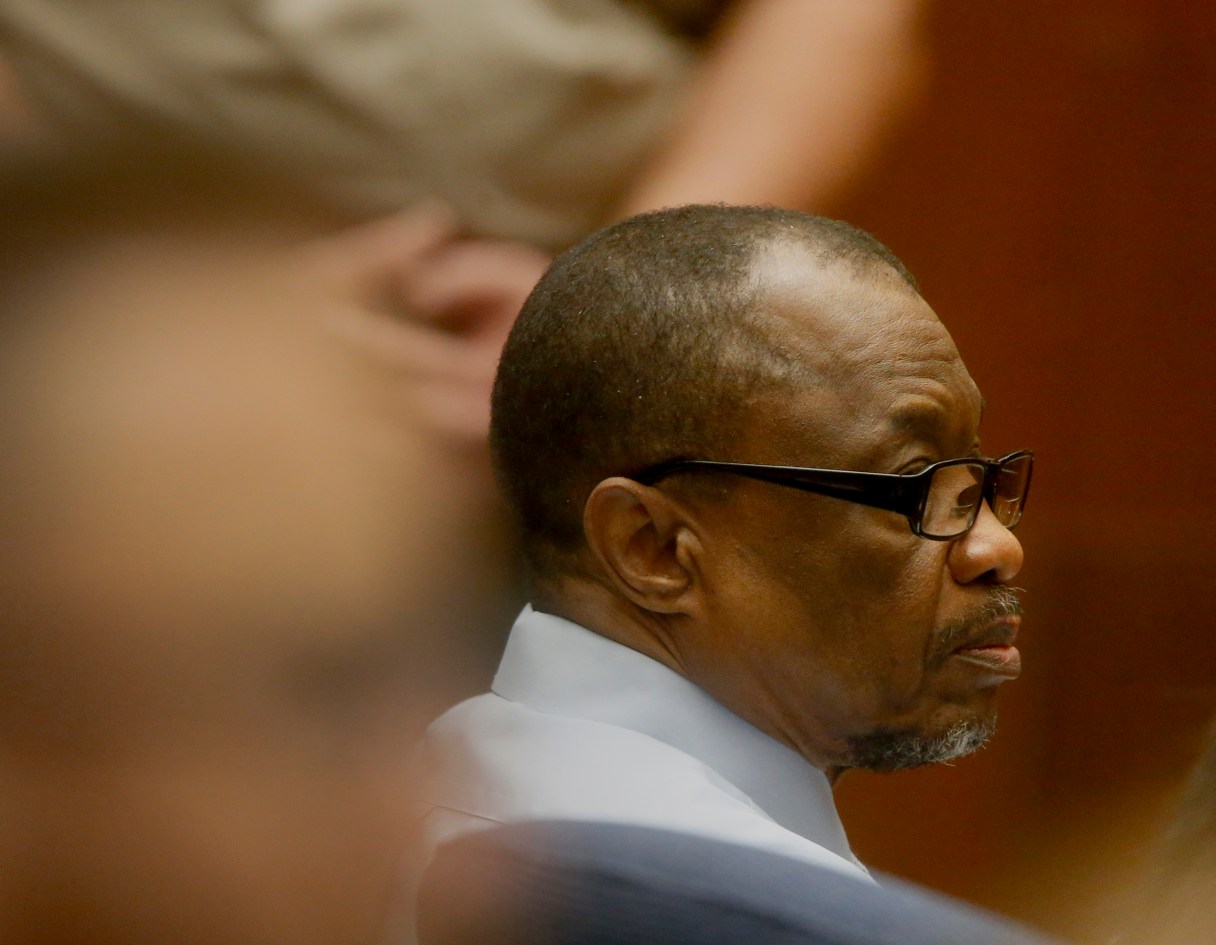
Lonnie Franklin Jr. appears in Los Angeles Superior Court during closing arguments of his trail Monday, May 2, 2016, in Los Angeles. The "Grim Sleeper" serial killer trial is coming to a close in Los Angeles after months of testimony. Franklin is charged with killing nine women and a 15-year-old girl between 1985 and 2007. They were shot or strangled and their bodies dumped in alleys and trash bins in South Los Angeles and nearby areas.
Lonnie Franklin Jr. appears in Los Angeles Superior Court during closing arguments of his trail Monday, May 2, 2016, in Los Angeles. The "Grim Sleeper" serial killer trial is coming to a close in Los Angeles after months of testimony. Franklin is charged with killing nine women and a 15-year-old girl between 1985 and 2007. They were shot or strangled and their bodies dumped in alleys and trash bins in South Los Angeles and nearby areas. Lonnie Franklin Jr. appears in Los Angeles Superior Court during closing arguments of his trail Monday, May 2, 2016, in Los Angeles. The "Grim Sleeper" serial killer trial is coming to a close in Los Angeles after months of testimony. Franklin is charged with killing nine women and a 15-year-old girl between 1985 and 2007. They were shot or strangled and their bodies dumped in alleys and trash bins in South Los Angeles and nearby areas.

LOS ANGELES – The victims were all young black women, some were prostitutes and most had been using cocaine before their bodies were discovered in alleys in a rough part of Los Angeles, hidden in trash bins or covered by mattresses or debris.

For decades, the serial killer dubbed the “Grim Sleeper” eluded police, dumping at least 10 bodies and leaving one woman for dead after shooting her in the chest.

After months of testimony, a prosecutor Monday said that the evidence overwhelmingly points to Lonnie Franklin Jr. and speaks for the vulnerable victims he silenced as he spent years hiding in plain sight.

“How do we figure out what happened here? How do we know who committed these crimes?” Deputy District Attorney Beth Silverman asked as she closed her case in Los Angeles Superior Court.

“Ten of the victims can’t tell you themselves. The defendant took their voices when he brutally murdered them. … The evidence in this case is the voice of the victims.”