
Thursday, October 29, 2026Oct 29

This story is free to read.

In Tune: How Riverbend is a bit like a coelacanth

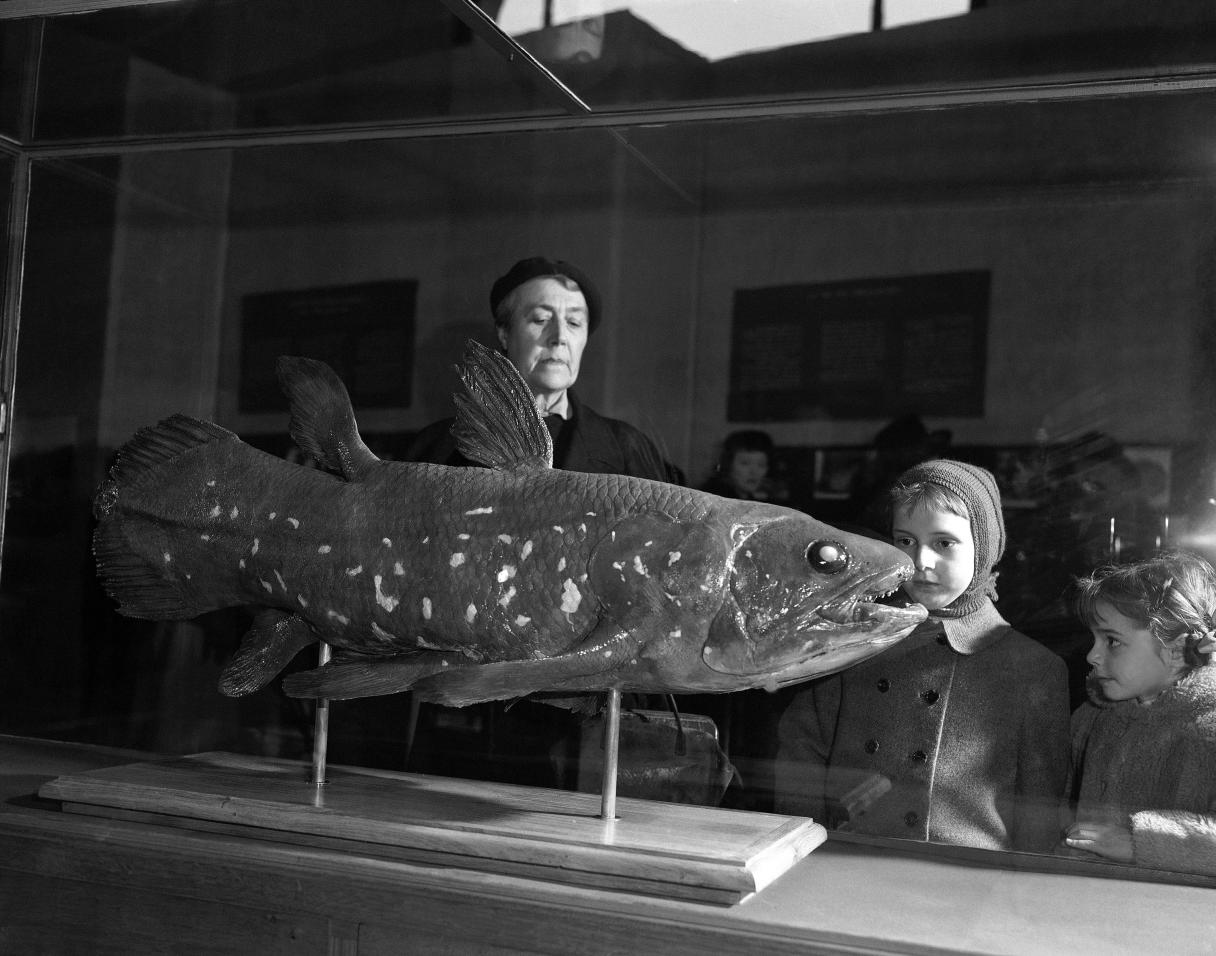
Speculation and fascination are just two of the expressions on the visitors faces as they view a coelacanth on exhibition at the Natural History Museum in Paris on March 21, 1954. Coelacanths were believed to have been extinct for millions of years until one was caught off the east coast of Africa in the early 1950s.
Speculation and fascination are just two of the expressions on the visitors faces as they view a coelacanth on exhibition at the Natural History Museum in Paris on March 21, 1954. Coelacanths were believed to have been extinct for millions of years until one was caught off the east coast of Africa in the early 1950s. Speculation and fascination are just two of the expressions on the visitors faces as they view a coelacanth on exhibition at the Natural History Museum in Paris on March 21, 1954. Coelacanths were believed to have been extinct for millions of years until one was caught off the east coast of Africa in the early 1950s.

I’m about to celebrate a bittersweet career milestone.

When I amble through the gates of this year’s Riverbend festival, which runs June 10-18, it will mark the 10th time I’ve covered the event for the newspaper.

photo Casey Phillips

My first Riverbend arrived just two weeks after being hired in late May of 2007. At the time, I was fresh out of college and so laughably unfamiliar with Chattanooga that I needed help to locate the river. (No, I’m not kidding.)

That first festival was a trial by fire, to be sure, and a memorable experience, if not always an especially pleasant one.

I began my first year of Riverbend thrilled at the prospect of “covering a rock festival.” Halfway through the event, however, I began nursing a sneaking suspicion that the preponderance of country bands and past-prime Top 40 acts wasn’t a fluke.