
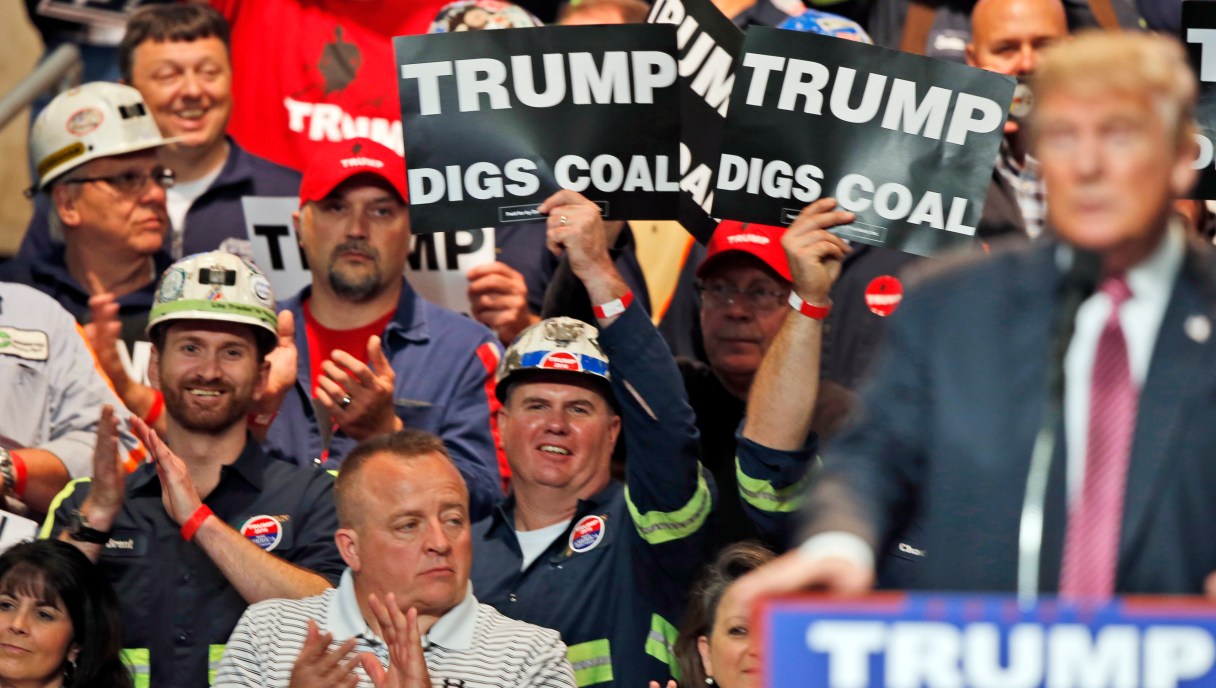
As I watched last week as protesters took to the streets in big cities, what struck me was the vast and growing divide between America’s rural and urban populations and their politics and sensibilities.
One look at county maps of this year’s election results and you see what looks like a handful of blueberries sprinkled on an endless spread of red sauce (between the blue coasts). And yet, it is likely that the final result will be that Hillary Clinton won the popular vote, although Donald Trump won the electoral vote and therefore the election.
Part of the reason for this is that, as a census report noted last year: “U.S. cities are home to 62.7 percent of the U.S. population but comprise just 3.5 percent of land area.”
Indeed, a 2013 analysis by Business Insider found that “half of the United States population is clustered in just the 146 biggest counties out of over 3000,” according to census data.
Fourteen states – a few in the Plains, a few in the Deep South and a few in New England – contained none of those “biggest counties” and another 19 contained only one or two of those counties.