
Tuesday, November 10, 2026Nov 10

Venezuela ruling party games Twitter for political gain

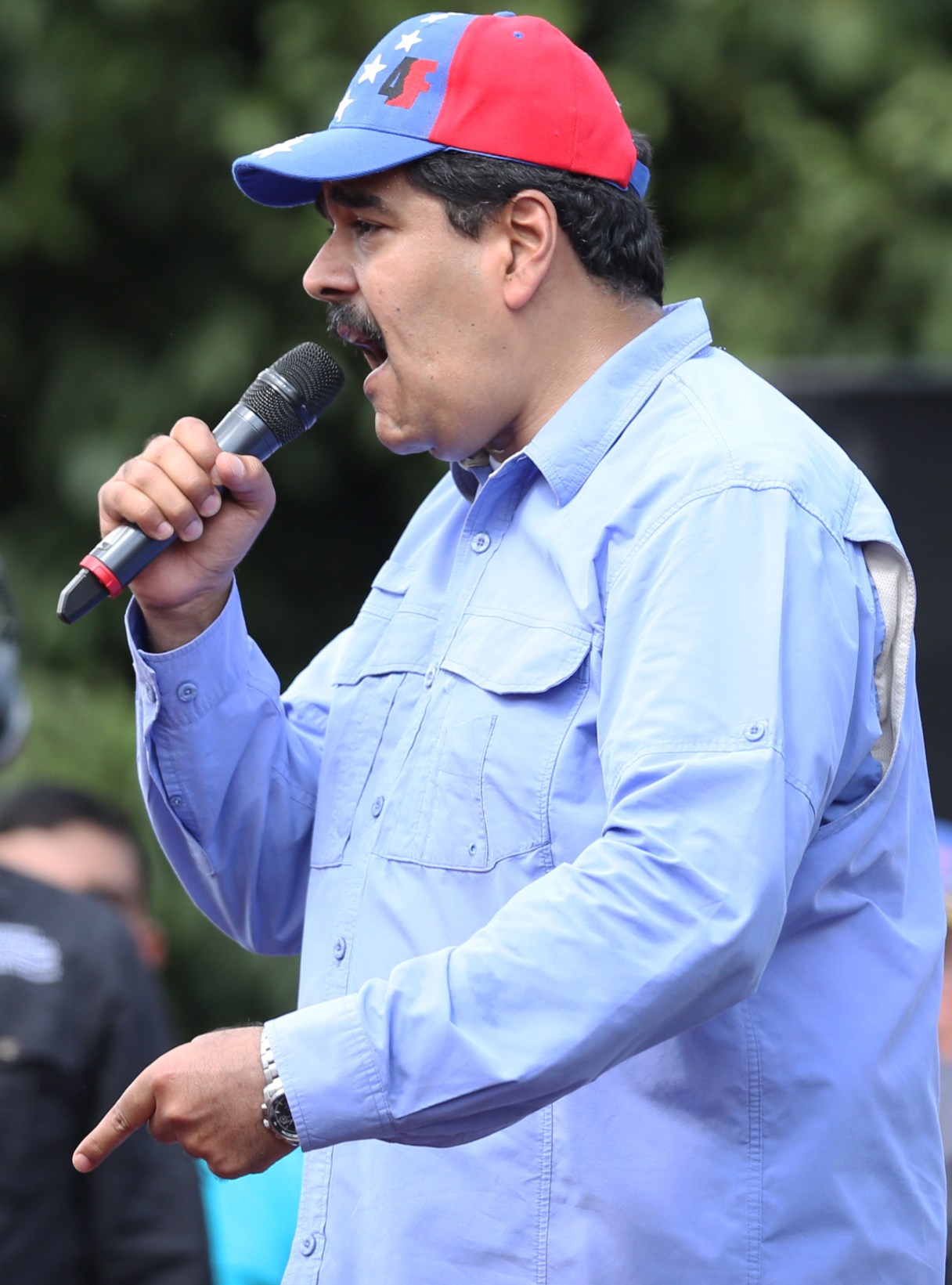
FILE - In this Jan. 23, 2015 file photo, Venezuela’s President Nicolas Maduro speaks to supporters during a rally to commemorate the end of Marcos Perez Jimenez's dictatorship 57 years ago, in Caracas, Venezuela. Maduro has become the third most-retweeted public figure in the world, behind Pope Francis and the King of Saudi Arabia, according to public relations firm Burston Marsteller. But a closer look suggests that the government is artificially inflating its social media pull by using networks of fake accounts. (AP Photo/Ariana Cubillos, File)
FILE - In this Jan. 23, 2015 file photo, Venezuela’s President Nicolas Maduro speaks to supporters during a rally to commemorate the end of Marcos Perez Jimenez's dictatorship 57 years ago, in Caracas, Venezuela. Maduro has become the third most-retweeted public figure in the world, behind Pope Francis and the King of Saudi Arabia, according to public relations firm Burston Marsteller. But a closer look suggests that the government is artificially inflating its social media pull by using networks of fake accounts. (AP Photo/Ariana Cubillos, File) FILE - In this Jan. 23, 2015 file photo, Venezuela’s President Nicolas Maduro speaks to supporters during a rally to commemorate the end of Marcos Perez Jimenez's dictatorship 57 years ago, in Caracas, Venezuela. Maduro has become the third most-retweeted public figure in the world, behind Pope Francis and the King of Saudi Arabia, according to public relations firm Burston Marsteller. But a closer look suggests that the government is artificially inflating its social media pull by using networks of fake accounts. (AP Photo/Ariana Cubillos, File)

CARACAS, Venezuela (AP) – Venezuelan President Nicolas Maduro’s approval ratings may be languishing below 30 percent, but on Twitter he’s as popular as Pope Francis – or so it would seem.

The socialist South American leader regularly sets social media afire with support, with heavily trending anti-U.S. campaigns such #ObamaYankeeGoHome and #ObamaRepealTheExecutiveOrder, which denounced U.S. sanctions on members of Maduro’s administration.

But a closer look suggests that the government is artificially inflating its social media influence and distorting its popularity. Independent analysts who ran tests at the request of The Associated Press found the government was benefiting from networks of fake accounts.

Automated accounts known as bots are a worldwide phenomenon that Twitter has struggled to stop. Programmers create them in batches, and Twitter has to eliminate them one by one. At one point, Maduro complained that Twitter had shut down more than 6,000 accounts that followed him. The company declined comment for this story.

Among the other powerbrokers who experts say routinely employ bot networks in violation of Twitter’s policies are the leaders of Russia, Mexico and Turkey, as well as supporters of the Islamic State group.