
Thursday, November 12, 2026Nov 12

New federal requirements on cellphone surveillance

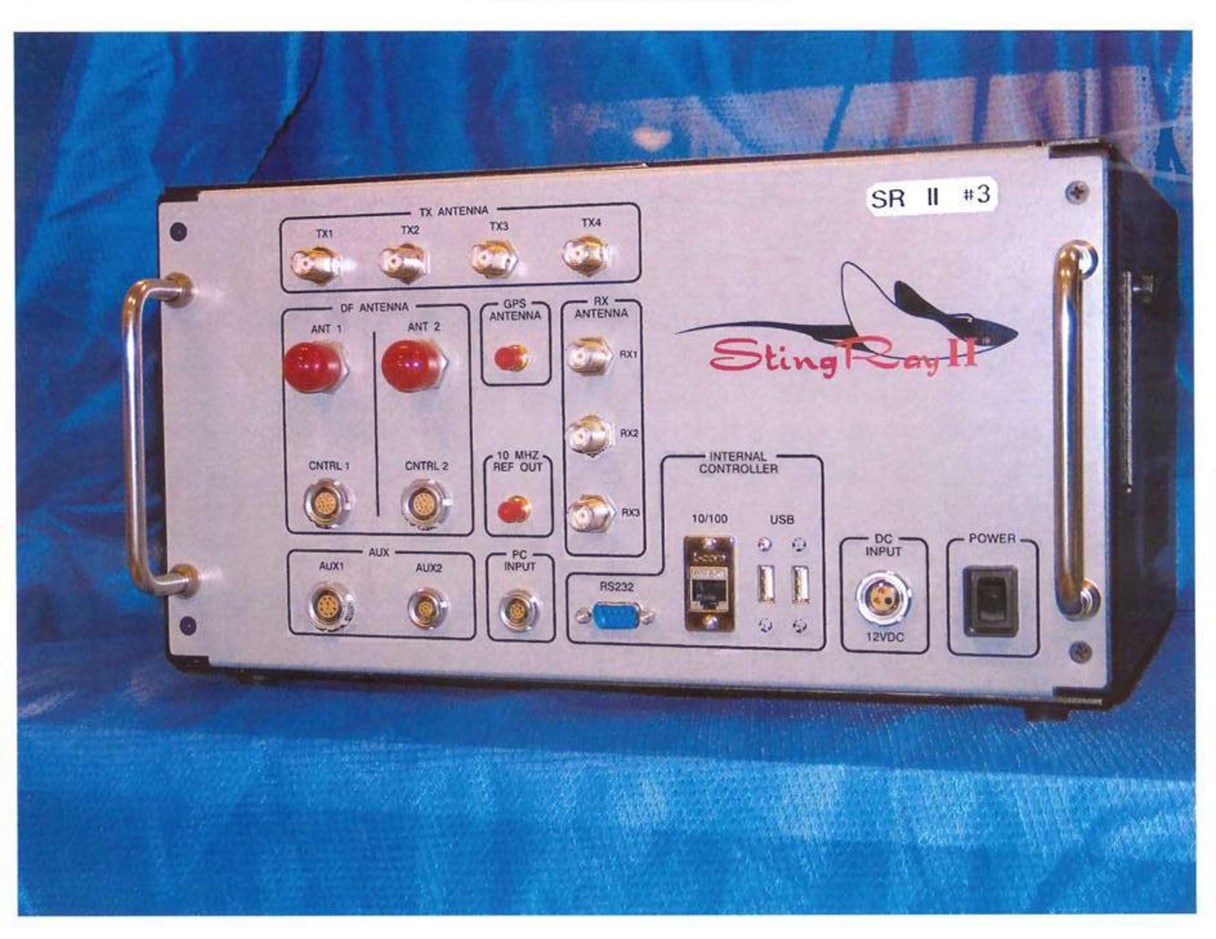
This undated handout photo provided by the U.S. Patent and Trademark Office shows the StingRay II, manufactured by Harris Corporation, of Melbourne, Fla., a cellular site simulator used for surveillance purposes. Federal law enforcement officials will be routinely required to get a search warrant before using secretive and intrusive cellphone-tracking technology under a new Justice Department policy announced Sept. 3, 2015. The seven-page policy, the first of its kind, is designed to create a uniform legal standard for federal law enforcement agencies using equipment known as cell-site simulators. (AP Photo/U.S. Patent and Trademark Office)
This undated handout photo provided by the U.S. Patent and Trademark Office shows the StingRay II, manufactured by Harris Corporation, of Melbourne, Fla., a cellular site simulator used for surveillance purposes. Federal law enforcement officials will be routinely required to get a search warrant before using secretive and intrusive cellphone-tracking technology under a new Justice Department policy announced Sept. 3, 2015. The seven-page policy, the first of its kind, is designed to create a uniform legal standard for federal law enforcement agencies using equipment known as cell-site simulators. (AP Photo/U.S. Patent and Trademark Office) This undated handout photo provided by the U.S. Patent and Trademark Office shows the StingRay II, manufactured by Harris Corporation, of Melbourne, Fla., a cellular site simulator used for surveillance purposes. Federal law enforcement officials will be routinely required to get a search warrant before using secretive and intrusive cellphone-tracking technology under a new Justice Department policy announced Sept. 3, 2015. The seven-page policy, the first of its kind, is designed to create a uniform legal standard for federal law enforcement agencies using equipment known as cell-site simulators. (AP Photo/U.S. Patent and Trademark Office)

WASHINGTON (AP) – Federal law enforcement officials will be routinely required to get a search warrant before using secretive and intrusive cellphone-tracking technology under a new Justice Department policy announced Thursday.

The seven-page policy, the first of its kind, is designed to create a uniform legal standard for federal law enforcement agencies using equipment known as cell-site simulators. It comes amid concerns from privacy groups and even judges that the technology, which is now widely used by local police departments, is being misused and without public accountability.

“This new policy ensures our protocols for this technology are consistent, well managed and respectful of individuals’ privacy and civil liberties,” Deputy Attorney General Sally Yates said in a statement.

The technology can sweep up basic cellphone data from a neighborhood by tricking phones in the area to believe that it’s a cell tower, allowing it to identify unique subscriber numbers. The data is then transmitted to the police, helping them determine the location of a phone without the user even making a call or sending a text message.

Besides requiring a warrant in most circumstances, except for emergencies like an immediate national security threat, the policy also requires authorities to delete data that’s been collected once they have the information that they need. It also makes clear that the technology cannot be used to collect the contents of any communication, such as a phone call or text message.