
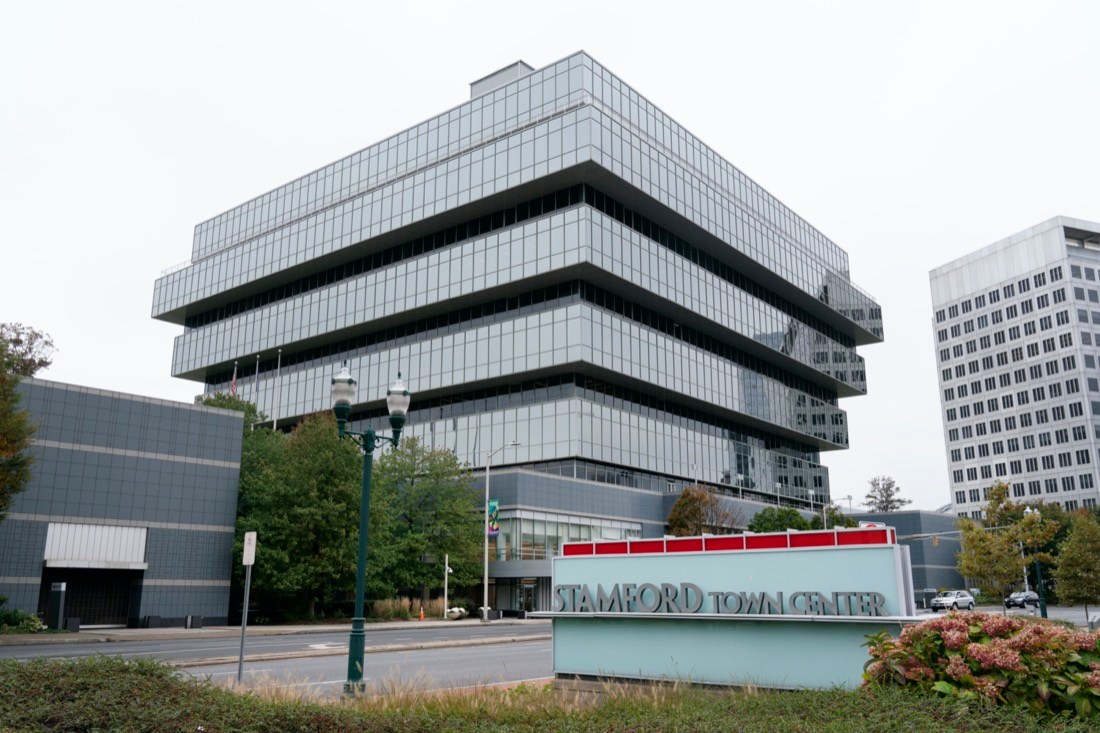
Purdue Pharma, which helped revolutionize the prescription painkiller business with its drug OxyContin, is proposing a $10 billion plan to emerge from bankruptcy that calls for it to be transformed into a different kind of company funneling profits into the fight against the nation’s intractable opioid crisis.
Those efforts would include a significant boost – more than $4 billion – from members of the Sackler family who own the Connecticut-based pharmaceutical giant.
The plan, filed late Monday night in U.S Bankruptcy Court in White Plains, N.Y., after months of negotiations, marks the company’s formal offer to settle more than 2,900 lawsuits from state and local governments, Native American tribes, hospitals and other entities.
“Purdue has delivered a historic plan that can have a profoundly positive impact on public health by directing critically-needed resources to communities and individuals nationwide who have been affected by the opioid crisis,” Steve Miller, chairman of Purdue’s Board of Directors, said in a statement.
Most of the parties in the case are on board with the plan. But attorneys general representing 23 states and the District of Columbia issued a statement saying the offer “falls short of the accountability that families and survivors deserve.” They want more money from the Sackler family members and for Purdue to wind down in a way that “does not excessively entangle it with states.”