
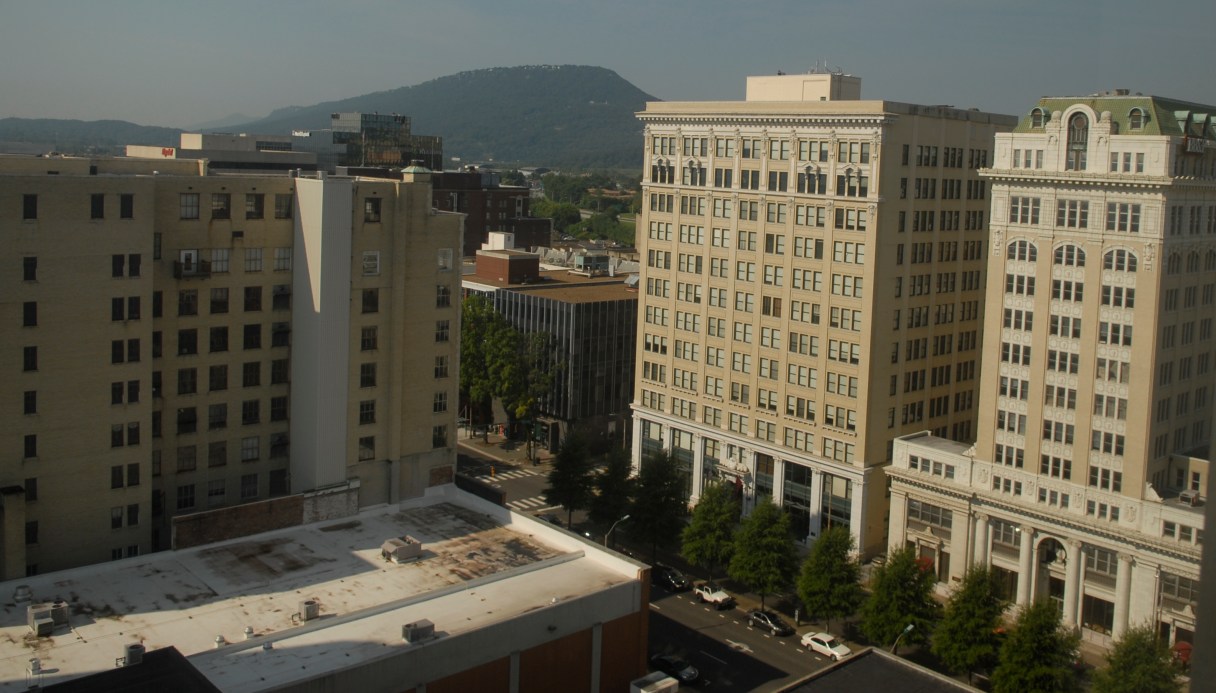
Two more apartment developers have turned their sights toward Chattanooga’s downtown, but they are also asking for tax breaks to help make ends meet.
One developer wants to build a brand new, five-story building in the Southside, and another wants to build apartments in one of the Scenic City’s oldest skyscrapers, the Maclellan building.
Both want the bulk of their property taxes frozen for 10 years, then slowly increased to a full share over four more. In return, they say they’ll offer 20 percent of their units for a reduced price, based on a percentage of the county’s median income.
The two companies appeared before the Chattanooga Health, Education and Housing Facilities Board on Wednesday. Among other things, the board is the first step toward negotiating so-called payment-in-lieu-of-tax agreements to boost downtown housing.
Birmingham, Ala.-based Kore is seeking to build a new five-story, 210-unit apartment at 1400 Chestnut St. that developers said early this month would include a swimming pool and a courtyard.
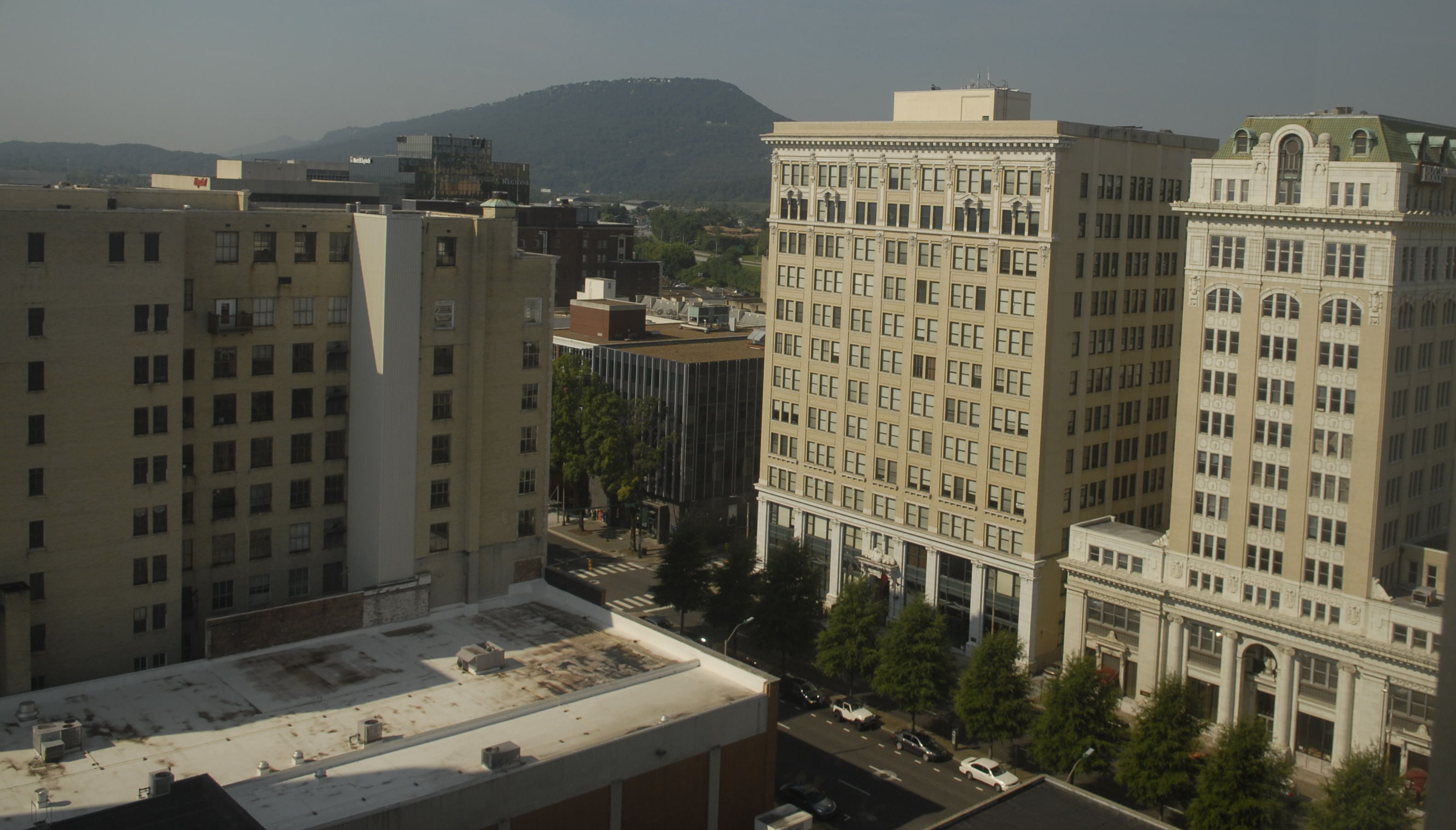 The Chattanooga Bank Building, James Building and Maclellan Building, from left, are seen in downtown Chattanooga in this 2013 file photo.
They want more than $3.4 million in taxes waived over 14 years.
Under the proposed tax agreement, there would be 125 one-bedroom units and 85 two-bedroom apartments. To meet the income limits for the tax-break program, rent for 42 one-bedroom units would be at or below $772 a month.
The complex would offer three one-bedroom floor plans ranging from 672 square feet to 783 square feet. Reduced-price apartments being converted at the Chattanooga Choo Choo will be roughly half that size for nearly the same price.
“These will be much larger than anything else that’s available in the market today,” said Joseph Holt, a partner with Kore.
Since the site is cleared and structured parking is required, the company estimates the total build-out will cost about $24 million. That includes about $1 million to clear up lead-tainted foundry sand, according to River City Co. President and CEO Kim White.
If passed, the tax agreement for the Chestnut Street development would freeze county and city taxes at the land’s current assessed value of $162,560, according to HEB documents. Which means the company would pay the governments a combined $8,248 a year for the 10-year agreement. Without the tax break, the estimated tax bill would be $479,613 a year. Then the company will have a four-year phase-in period that will increase taxes by 20 percent annually until it pays the full 100 percent share.
But the company would immediately start paying a full share of school taxes on its new $9.4 million value, so schools would get an annual $129,738 bump from the start.
In the end, the city and county would end up waiving approximately $3.4 million in property taxes, Deputy City Attorney Phil Noblett said.
Another developer, Heritage Land and Development Co., wants to renovate part of the historic Maclellan Building at 721 Broad St., which has been mostly vacant for a decade.
The company plans to buy and renovate part of the building and create 90 apartments, 40 of which would be studio apartments offered at a reduced price.
John Glassell, part owner of Heritage, told HEB members the company plans to renovate the historic building for roughly $11 million and it would seek federal historic preservation grants to off-set costs.
In total, the project would include 40 studios, 42 one-bedroom units and eight two-bedroom units.
Tax agreement documents show the reduced price studios would range from 477 to 653 square feet.
Under that agreement, the developer would pay roughly $1.5 million in property taxes over 14 years, but the county and city would waive about $1.3 million in that time. County schools would be paid about $54,000 a year through the entire agreement. It currently gets $12,394 annually for the unrenovated building.
Both agreements passed 6-1 at the HEB, with only board member Lloyd Longnion opposing them.
The Chattanooga City Council and the Hamilton County Commission will have to pass them as well before they return to the HEB for final action.
White said the Maclellan renovation project will go before the council and commission next week.
But Kore is still waiting on a zoning change before ithe Chestnut Street project can move forward.
Currently the site for the Kore development is zoned M-1 Manufacturing, it must be rezoned to C-3 Commercial to accommodate the apartment development.
White said the company wanted to clear the zoning issue next month at the planning commission before it presented a tax agreement proposal to the city and county.
Contact staff writer Louie Brogdon at lbrogdon@timesfreepress.com,@glbrogdoniv on Twitter or at 423-757-6481.