
NEW YORK (AP) – Fear of unexpected strikes from overseas. Battles over First Amendment rights. Simmering tensions of inequality.
It’s no wonder the 1950s are all over movie screens.
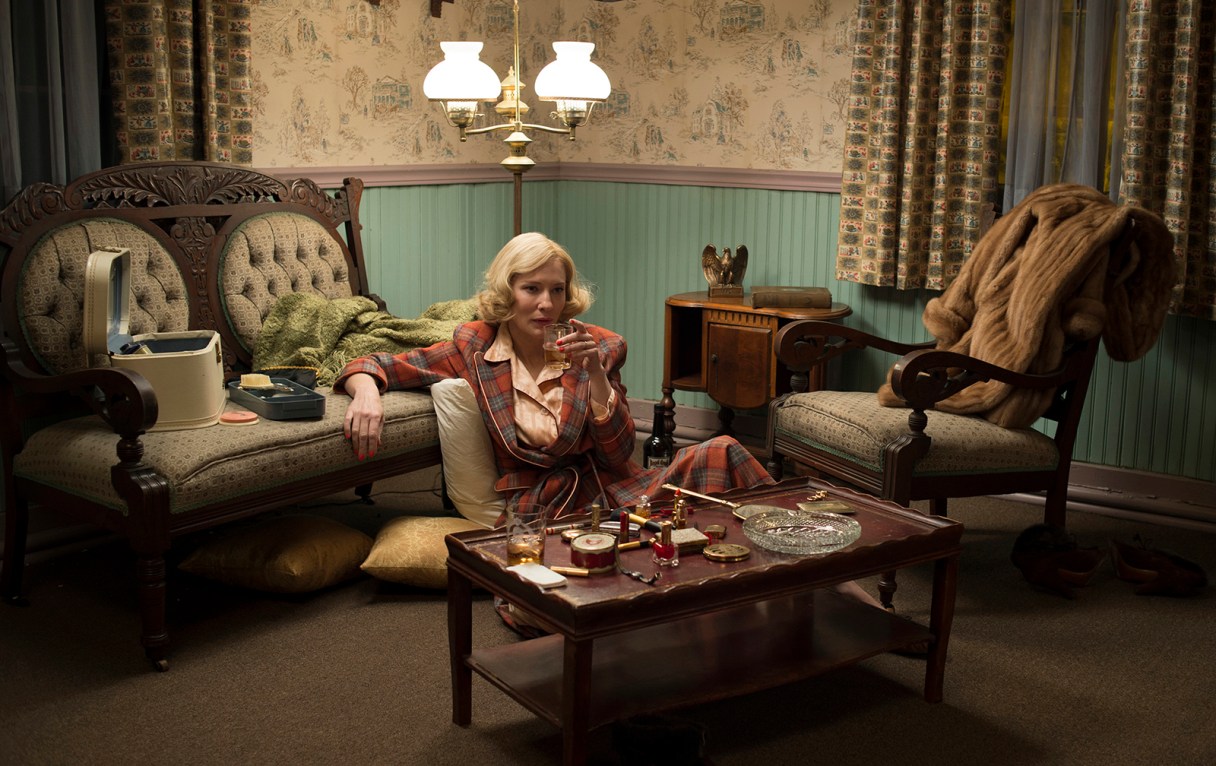
Whether by fortune or fate, movie theaters are alive with stories – from the communist witch hunt of “Trumbo” to the lesbian injustice of “Carol” – that plunge back into the paranoia of the Cold War and the social suffocations of the decade synonymous with Eisenhower, the suburbs and the ever-present threat of the bomb. By returning to the ’50s, filmmakers are finding stories that illuminate the politics of today.
First came Steve Spielberg’s “Bridge of Spies,” a spy thriller that, at its heart, is about the justice America affords captured enemy combatants and the strength of a morally strong individual (Tom Hanks, who else?) to stand up against a national tide of overzealous patriotism.
After the 1957 capture of Russian spy Rudolf Abel (Mark Rylance), James B. Donovan (Hanks) struggles to give Abel a legitimate legal defense, a right that few agree he deserves. The film’s second half, when American pilot Gary Powers is downed in the Soviet Union, serves as a reminder – with clear echoes for the prisoners of Guantanamo Bay – of the value of treating prisoners of war the way a nation would want their POWs treated.