
WASHINGTON — Troubled by consumer complaints and loopholes in state laws, federal regulators are putting together the first-ever rules on payday loans aimed at helping cash-strapped borrowers avoid falling into a cycle of high-rate debt.
The Consumer Financial Protection Bureau says state laws governing the $46 billion payday lending industry often fall short, and that fuller disclosures of the interest and fees — often an annual percentage rate of 300 percent or more — may be needed.
Full details of the proposed rules, expected early this year, would mark the first time the agency has used the authority it was given under the 2010 Dodd-Frank law to regulate payday loans. In recent months, it has tried to step up enforcement, including a $10 million settlement with ACE Cash Express after accusing the payday lender of harassing borrowers to collect debts and take out multiple loans.
Closer to home
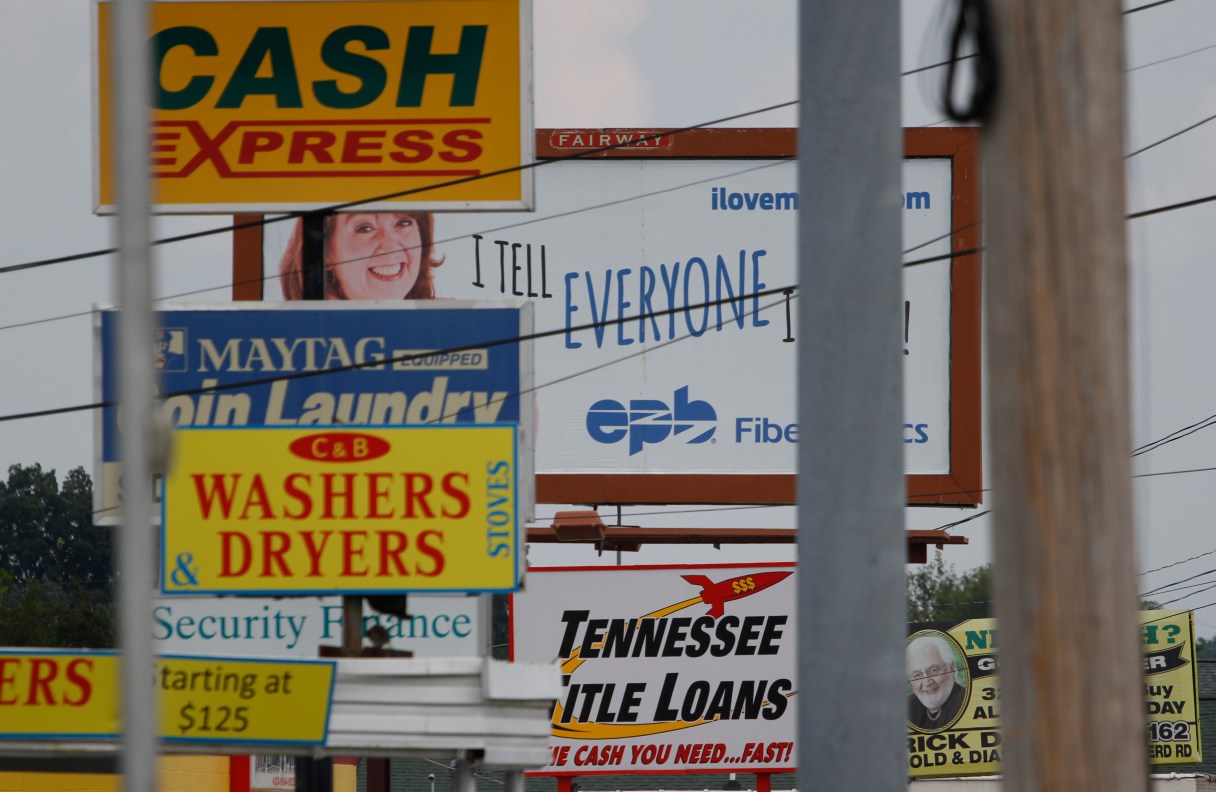
The Chattanooga City Council on Tuesday is set to give final approval Feb. 10 to a zoning amendment that would prevent alternative financing businesses — such as check-cashers, payday lenders and pawn brokers — from condensing in an area. The ordinance would bar such businesses from opening within 500 feet of residential areas or within a quarter-mile of other similar lenders. The Tennessee Department of Financial Institutions said there are 44 title pawn licenses and 46 payday loan licenses active Chattanooga.
A payday loan, or a cash advance, is generally $500 or less. Borrowers provide a personal check dated on their next payday for the full balance or give the lender permission to debit their bank accounts. The total includes charges often ranging from $15 to $30 per $100 borrowed. Interest-only payments, sometimes referred to as “rollovers,” are common.