
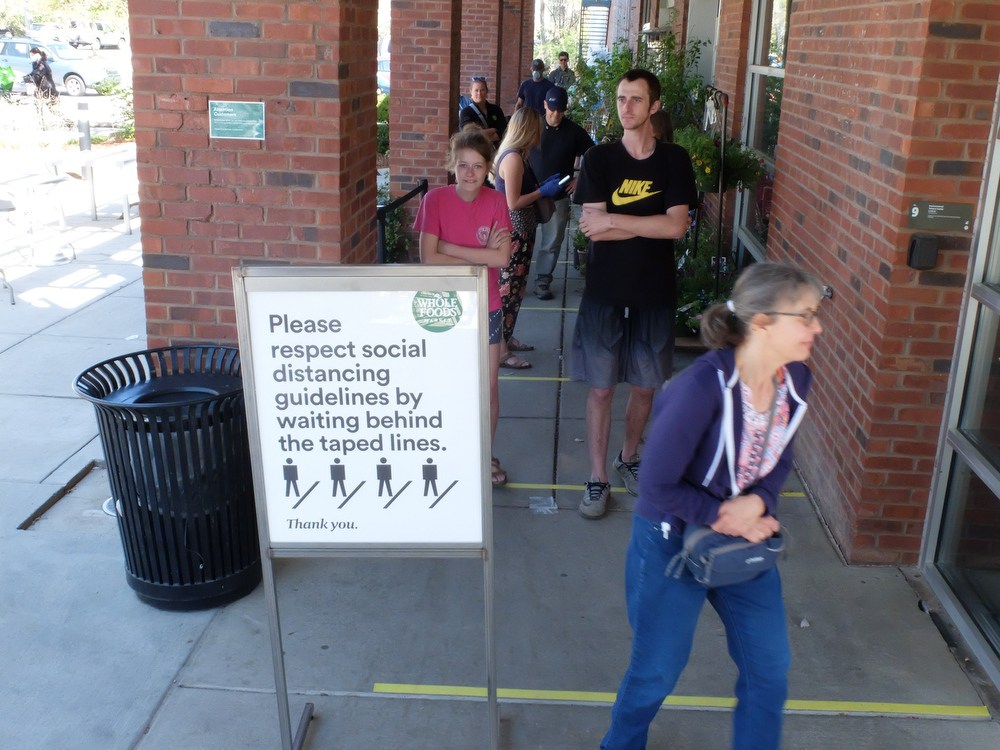
Grocery stores, like hundreds of other businesses, are adapting to the novel coronavirus, and while it could take weeks or months before we fully understand the ramifications, they are still the safest and best option for getting the things that we need to sustain ourselves, experts say.
The key, they say, is doing what we should have been doing all along: washing our hands and the products we take home before consuming them.
Kevin C. Kenny, a Maryland-based regulatory attorney, advises food manufacturers on such matters as food and product safety and has spoken to governments and manufacturers in more than 40 countries about food, chemicals and plastics regulation.
He said all of his speaking and travel engagements started canceling about three months ago. He, like many Americans, has been holed up at home – in his case with a “highly sensitive asthmatic” – so he feels qualified to talk about food safety, especially as it relates to grocery stores.
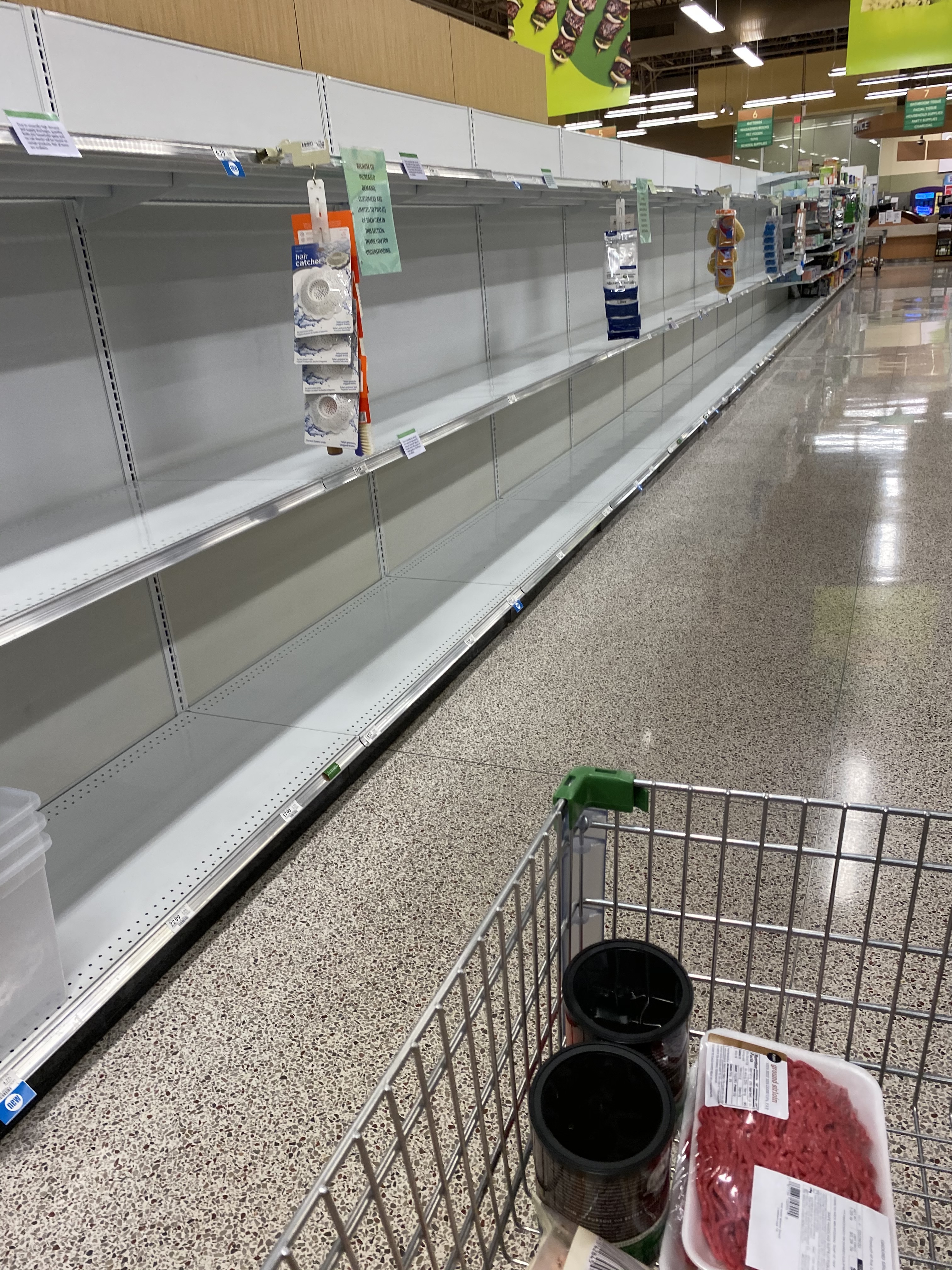
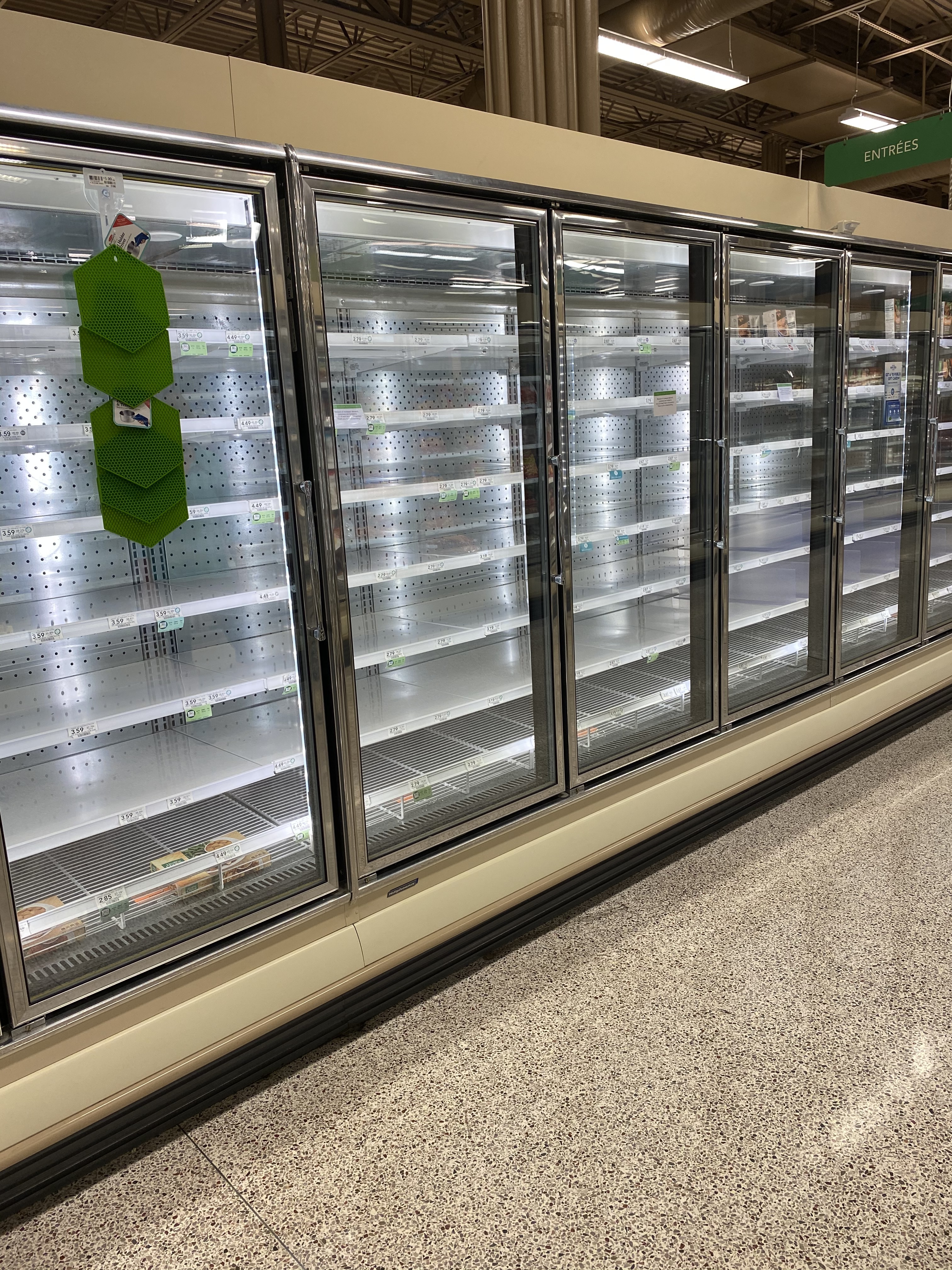


Kenny, who is a member of the regulatory committees of several major food, cosmetic and consumer product associations in the U.S. and Europe, said people should be cautions about crowds and contact with others at the grocery store. But he believes the products sold at grocery stores are relatively safe. The virus, he said, can live on cardboard for 24 hours and about three times that on steel and plastic.