
Tuesday, November 10, 2026Nov 10

Report finds Grand Canyon bison are native to region

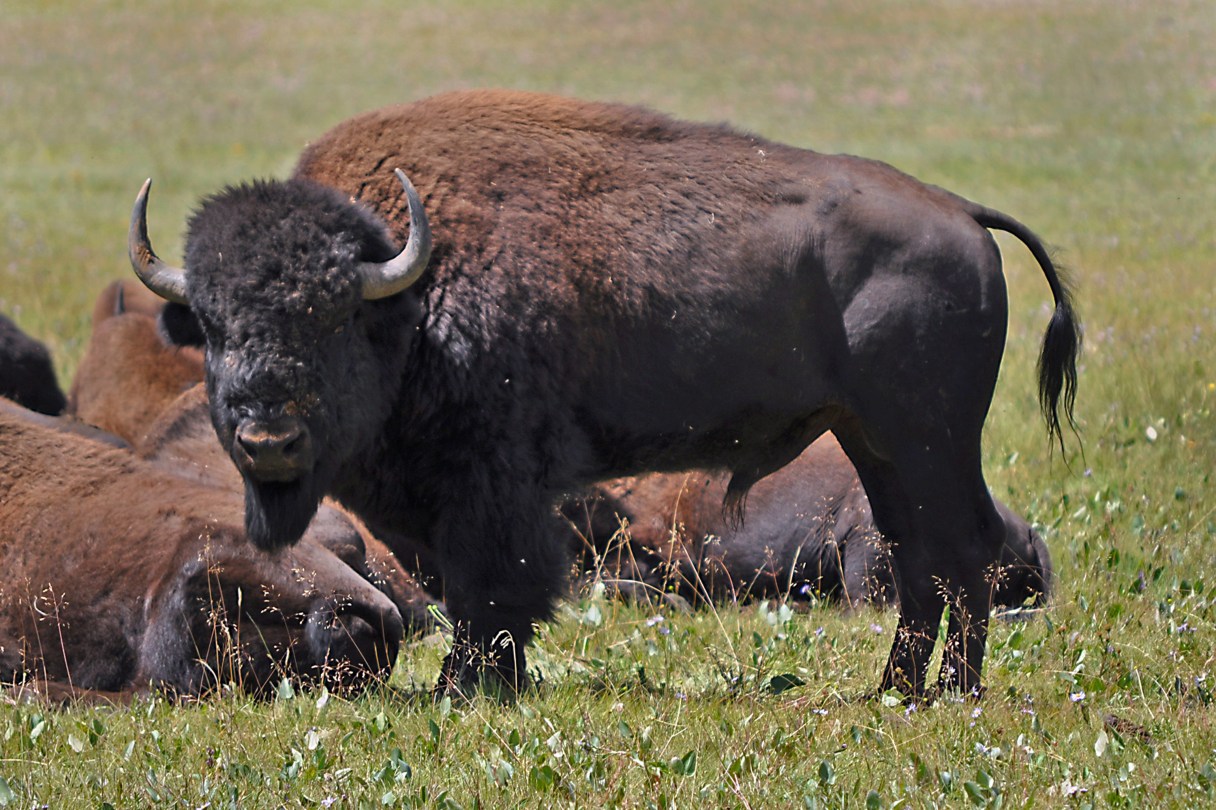
FILE- This Aug. 26, 2010, file photo provided by the Kaibab National Forest shows bison in the national forest adjacent to the Grand Canyon in Northern Arizona. The hundreds of bison that roam the far northern reaches of Arizona are descendants of the massive animals brought to the region in the early 1900's as part of a crossbreeding operation. But a new report issued Thursday, June 16, 2016, by the National Park Service says that’s just a snapshot of bison history in the region. (Kaibab National Forest via AP, File) MANDATORY CREDIT
FILE- This Aug. 26, 2010, file photo provided by the Kaibab National Forest shows bison in the national forest adjacent to the Grand Canyon in Northern Arizona. The hundreds of bison that roam the far northern reaches of Arizona are descendants of the massive animals brought to the region in the early 1900's as part of a crossbreeding operation. But a new report issued Thursday, June 16, 2016, by the National Park Service says that’s just a snapshot of bison history in the region. (Kaibab National Forest via AP, File) MANDATORY CREDIT FILE- This Aug. 26, 2010, file photo provided by the Kaibab National Forest shows bison in the national forest adjacent to the Grand Canyon in Northern Arizona. The hundreds of bison that roam the far northern reaches of Arizona are descendants of the massive animals brought to the region in the early 1900's as part of a crossbreeding operation. But a new report issued Thursday, June 16, 2016, by the National Park Service says that’s just a snapshot of bison history in the region. (Kaibab National Forest via AP, File) MANDATORY CREDIT

FLAGSTAFF, Ariz. (AP) – The effort to come up with a way to manage bison at Grand Canyon National Park has taken a turn back in time – thousands of years – to determine the massive animals’ roots.

A new National Park Service report declares bison are native to the area and says they perhaps arrived sporadically in small, dispersed herds over the past 11,000 years. The designation means authorities can cull the beasts that have been damaging the landscape but not remove them entirely from the park.

The study released Thursday acknowledges the current herd descends from bison that were brought to northern Arizona in the early 1900s by a rancher who wanted to crossbreed them with cattle. But that’s just a snapshot of the animal’s history in the region, the report says.

Bison historically weren’t a dominant part of the landscape. But they did appear in the area, which was the edge of their historic range, said Glenn Plumb, acting chief of science and resource management at the Grand Canyon and one of nine wildlife biologists who authored the report.

“All the evidence shows that northern Arizona was not a black hole for bison,” he said. “It was part of the narrative; the habitat was suitable for them.”