
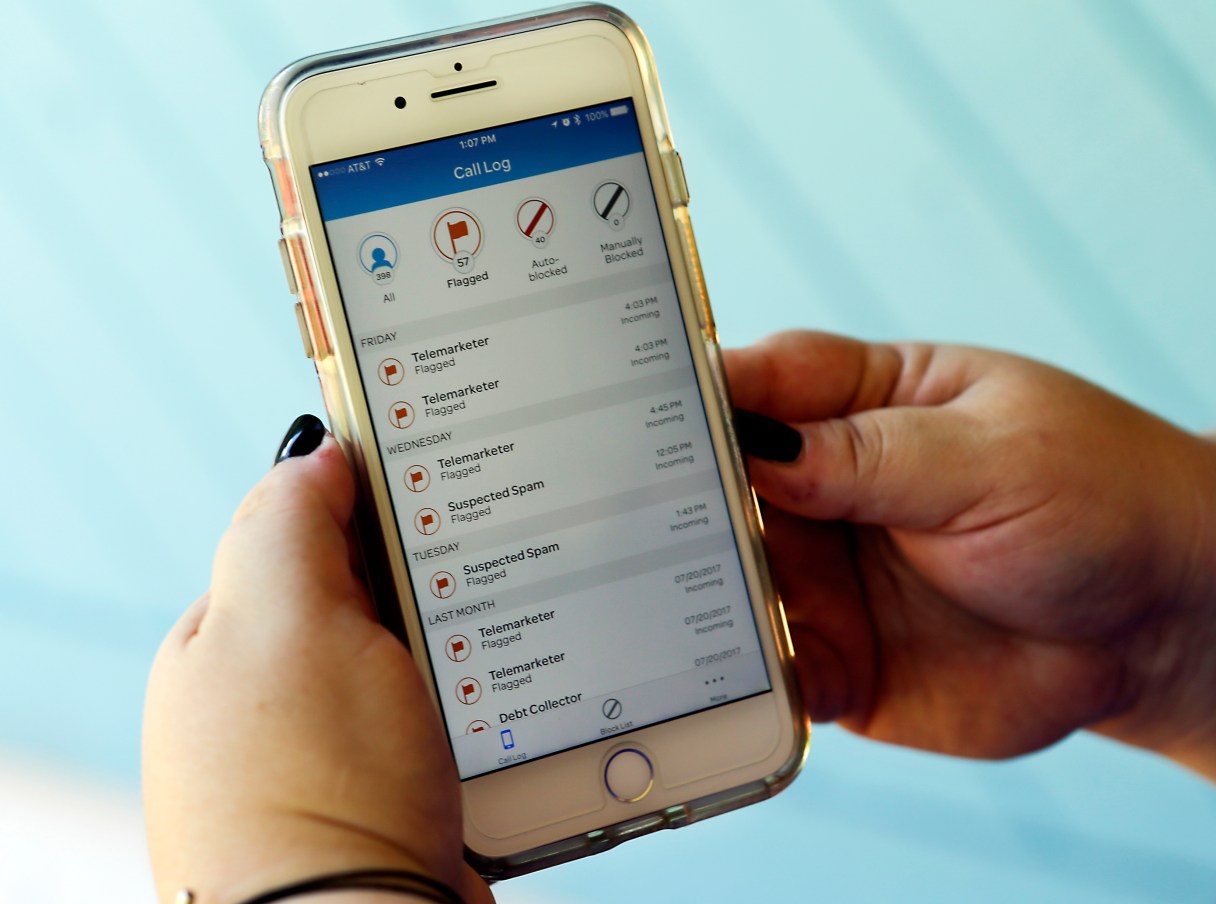
The little girl was playing in the playground area of a fast-food restaurant, yelling at her mom, “Watch me, Mama! Watch me!” Consumed by her cellphone, her mom did not hear her daughter calling to her. The child came down the slide, went over to her mom and started tugging on her arm, saying, “Mommy, Mommy, watch me.” At this point, the mother looked at her daughter, seemingly irritated at the interruption, and said, “What?”
 Julie Baumgardner
Perhaps you’ve been that mom at one point or another, and chances are good you’ve witnessed that mom. For some, that moment when a child is occupied on the safe playground is the opportunity to take a little break. For others, constant distractions keep parents from engaging with their kids.
Dr. Jenny Radesky is a fellow in developmental behavioral pediatrics at Boston Medical Center. She and a team of researchers observed 55 caregivers, usually a parent, eating and interacting with one or more children, from infants to 10-year-olds, in fast-food restaurants. Out of 55 caregivers, 40 were involved with their phone during the meal. Sixteen of these adults used the mobile device throughout the meal. The researchers referred to this as “absorption with the mobile device.”
Three adults gave a device to a child to keep them occupied. One adult with a little girl picked up her phone as soon as she sat down, and she used it throughout the entire meal.
“The girl keeps eating, then gets up to cross the room to get more ketchup. Caregiver is not watching her do this; she is looking down at the phone ,” the notes showed. “Still no conversation Now girl’s head appears to be looking right at caregiver, and caregiver looks up but not at girl “