
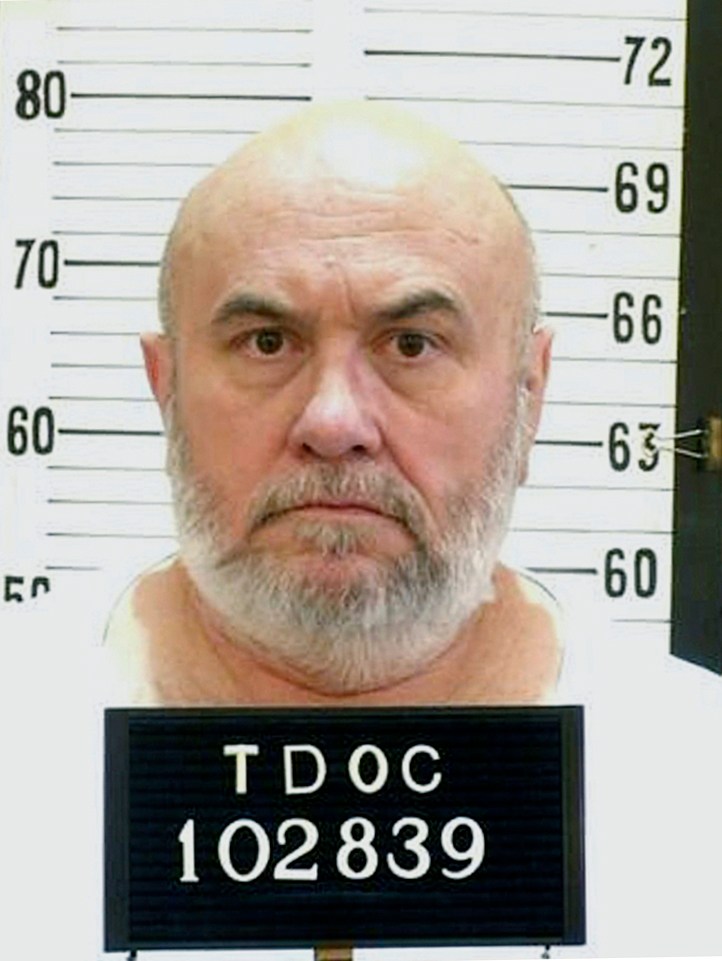
NASHVILLE, Tenn. (AP) – The state of Tennessee has denied the request by Tennessee inmate Edmund Zagorski to die in the electric chair, his attorney says, and plans to proceed with plans to execute him Thursday by lethal injection.
Kelley Henry, Zagorski’s attorney, said she was considering legal options on Zagorski’s behalf. State officials could not be reached for comment late Tuesday.
Henry had asked the U.S. Supreme Court for a stay earlier in the day after announcing Monday that he had chosen to die by electrocution rather than lethal injection, stating he believed electrocution to be quicker and less painful.
Zagorski was sentenced in 1984 for the slayings of two men during a drug deal. Prosecutors said Zagorski shot John Dotson and Jimmy Porter, then slit their throats after robbing them in Robertson County in April 1983. The victims had planned to buy marijuana from Zagorski.
The last time Tennessee put someone to death in the electric chair was in 2007.