
“Courage” is derived from the Latin word cor, which referred to the heart. Legendary second-century A.D. Roman physician, Galen, considered the heart as the source of the body’s vitality and the seat of the soul.
By the time the word had migrated over centuries to Middle English it had become corage, the storehouse of the emotions. To speak with corage meant opening one’s thoughts to the world. Today, courage means to confront danger, opposition or pain without showing fear.
Routinely, policemen exhibit courage as they confront uncertainties, which could rapidly escalate into violence. Each day, they protect the public from danger, whether in public or domestic surroundings. Firemen must have a reservoir of courage as they deal with the dangers of fire in homes, businesses and industry, and high-rise structures. Rescues are part of the challenge facing all first responders.
Members of the armed service may confront, with little warning, situations where multiple lives will be endangered by unexpected attacks in any environment.
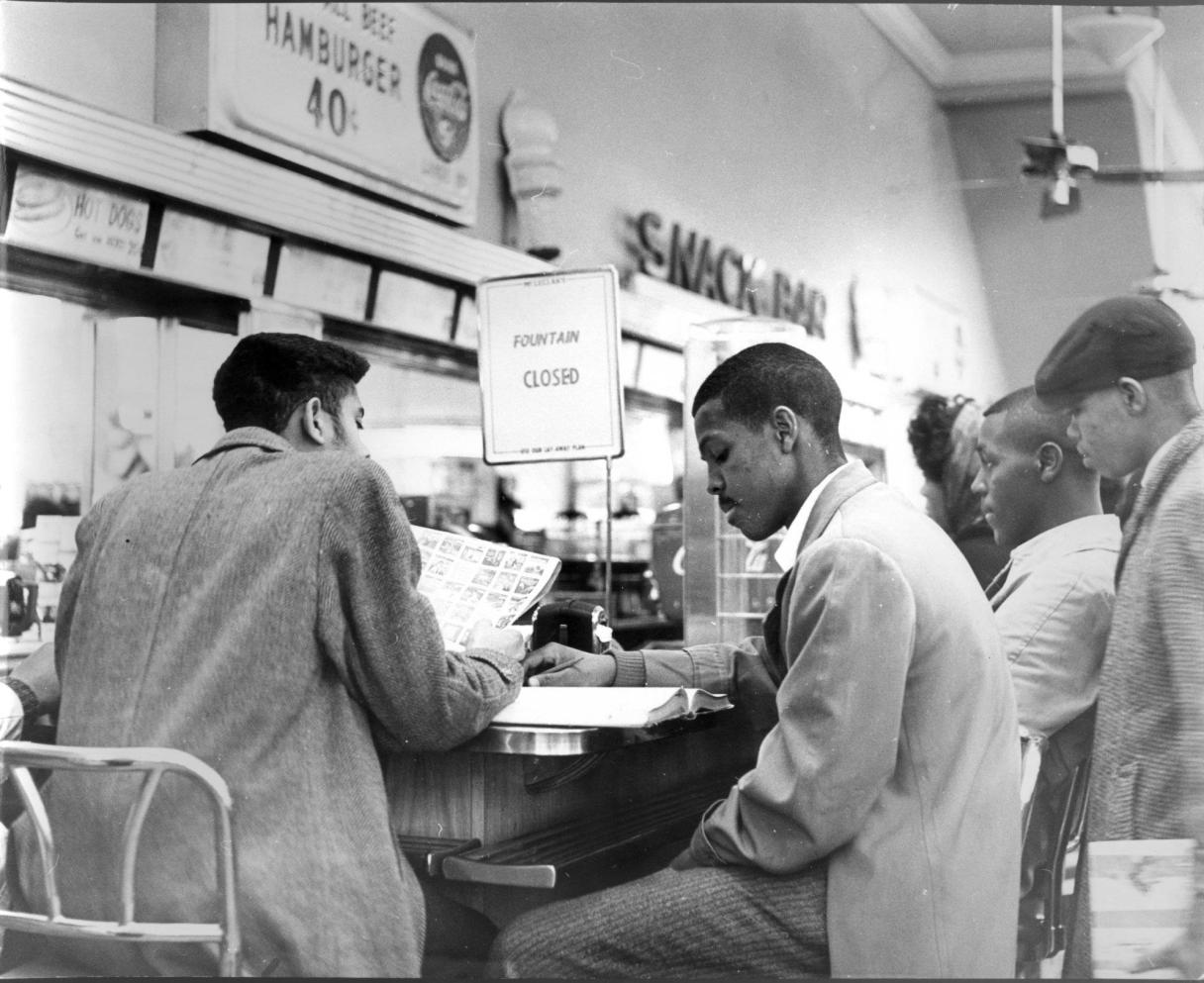
Courage of a different, quieter variety characterized the behavior of protesters who 60 years ago challenged segregation at our nation’s lunch counters and other public facilities.