
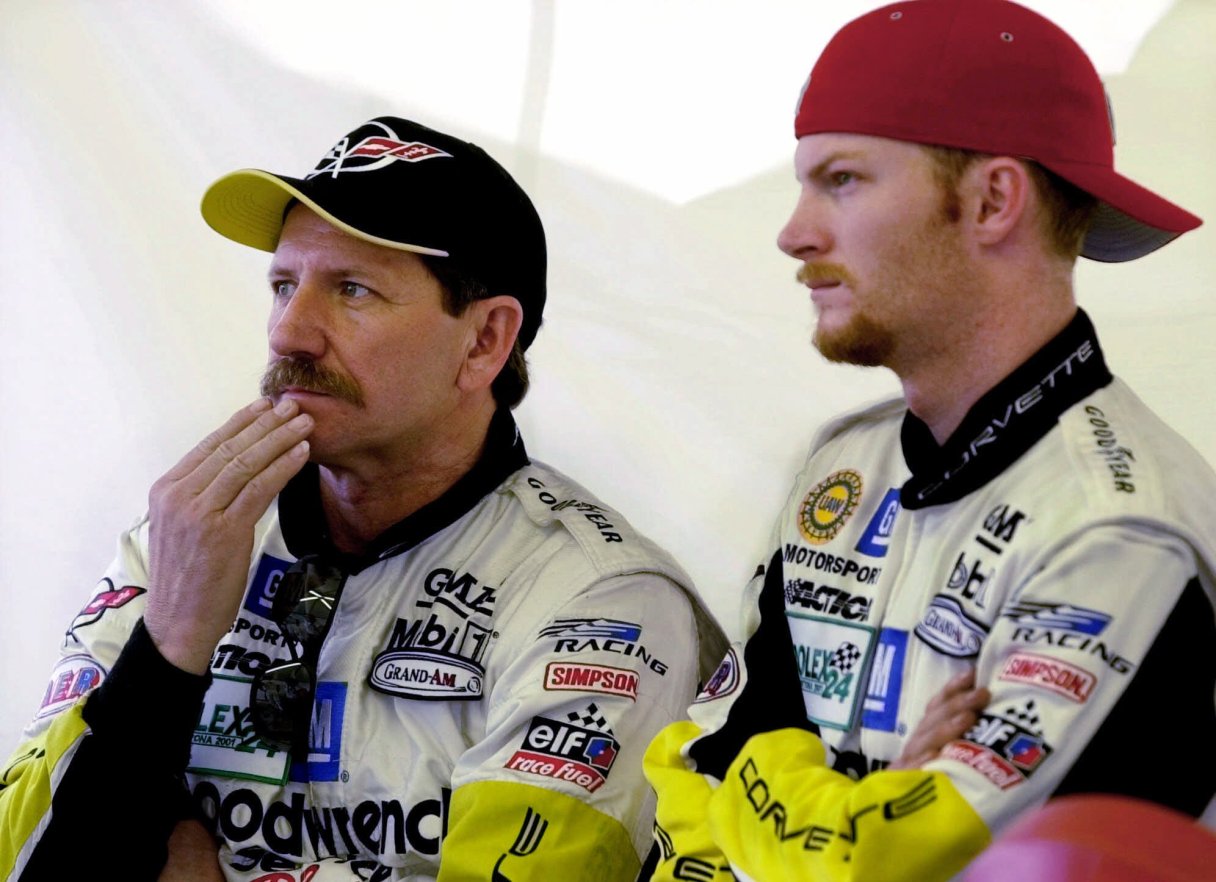
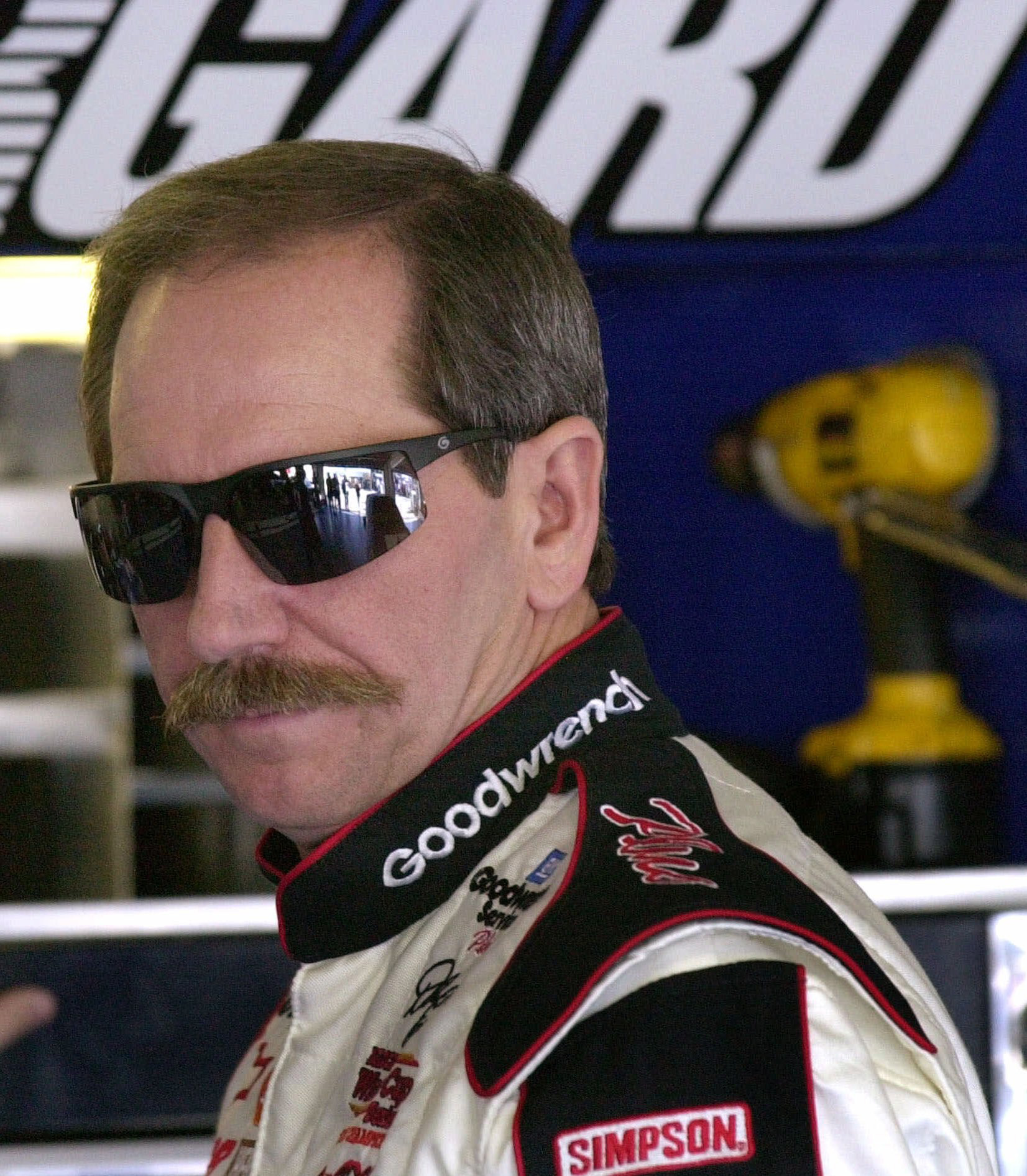
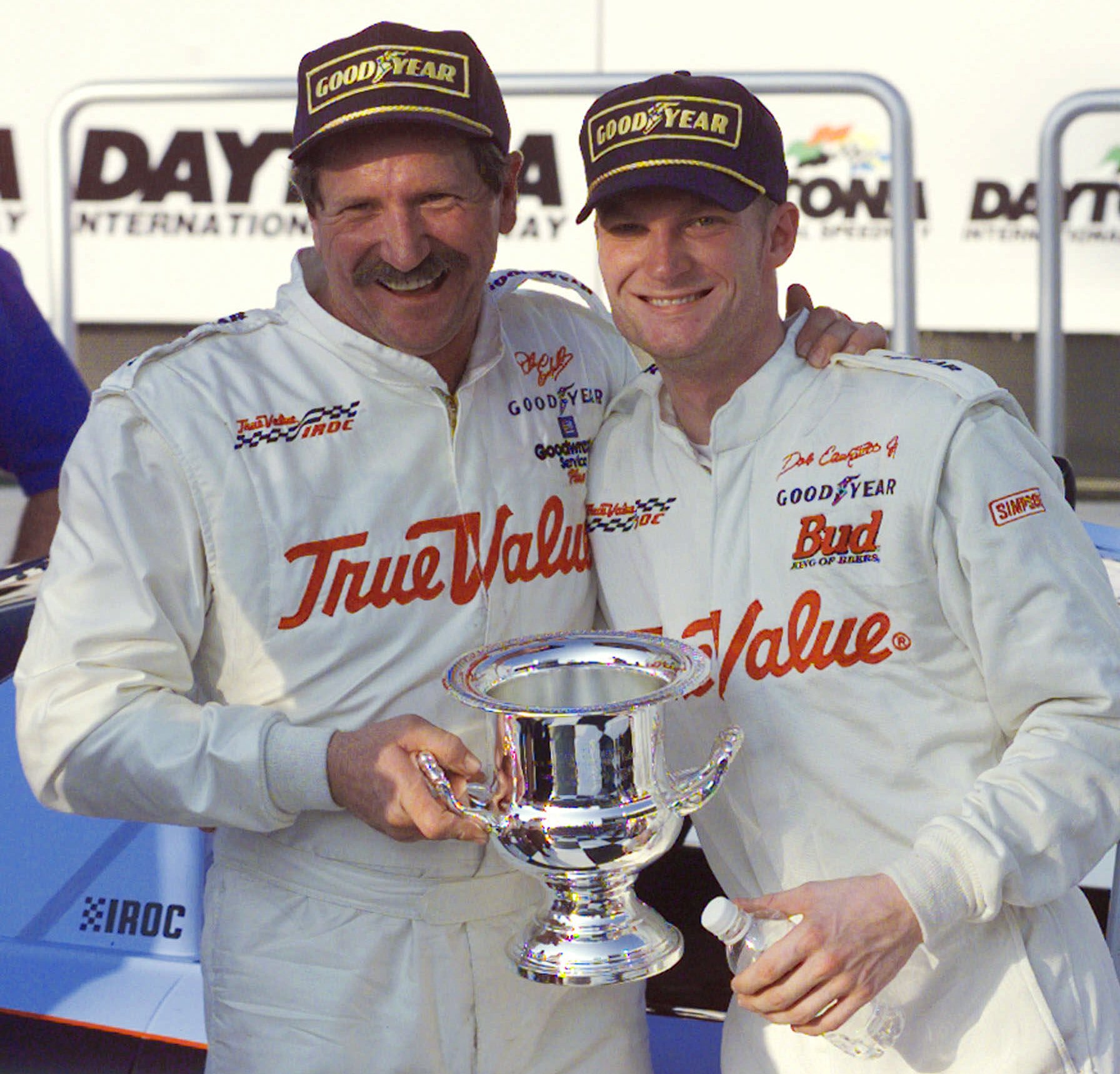
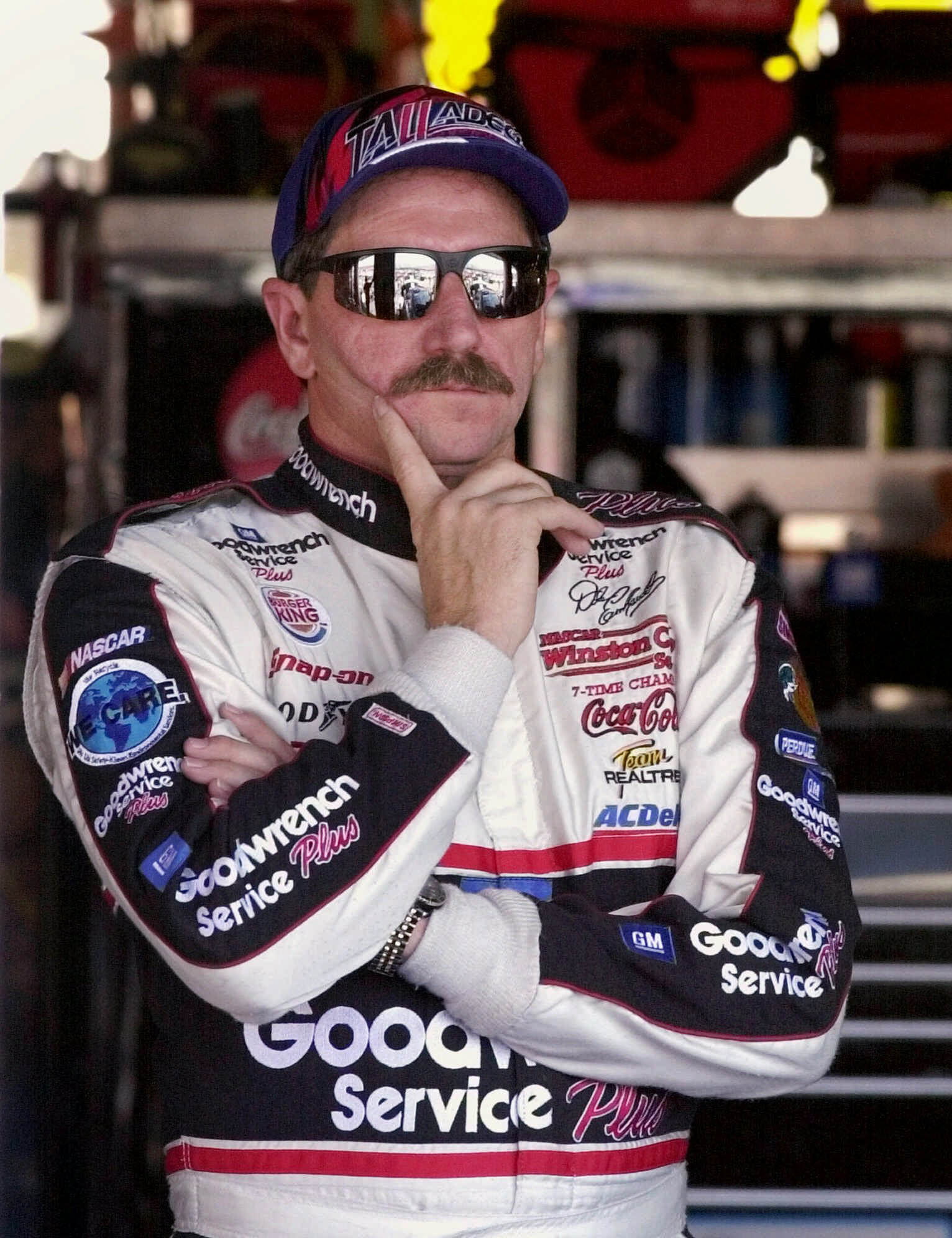
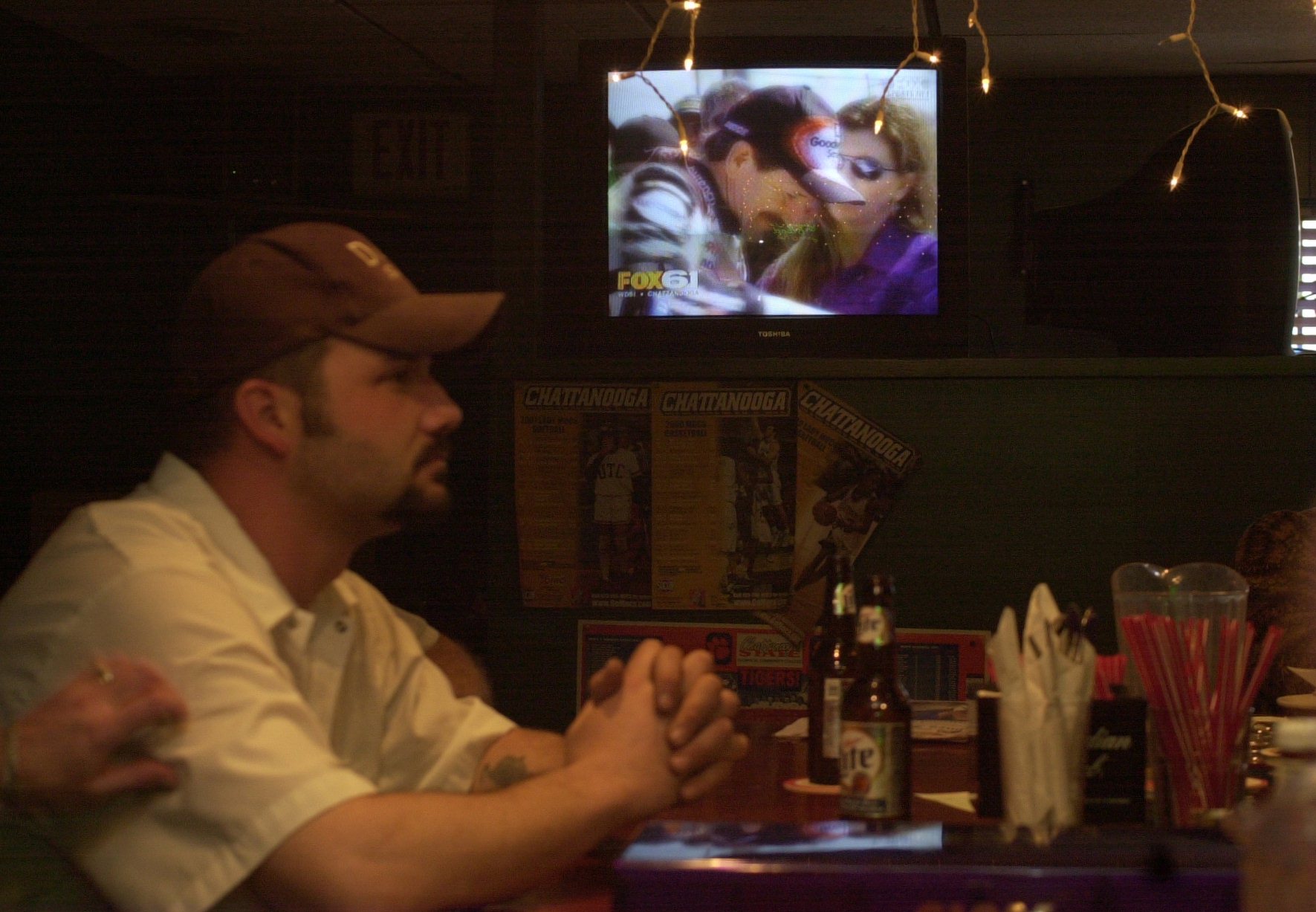
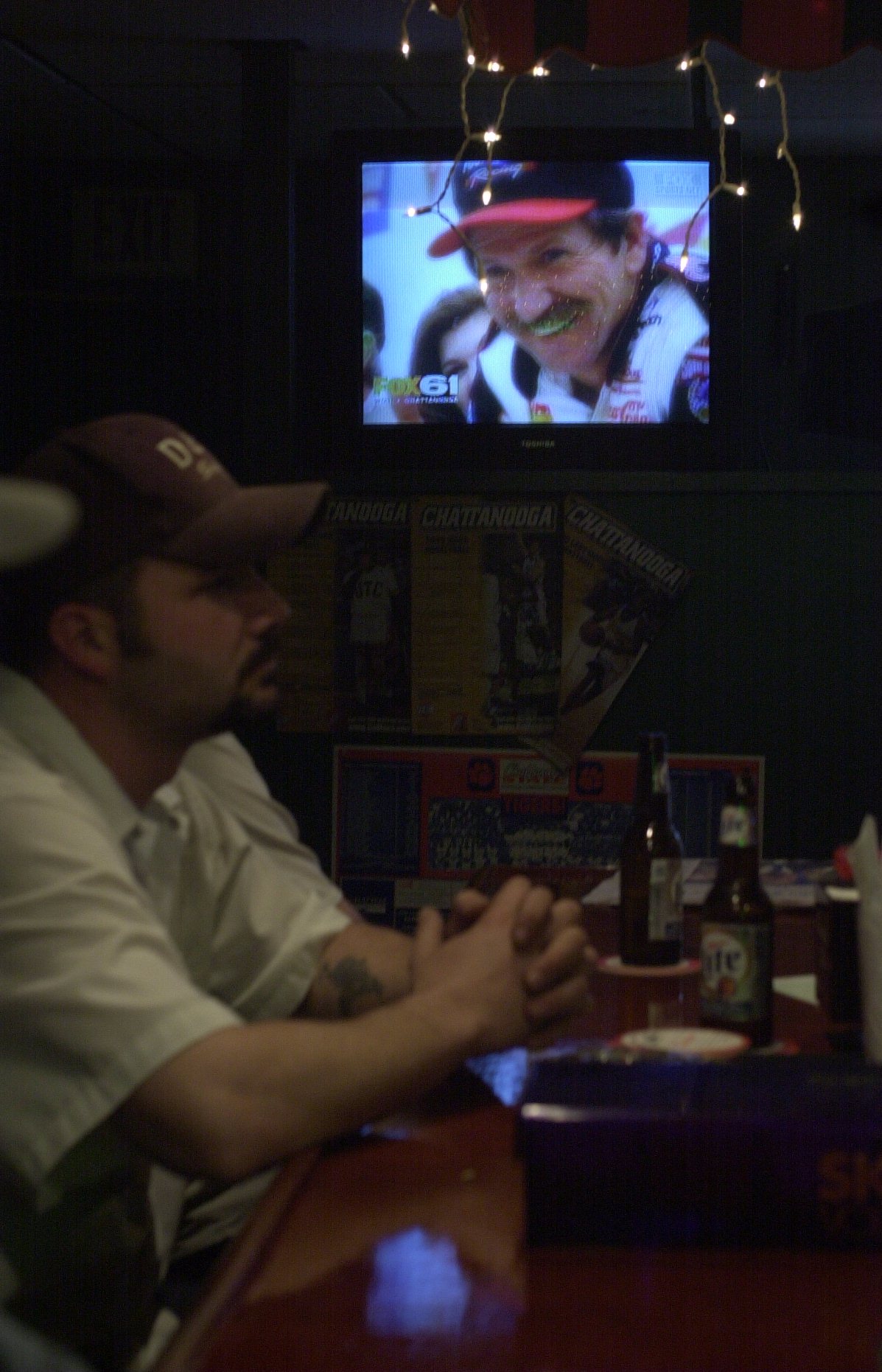
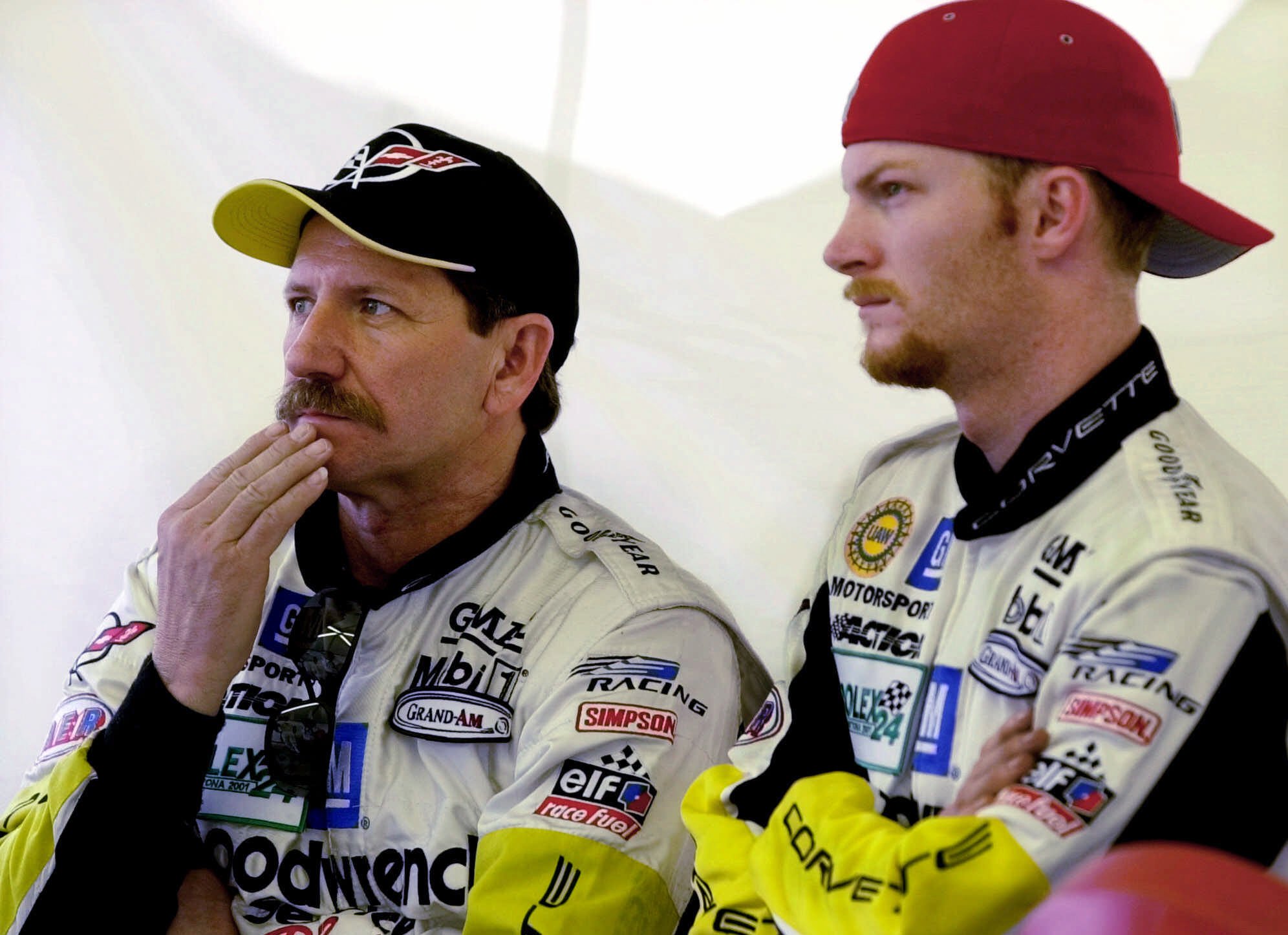
It was 15 years ago this week that Dale Earnhardt died.
It was one of “those” moments for our generation. You remember where you were. Exactly.
In retrospect, it’s hard not to wonder how much different NASCAR would be if its most popular star and one of the sport’s three best drivers ever had not died on turn four that Sunday afternoon at Daytona International Speedway.
NASCAR was about to enter its most profitable run ever. The 2001 Daytona 500 was the first race broadcast by Fox in a TV deal that was valued at almost $3 billion at the time, and it helped the sport unify its message. Before that deal, NASCAR’s TV deals were negotiated by each track, and it was almost impossible to know which station had which race on which weekend.
This was taking it to the mainstream, and that debut was amazing, with Darrell Waltrip calling his brother Michael’s first Daytona 500 win – and his first career win in almost 500 starts – with a young Dale Jr. finishing second as his father blocked the rest of the field.
The crash killed Earnhardt almost immediately and led to a number of safety changes within the sport. That part was good.
But as NASCAR was ascending with that new TV deal – and remember, in the early 2000s there was a lot of “NASCAR’s the next big thing” buzz – there were a lot of other changes, too.
NASCAR made many moves, with most of them negatively perceived by a chunk of the hardcore fan base, in an effort to appeal to a national audience. Brian France, who took over NASCAR’s leadership in 2003, made a lot of those changes, and while no one could have foreseen how hard the financial crisis of 2008 would affect everything – in the sports world, NASCAR and women’s golf were severely hampered – a lot of France’s moves were designed to make NASCAR more mainstream.
A lot of them backfired. The car changes, the fluctuating rules on engagement, the different championship rules, you name it. It was confusing and counterproductive in the long run.
It’s hard not to think that Earnhardt would have had a voice in a lot of those decisions. He was a trusted ally and a friend of Bill France Jr., Brian’s daddy and predecessor in running the organization. Even if every decision had been exactly the same, if Earnhardt had endorsed those changes, the old-school fans would have been way more likely to sign on.
Plus, as Jeff Gordon, Tony Stewart and eventually Jimmie Johnson started to rule the sport through the 2000s, the rivalries that Earnhardt would have formed – and the support he would have generated – would have greatly helped NASCAR’s attempt to go big time.
He was one of the great lightning rod stars individual-based sports crave. If you were an Earnhardt fan, then you watched to see what he did. If you were a fan of anyone else, you watched your guy – and then you watched to see what Earnhardt did.
His presence through the growing pains of the sport in the 2000s would have created dozens of extra story lines. It would have fostered growth beyond the bottom line.
Ask yourself what the main stories are heading into Sunday’s running of the Great American Race? Will a famous son – Dale Jr. or maybe Chase Elliott – win? Will there be an upset? Will the retired Gordon be a boom or a bust in his true broadcasting debut?
Beyond that, well, there are fast cars and left turns.
Earnhardt also would have been a media treasure as NASCAR moved into the mainstream. His tell-it-like-it-is style would have been embraced and appreciated. Think Andy Griffith meets Gregg Popovich with a little bit of a turbo-charged Twain (and twang) mixed in.
It would have been glorious.
Fifteen years later, though, that’s sadly all we’re left with – “would have been.”
Contact Jay Greeson at jgreeson@timesfreepress.com.