

Chris Ray: Q&A
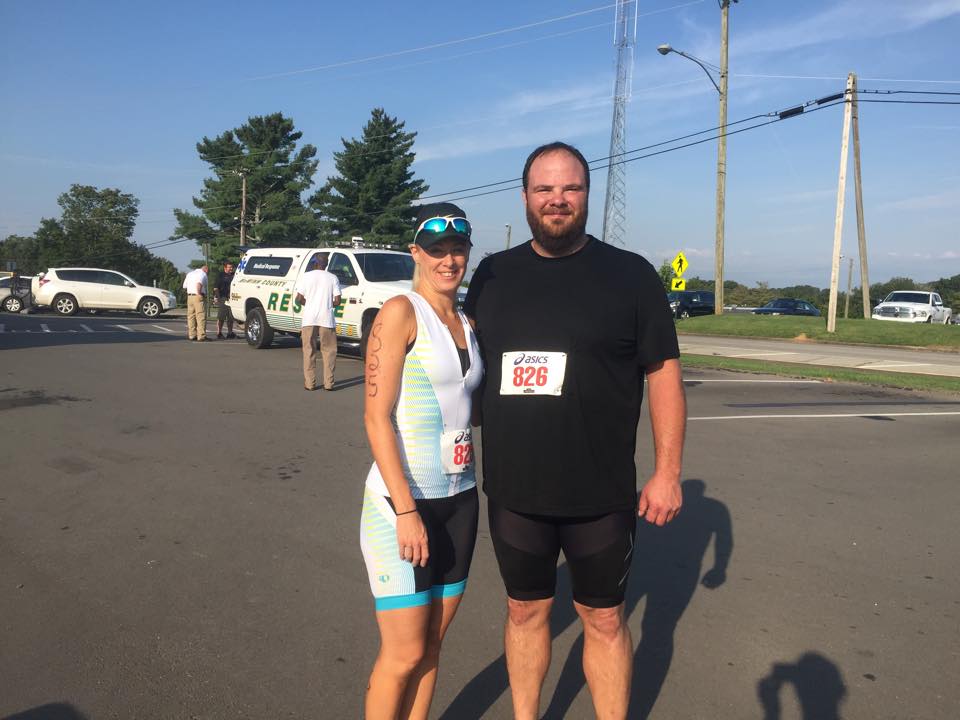
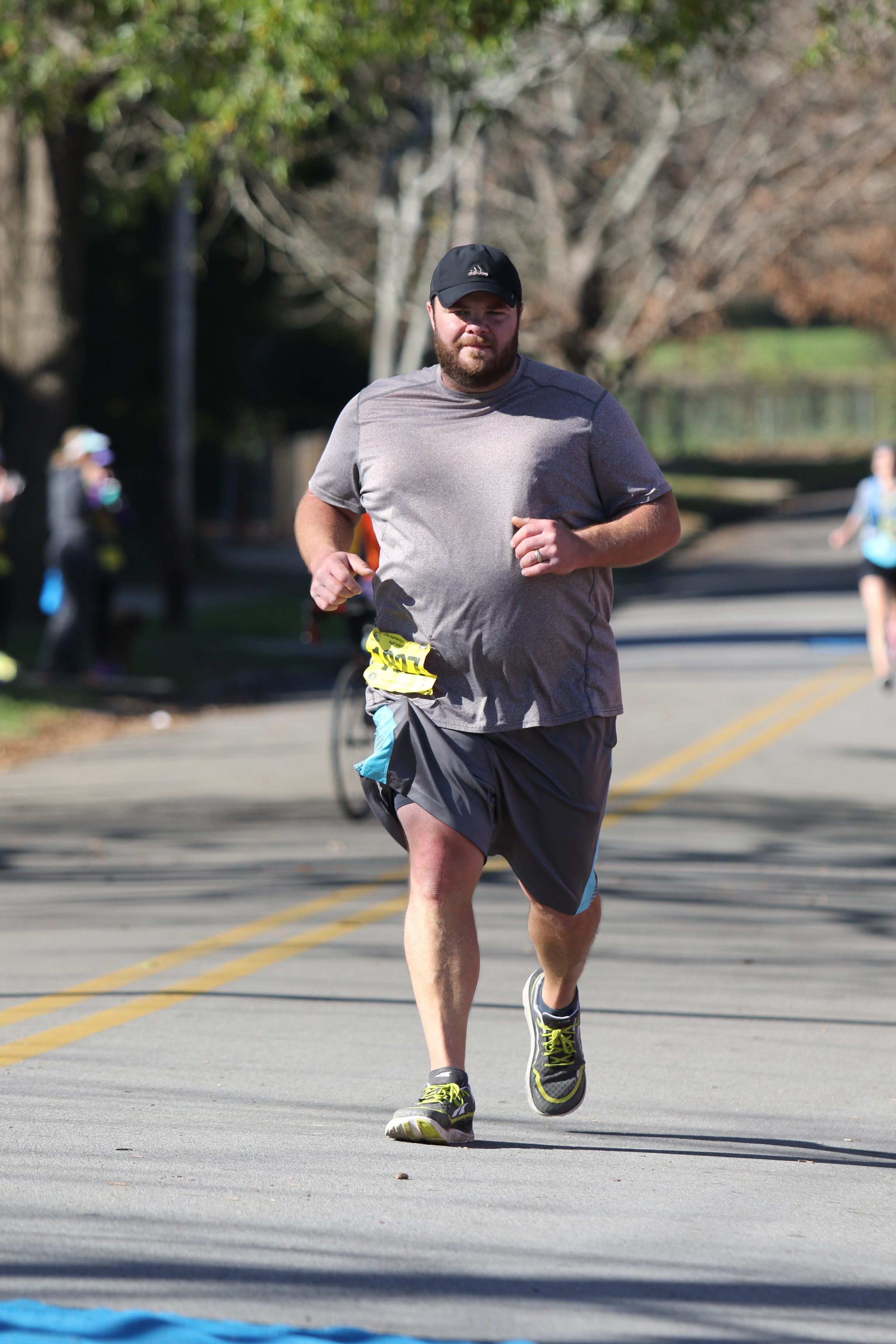
Q: What’s your best event?A: “Definitely not running,” Chris laughs. “I really do enjoy the bike but I think it’s going to wear me down because it’s so long. So if you’re talking about being in the mix or close to it, it’ll probably be the swim.”Q: What do you see as your biggest challenge?A: “It’s probably going to be the last 5k on the run. Even though I started running before I started anything else, it’s my weakest event. I have a really hard time with cramping. I did the Chattanooga Half Marathon [in March] and the Chickamauga Battlefield Half Marathon [last November] was my first one. The last 3 or 4 miles it was a struggle just to get through it because of the cramping. We’re trying to work through it with my nutrition plan.”Q: Your initial goal was to get fit. How’s that going?A: “I’ve lost 26 pounds from July of last year,” says Chris, adding that he feels so much better as well. “Since I started racing, I don’t even know what I weighed because the scale that stops at 350 wouldn’t weigh me. So I probably weighted 360 pounds and now I’m at 293.”
What is AS?
According to the Angelman Syndrome Foundation, AS is diagnosed in 1 in 15,000 children. It’s a relatively new discovery; the genetic factor involved in the diagnosis was only identified in 1997. Symptoms include varying degrees of developmental delays, seizures, a happy demeanor, lack of speech, and a delayed ability to walk as well as balance issues.» Learn more: Visit angelman.org.
Ironman Chattanooga 70.3
Watch for Chris Ray out on the course! Ironman 70.3 is hitting the Tennessee River and the streets for the second year in a row May 20-22. Check out vendor booths with exclusive Ironman merchandise in the days leading up to the race on the 22nd, when you can watch as thousands of Ironman hopefuls strive toward the finish line. Find a schedule of events and other need-to-know information at ironman.com.
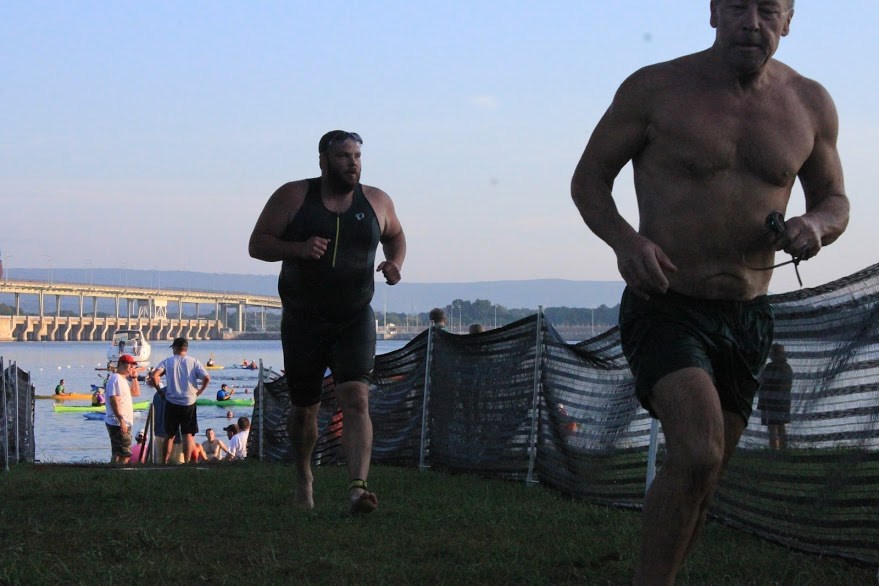
Before the sun’s warmth reaches the Ray family farm on its hilltop in Ringgold, Georgia, Chris Ray is already pedaling furiously on his trainer or running on his treadmill. As one of the thousands who will plunge into the Tennessee River at the swim start on May 22, Chris is preparing for his first Ironman event, the upcoming 70.3.
After his early morning workout, Chris heads to his recruiting job with MRI Network by 8:30 a.m., works until lunch – when he puts in another vigorous workout by running around his office building, swimming at the YMCA or biking at Enterprise South Nature Park – and then goes home to spend time with his wife Michelle and three daughters: Gracie, 12, Addie, 9, and Mercy, 4. “I really try to sacrifice a little bit of sleep or really put in a hard workout during my lunch hour instead of taking time away from the family,” says Chris, seated at his kitchen table.
Until recently, he spent his evenings collecting trash for a local apartment complex as a second job, but “the girls missed him,” Michelle says as she bustles around the family’s kitchen, stopping for a moment to affectionately touch Chris on the shoulder. “Addie wouldn’t go to sleep without him here.”
Even in the best of circumstances, Addie usually only sleeps an average of six hours a night, and that’s with the help of medication. She was born with Angelman syndrome, a rare neuro-genetic disorder characterized by developmental delays, seizures, lack of speech and more. So, though she’s the size of a typical 9-year-old, Addie’s brain is developmentally more like a 6-month-old’s, give or take a few months. She toddles happily around her farm home, pacifier firmly in her mouth, all while being carefully watched over by her parents and sisters.
“All in all, [Ironman] is about going through the grind because our life is somewhat like a grind, especially at times,” muses Chris. “I’m sure everybody’s is, but there’s definitely times we struggle with some things that are probably a little out of the ordinary because of Addie’s condition.”
Beating the Odds
Michelle describes Addie’s birth as the easiest and most triumphant event. “She was born in one hour from start to finish on the bathroom floor,” she says, quickly adding, “We meant to have her at home. I’m a home-birth midwife.”
The ease of her birth was not telling of what was to come. Michelle, who makes a living teaching women how to nurse their babies, was having trouble nursing Addie. At 4 months, her pediatrician said Addie was in danger of failing to thrive. He cut a large hole into the nipple of a bottle and directed Michelle to feed her that way.
At 8 months, Addie was overweight. “The child was so fat that I took her back because she couldn’t sit up,” jokes Michelle. “Her doctor said, ‘Oh my, now you have the opposite problem, but I think there’s something wrong.’ Chris and I thought that, too. At 8 months old she wasn’t sitting up, she wasn’t babbling, she wasn’t doing any of the normal stuff.”
Doctors and geneticists threw around various diagnoses that didn’t quite seem to fit. Michelle went out and bought a computer just to do her own research, and that’s when she came across the extremely rare Angelman syndrome. She called the doctors and, after some convincing, they ran the very expensive test for the syndrome. As Michelle expected, it came back positive. “I already knew and was so sure, but I don’t think Chris was quite prepared for the news. He about passed out on the floor,” she says.
“All we had heard were terrible things [about AS],” says Chris. Doctors and therapists said Addie would never walk. She’d live off a feeding tube. She’d basically just sit in a corner and drool.
“Look at her with those flowers. I can hear her laughing,” Michelle says with a smile as she gazes out the kitchen window at the girls playing on the swing set in the backyard. Gracie and Mercy have given Addie a fistful of wildflowers to enjoy while they push her on the swing. “She likes to move all the time; all day long, every day. She loves roller coasters – anything with speed. If she’s not moving, she’s not happy.”
The therapists were wrong, says Michelle. Addie can walk, though she can’t run. She can eat on her own – especially if it’s junk food, much to the chagrin of her clean-eating parents. She can laugh and interact and love.
“They can all do that,” Chris says, referring to other kids who are diagnosed with AS. “The doctors just didn’t know.”
Running the Race
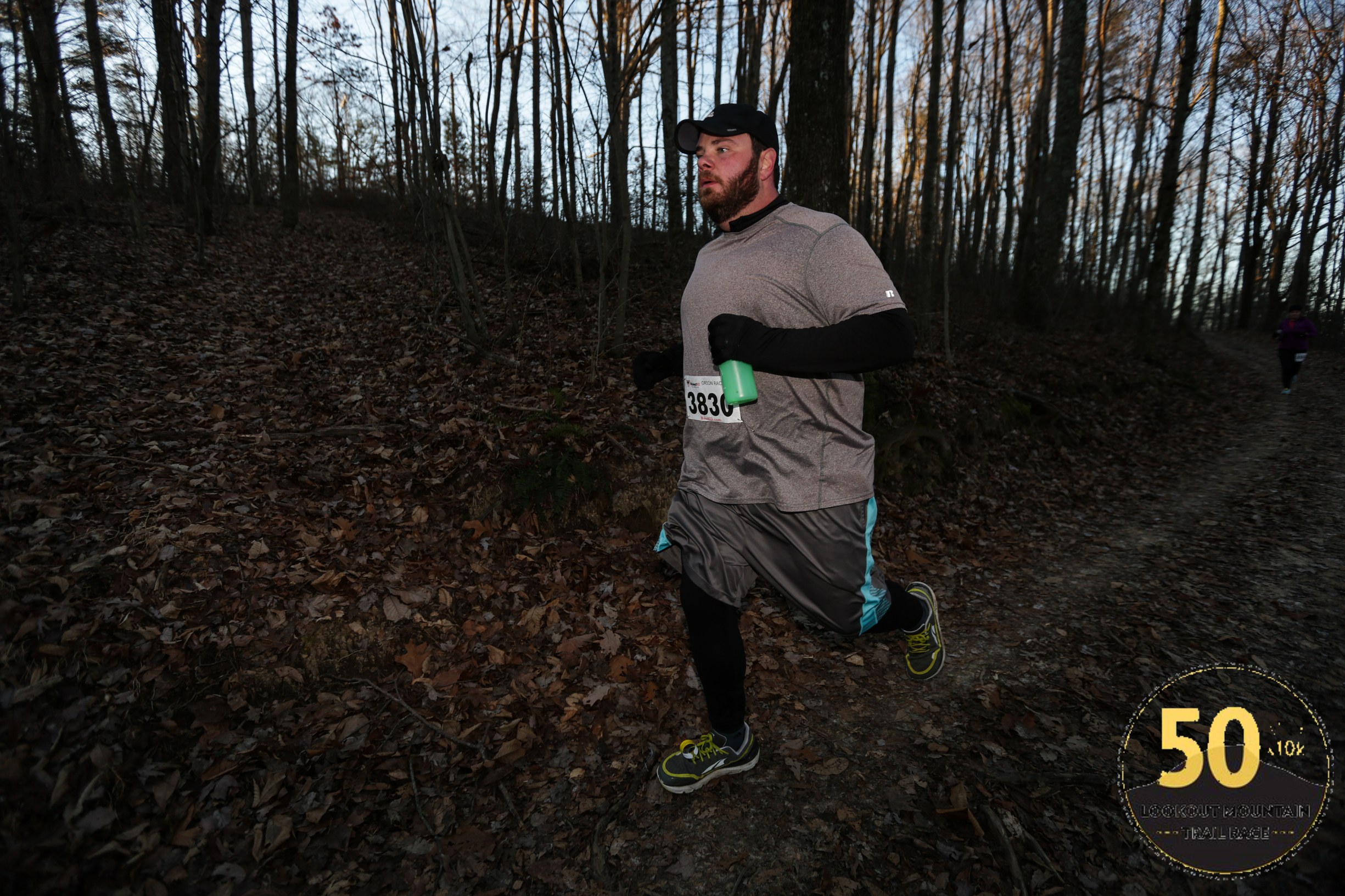
Over the past couple years, both Michelle and Chris became interested in running and, subsequently, triathlons. They started with the Sportsbarn Sprint last summer (which Michelle had to miss at the last minute because a client went into labor) and another sprint in Athens. The initial goal was to get in shape, but soon they both fell in love with the sport, and set their next big goal as the Ironman 70.3.
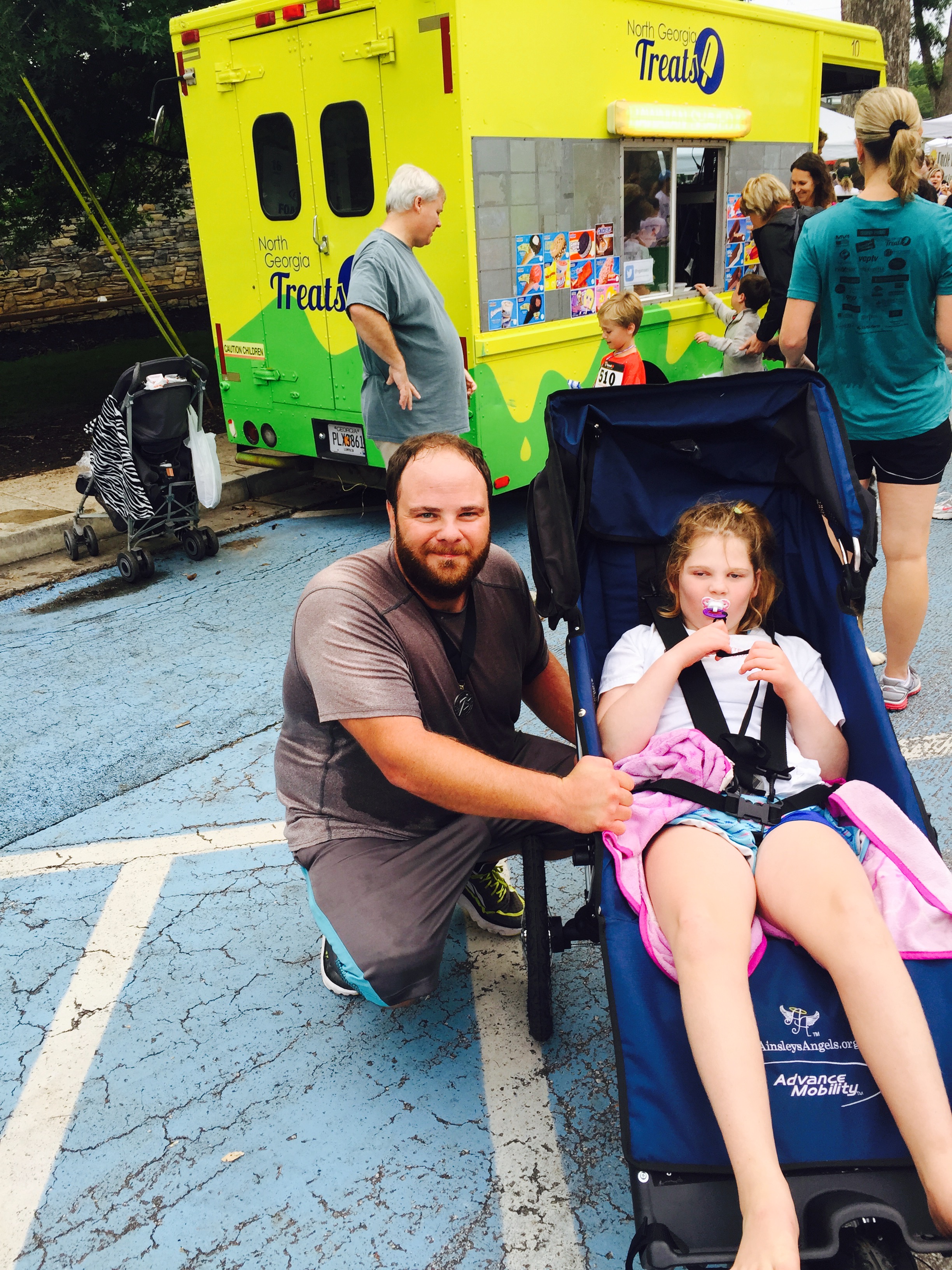
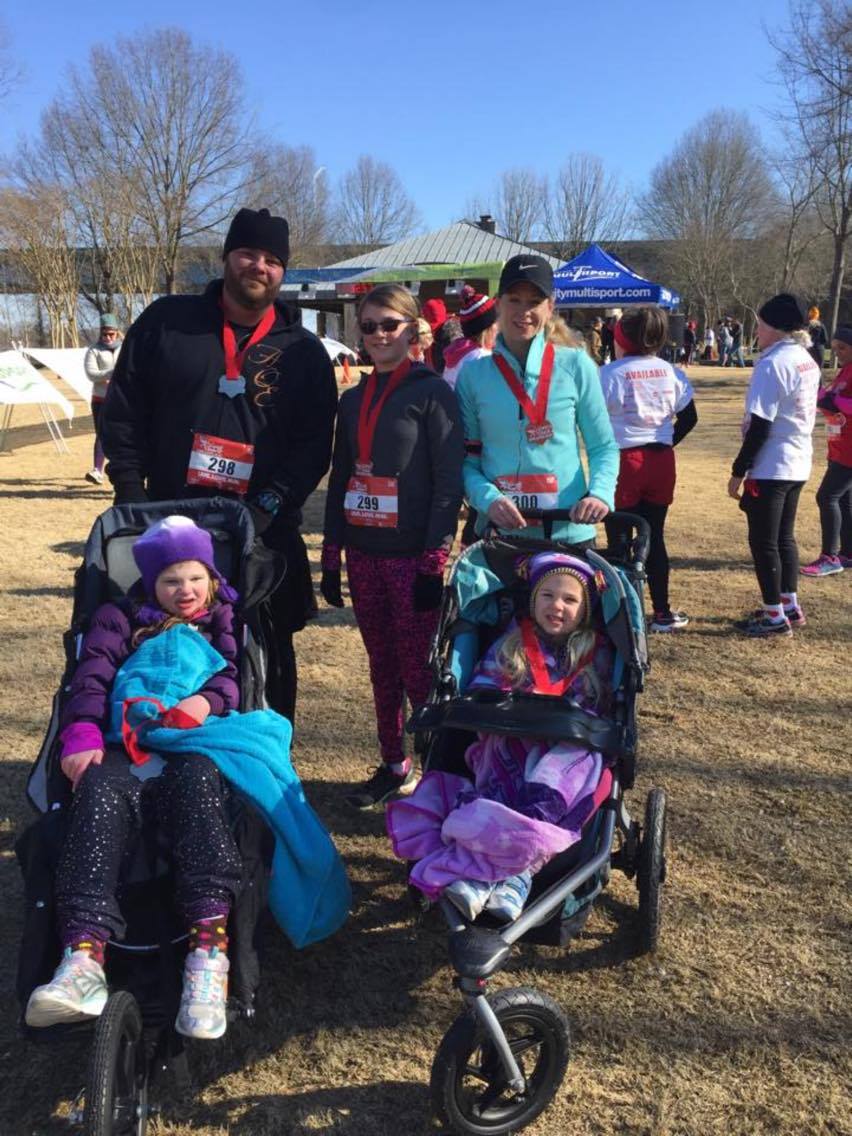
It was Addie’s love of speed and movement that first gave Michelle the idea to start pushing her in a special stroller during their races. Whenever they can – like at the Cupid’s Chase in February and the Dash for Down Syndrome in March – they’ll borrow the very expensive stroller required from a nonprofit called Team Triumph and include Addie in on the action. The benefit is twofold, Michelle says: It raises awareness of AS, and “Addie loves to roll and to move, and she can’t [on her own]. She can hardly walk. She’s never going to run. So, we do it for her.”
Due to a knee injury, Michelle is disappointed to have to sit out the upcoming Ironman 70.3, and Chris says he can’t actually bring Addie along with him on his Ironman journey this May. She would have to be signed up as a physically challenged entrant and the family wasn’t able to do that this year. “We consider that to be the long-term goal,” he says. Upon hearing herself being discussed, Addie stops playing in the living room, walks up to Chris and grabs his arm with a big smile.
Chris does plan to bring her along in a smaller triathlon coming up in Cohutta, Georgia. Addie will even be able to join him on a small raft for the swim and in a bike trailer for the ride, as well as in a stroller for the run. It’s a lot of extra effort on Chris’ part. Triathlons are exhausting enough when the athlete is only responsible for heaving their own body across the finish line. But to both Chris and Michelle, it’s worth it.
“It’s about the pure enjoyment,” says Chris. “When the horn or the gun goes off at the start of a race, Addie just giggles all the way. She loves passing people. If the race is a loop, she’s smiling and giggling when people come back. I feel like her happiness doing that makes other people out there happy.”
Michelle adds, “I want people to know they can do whatever they want no matter what kind of adversity they face. We have really hard stuff. If we can make the time to train anyone can.”
Find out how you can help the Ray family purchase a special racing chair for Addie so she can stay in the action with Chris at .