
Thursday, October 29, 2026Oct 29

This story is free to read.

Tagging source of infection that contributed to orca’s death

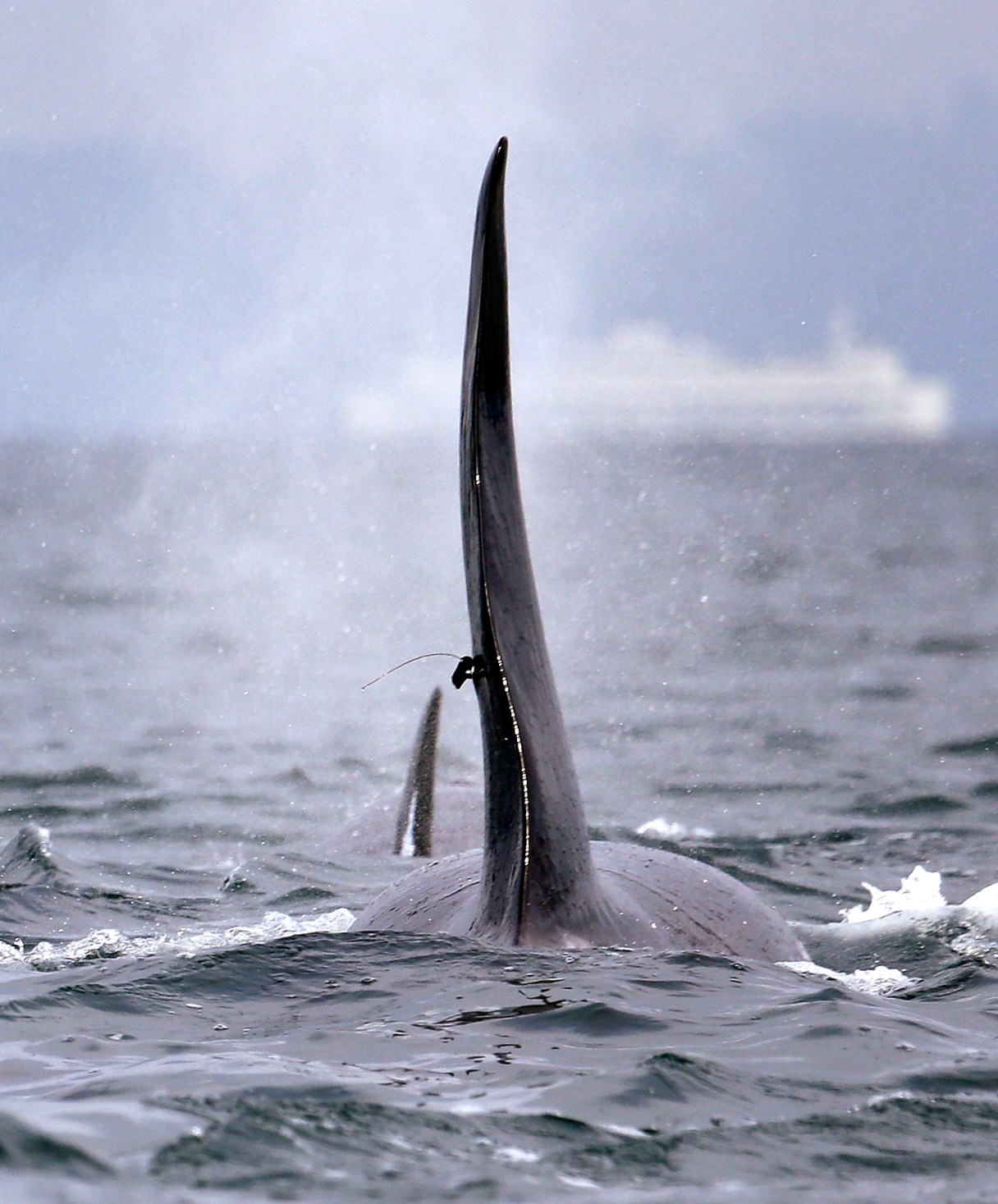
FILE - In this file photo taken Jan. 18, 2014, a satellite-linked transmitter is visible on the dorsal fin of L87, an orca from the southern resident group of killer whales, while swimming in Puget Sound west of Seattle. Federal biologists temporarily halted the satellite tagging program after another endangered Puget Sound orca was found dead, with pieces of a dart tag lodged in its fin. On Wednesday, Oct. 5, 2016, an expert panel said a dart tag deployed on the whale by federal biologists was the source of a fungal infection that contributed to its death. (AP Photo, Elaine Thompson, File)
FILE - In this file photo taken Jan. 18, 2014, a satellite-linked transmitter is visible on the dorsal fin of L87, an orca from the southern resident group of killer whales, while swimming in Puget Sound west of Seattle. Federal biologists temporarily halted the satellite tagging program after another endangered Puget Sound orca was found dead, with pieces of a dart tag lodged in its fin. On Wednesday, Oct. 5, 2016, an expert panel said a dart tag deployed on the whale by federal biologists was the source of a fungal infection that contributed to its death. (AP Photo, Elaine Thompson, File) FILE - In this file photo taken Jan. 18, 2014, a satellite-linked transmitter is visible on the dorsal fin of L87, an orca from the southern resident group of killer whales, while swimming in Puget Sound west of Seattle. Federal biologists temporarily halted the satellite tagging program after another endangered Puget Sound orca was found dead, with pieces of a dart tag lodged in its fin. On Wednesday, Oct. 5, 2016, an expert panel said a dart tag deployed on the whale by federal biologists was the source of a fungal infection that contributed to its death. (AP Photo, Elaine Thompson, File)

SEATTLE (AP) – A satellite-linked tag fired into an endangered Puget Sound orca by federal biologists led to a fungal infection that contributed to the whale’s death, federal scientists said Wednesday.

The National Oceanic and Atmospheric Administration Fisheries released findings into the death of a 20-year-old whale found dead off Vancouver Island in March with fragments of a dart tag in its dorsal fin. The death prompted the agency in April to temporarily halt its dart-tagging program.

Five weeks before the orca was found dead, researchers used a dart to fire the small satellite-linked transmitters into the animals to track where they go in the winter and how they find food. The transmitter is the size of a 9-volt battery and attaches to the orca’s fin with two titanium darts just over 2 inches long. It’s designed to detach over time and leave nothing behind in the whale.

An examination of the dead animal named L95 concluded that a fungal infection entered the orca’s bloodstream, causing the whale’s death, according to a report released Wednesday. A panel of five outside experts also reviewed and agreed with the findings.

Some advocates have criticized the tagging, saying it injures the orcas and there are less invasive ways to monitor the small population of whales.