
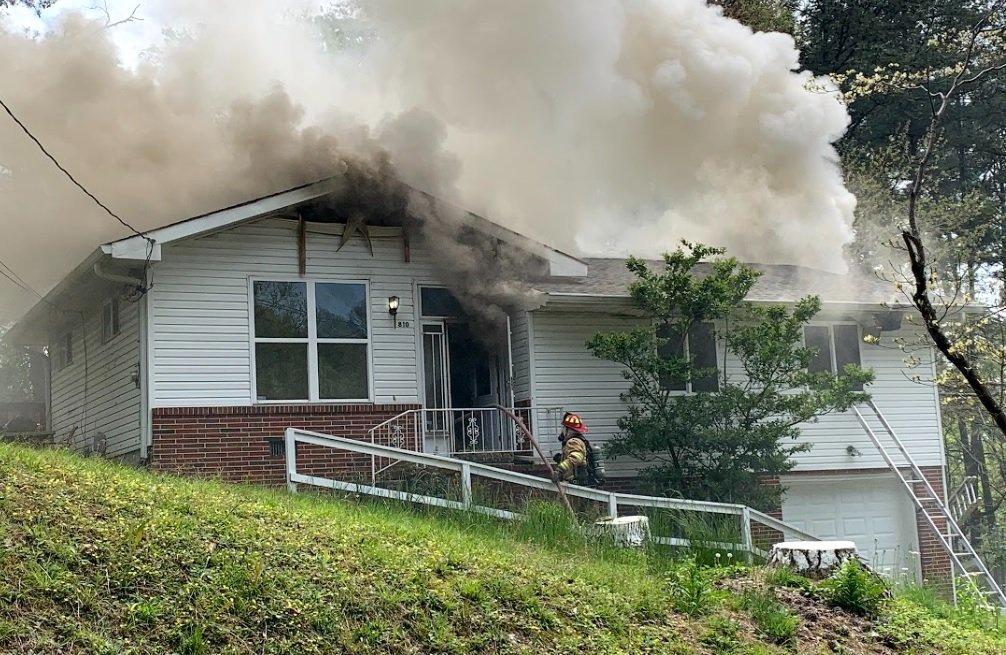
While winter brings traditional holiday festivities, the season’s cold weather also poses enhanced fire-related risks to Tennessee homeowners.
During winter, fire deaths increase by almost 75% across the Volunteer State, according to the Tennessee State Fire Marshal’s office. Heating equipment is the leading cause of home fire deaths nationally and among the leading known causes for home fire deaths in Tennessee.
“Tennessee homeowners can stay warm and safe this winter by remembering to take a few simple steps,” said Gary Farley, assistant commissioner of the Tennessee Department of Commerce and Insurance in a news release. “By making sure to always turn off space heaters when leaving a room, regularly watering Christmas trees, and using working smoke alarms all year long, Tennesseans can reduce risk to themselves and emergency responders.”
A homeowner’s first line of defense against home fires in any season is a working smoke alarm. To help protect Tennesseans and save lives, the state Fire Marshal’s “Get Alarmed, Tennessee!” smoke alarm program continues to stress the importance of fire alarms and making sure their batteries are charged and ready for any potential disaster.
Alarms installed through the “Get Alarmed” program now have 324 verified saves since the program began in 2012. More than 254,000 working smoke alarms have been distributed through the program.