
The federal government is struggling to deliver financial aid to faltering employers – and workers are suffering the consequences. Roughly 10% of American workers filed for unemployment benefits in the past three weeks, a wave of job losses that has no precedent in modern American history. Millions more are struggling to submit unemployment claims to overwhelmed state agencies. And still more face the loss of their jobs in the coming weeks.
The scale of the economic damage is breathtaking. In one recent poll, more than half of all Americans under age 45 said that they had lost their jobs or suffered a loss of hours.
Some businesses may survive the crisis by shedding workers now, but they face long-term costs, too: the loss of trained and experienced workers, the uncertainties of hiring new ones.
The federal government was slow to react to the pandemic. Local officials began ordering businesses to shut down weeks before Congress moved to provide those businesses with the lifeline they so obviously needed. Timely action by itself could have saved millions of jobs.
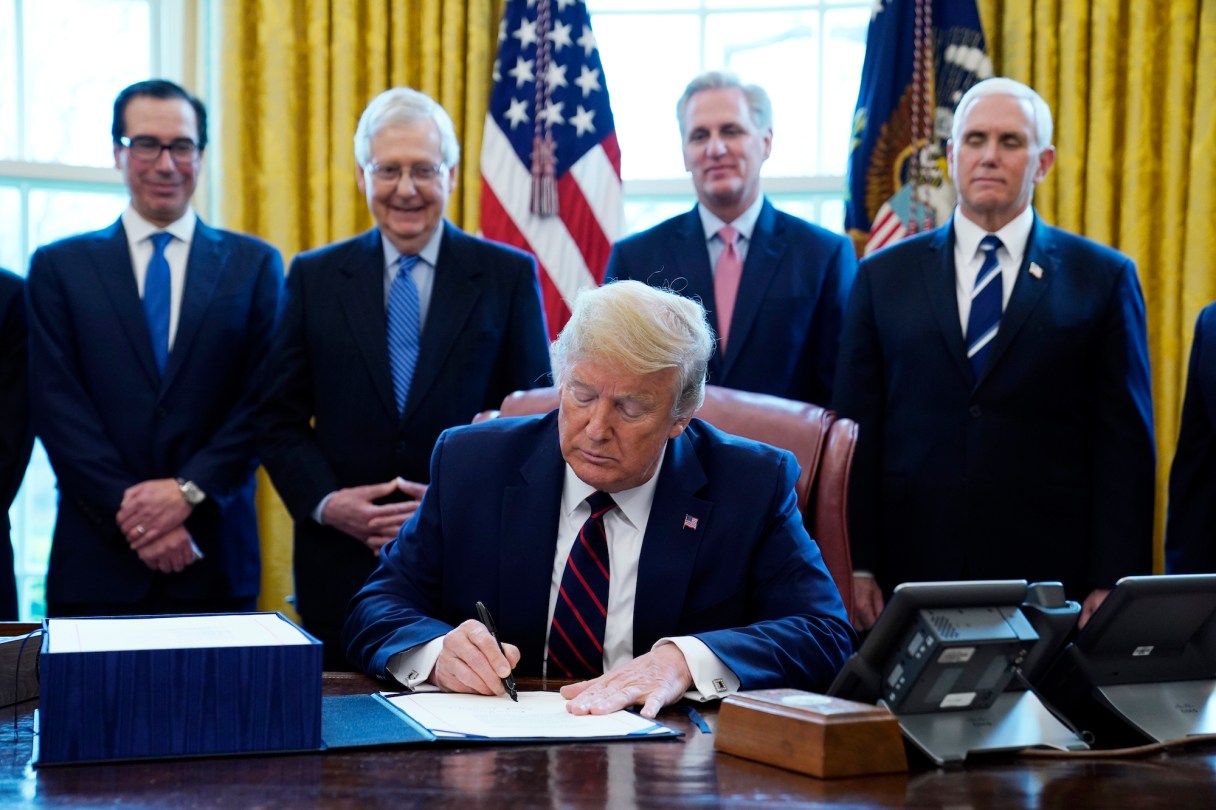
When Congress did act, it failed to grasp the magnitude of the crisis. The aid bill passed at the end of March allocated $349 billion to support small businesses despite warnings from experts that the government needed to provide two or three times as much money to limit job losses. Already Congress is considering $250 billion more in spending, which still is insufficient.