
Thursday, October 29, 2026Oct 29

This story is free to read.

What we currently know about the global cyberattack

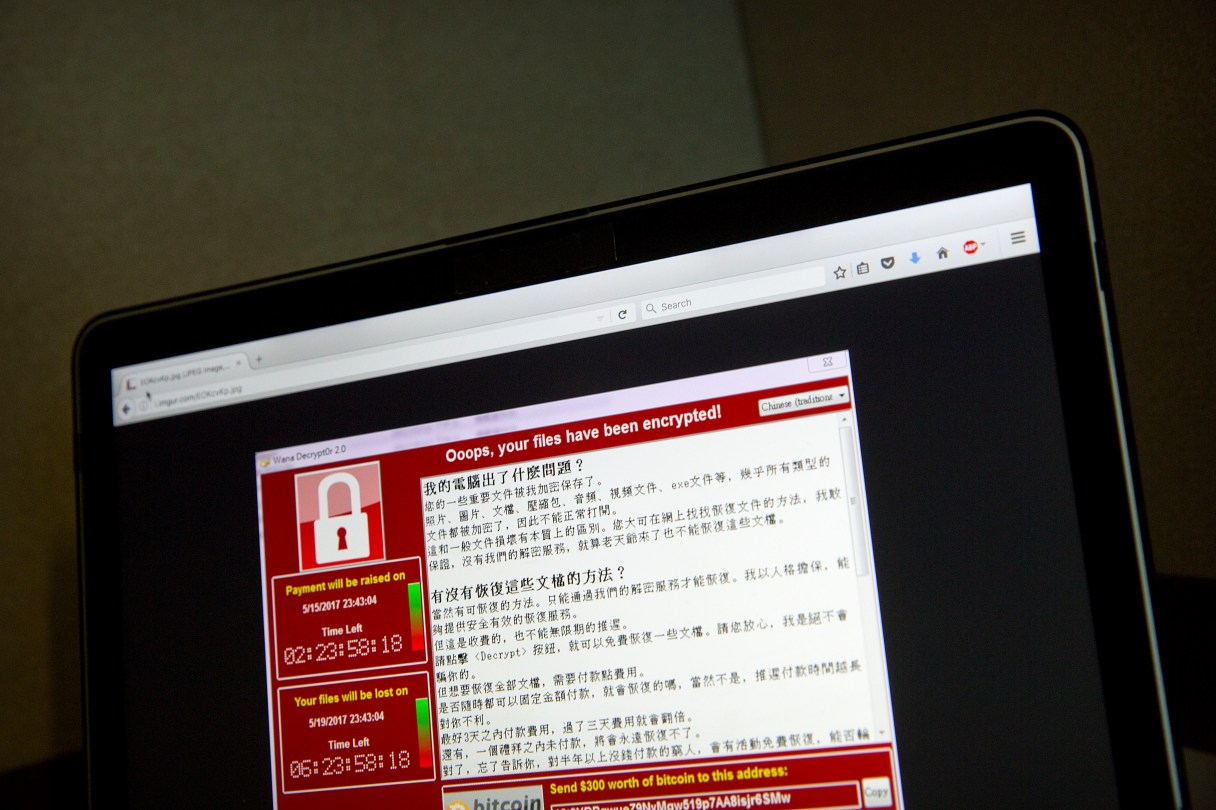
FILE - In this May 13, 2017, file photo, a screenshot of the warning screen from a purported ransomware attack, as captured by a computer user in Taiwan, is seen on a laptop in Beijing. As danger from the global cyberattack continues to fade, analysts are starting to assess the damage. The good news: Hard-hit organizations such as the U.K.’s National Health Service appear to be bouncing back, and few people seem to have actually paid the ransom. The bad: This attack has demonstrated how a new automated form of malware can spread rapidly, potentially encouraging future hackers. (AP Photo/Mark Schiefelbein, File)
FILE - In this May 13, 2017, file photo, a screenshot of the warning screen from a purported ransomware attack, as captured by a computer user in Taiwan, is seen on a laptop in Beijing. As danger from the global cyberattack continues to fade, analysts are starting to assess the damage. The good news: Hard-hit organizations such as the U.K.’s National Health Service appear to be bouncing back, and few people seem to have actually paid the ransom. The bad: This attack has demonstrated how a new automated form of malware can spread rapidly, potentially encouraging future hackers. (AP Photo/Mark Schiefelbein, File) FILE - In this May 13, 2017, file photo, a screenshot of the warning screen from a purported ransomware attack, as captured by a computer user in Taiwan, is seen on a laptop in Beijing. As danger from the global cyberattack continues to fade, analysts are starting to assess the damage. The good news: Hard-hit organizations such as the U.K.’s National Health Service appear to be bouncing back, and few people seem to have actually paid the ransom. The bad: This attack has demonstrated how a new automated form of malware can spread rapidly, potentially encouraging future hackers. (AP Photo/Mark Schiefelbein, File)

NEW YORK (AP) – The danger from a global cyberattack that spread to some 150 nations continues to fade, and that’s only some of the good news.

After two security researchers greatly slowed down that attack , which effectively held people’s documents, photos and other digital files hostage, hard-hit organizations such as the U.K.’s National Health Service seem to be bouncing back. While it’s a crude measure of the impact, it also appears that relatively few of those affected were desperate enough to actually pay the ransom demanded by the attackers.

On the other hand, the attack has served as a live demonstration of a new type of global threat, one that could encourage future hackers.

Here’s what we currently know about the ransomware known as WannaCry, which locked up digital photos, documents and other files to hold them for ransom.

WHERE IT CAME FROM