
Tuesday, November 10, 2026Nov 10

Drownings along Rio Grande spike after enforcement surge

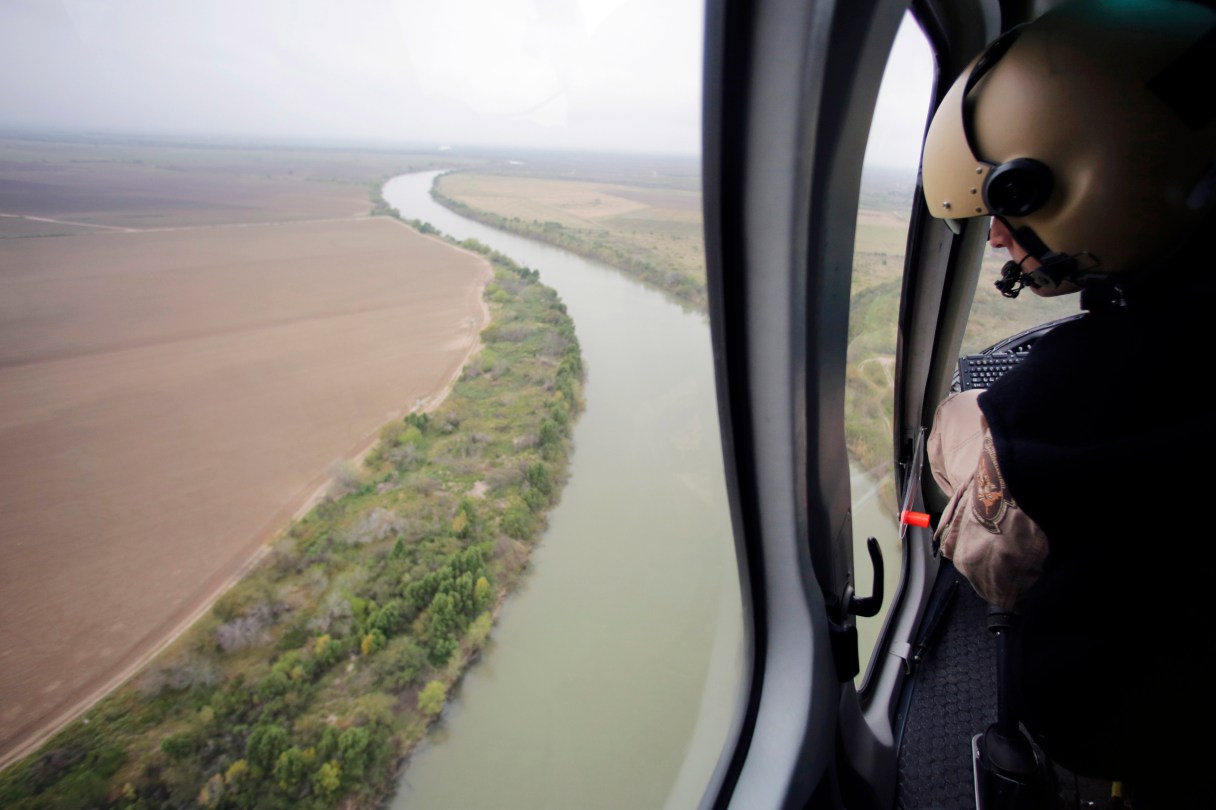
In this Feb. 24, 2015 photo, U.S. Customs and Border Protection Air and Marine agents patrol along the Rio Grande on the Texas-Mexico border near Rio Grande City, Texas. Drowning deaths have spiked since last fall as a surge of law enforcement along the Mexico border prompts immigrants, desperate to avoid detection by a surge of law enforcement, to choose more dangerous and remote crossings into South Texas. (AP Photo/Eric Gay)
In this Feb. 24, 2015 photo, U.S. Customs and Border Protection Air and Marine agents patrol along the Rio Grande on the Texas-Mexico border near Rio Grande City, Texas. Drowning deaths have spiked since last fall as a surge of law enforcement along the Mexico border prompts immigrants, desperate to avoid detection by a surge of law enforcement, to choose more dangerous and remote crossings into South Texas. (AP Photo/Eric Gay) In this Feb. 24, 2015 photo, U.S. Customs and Border Protection Air and Marine agents patrol along the Rio Grande on the Texas-Mexico border near Rio Grande City, Texas. Drowning deaths have spiked since last fall as a surge of law enforcement along the Mexico border prompts immigrants, desperate to avoid detection by a surge of law enforcement, to choose more dangerous and remote crossings into South Texas. (AP Photo/Eric Gay)

MISSION, Texas (AP) – A U.S. surveillance helicopter hovering over the Rio Grande spots a body floating near a muddy bank on the Mexican side of the river.

Soon another body turns up, then another. A Mexican investigator arrives and holds up his hand confirming the grim tally: four men and a woman.

The grisly discovery last month is part of a spike in drownings since October. Immigrants, desperate to avoid detection at a time of increased patrols, are choosing more dangerous and remote crossings into South Texas. The Border Patrol has responded by expanding its search-and-rescue teams to monitor the area, particularly weed-choked irrigation canals where many of the bodies are being found.

“The canals and areas of the river they are trying to traverse, they typically weren’t trying to go across before,” said Raul L. Ortiz, deputy chief of Rio Grande Valley sector.

Encompassing some 320 miles of river, his sector has already seen at least 16 drownings in nearly six months, nearly a third of them in the canals. The tally is only five short of the number of deaths reported from October 2013 to September, when a historic surge of immigrant women and children were crossing into South Texas. Though illegal crossings have decreased dramatically from last summer, more law enforcement officials are patrolling the border to deter another wave of immigrants.