
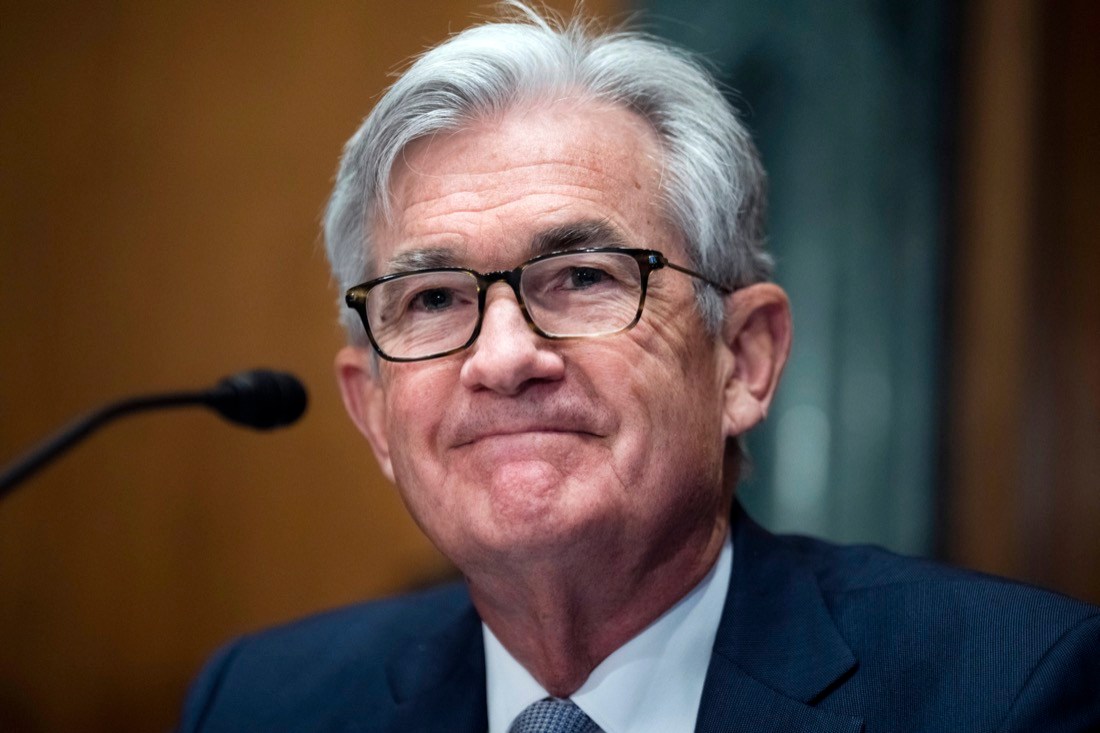
WASHINGTON (AP) – Federal Reserve officials are signaling that they will take a more aggressive approach to fighting high inflation in the coming months – actions that will make borrowing sharply more expensive for consumers and businesses and heighten risks to the economy.
In minutes from their policy meeting three weeks ago released Wednesday, Fed officials said that aggressive half-point rate hikes, rather than traditional quarter-point increases – “could be appropriate” multiple times this year. At last month’s meeting, many of the Fed policymakers favored a half-point increase, the minutes said, but held off because of the uncertainties created by Russia’s invasion of Ukraine. Instead, the Fed raised its key short-term rate by a quarter-point and signaled that it planned to continue raising rates well into next year.
The minutes said the Fed is also moving closer to rapidly shrinking its huge $9 trillion stockpile of bonds in the coming months, a move that would contribute to higher borrowing costs. The policymakers said they would likely cut their holdings by about $95 billion a month – nearly double the pace they implemented five years ago when they last shrank their balance sheet.
The plan to quickly draw down their bond holdings marks the latest move by Fed officials to accelerate their inflation-fighting efforts. Prices are rising at the fastest pace in four decades, and the officials in recent speeches have expressed increasing concern about getting inflation under control.
Financial markets now expect much steeper hikes this year than Fed officials had signaled as recently as their meeting in mid-March.