
Monday, November 9, 2026Nov 9

This story is free to read.

Bank of England keeps rates at record low as economy slows

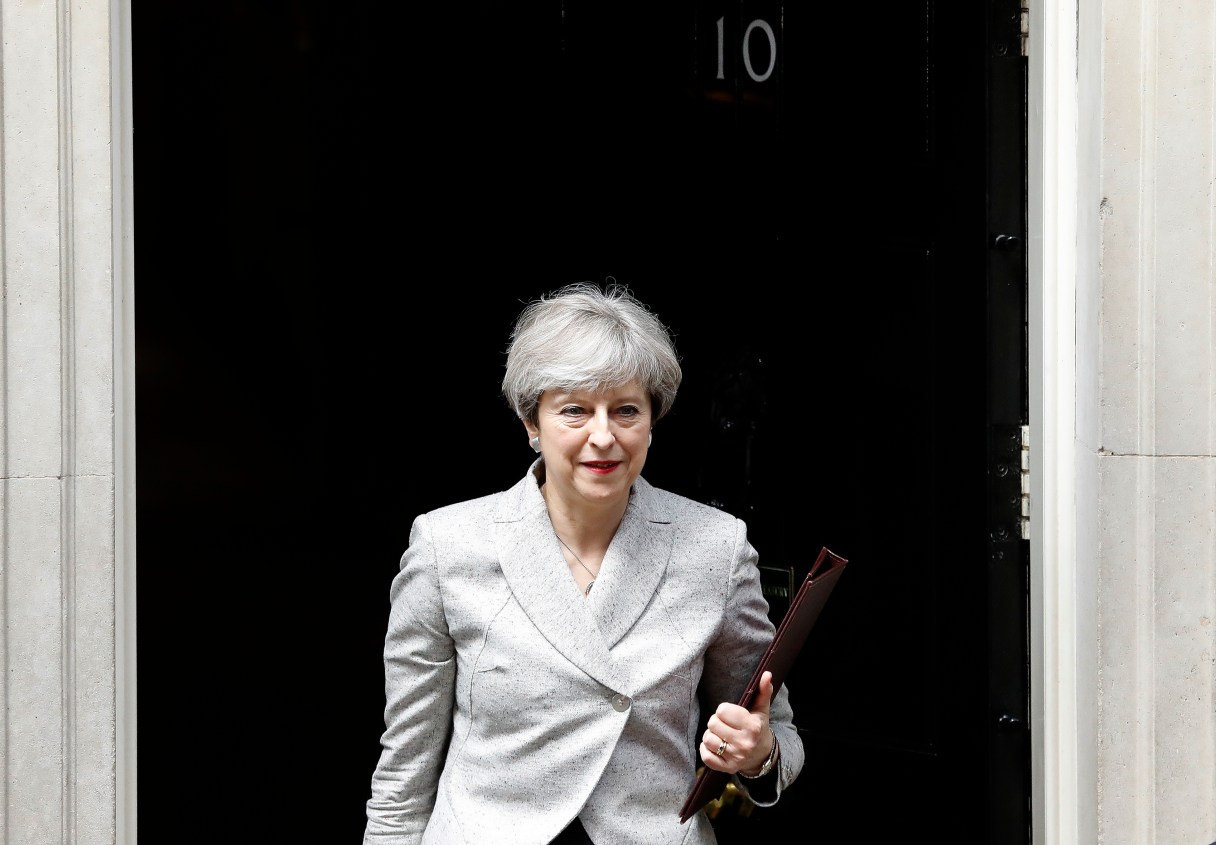
Britain's Prime Minister Theresa May leaves after a meeting with the Leader of Northern Ireland's Democratic Unionist Party (DUP) Arlene Foster at 10 Downing Street after the general election in London, Tuesday, June 13, 2017. Britain's prime minister has begun talks with a Northern Ireland-based party Tuesday to see if they can create an alliance to push through the Conservative Party's agenda after a disastrous snap election left her short of a majority in Parliament. (AP Photo/Frank Augstein)
Britain's Prime Minister Theresa May leaves after a meeting with the Leader of Northern Ireland's Democratic Unionist Party (DUP) Arlene Foster at 10 Downing Street after the general election in London, Tuesday, June 13, 2017. Britain's prime minister has begun talks with a Northern Ireland-based party Tuesday to see if they can create an alliance to push through the Conservative Party's agenda after a disastrous snap election left her short of a majority in Parliament. (AP Photo/Frank Augstein) Britain's Prime Minister Theresa May leaves after a meeting with the Leader of Northern Ireland's Democratic Unionist Party (DUP) Arlene Foster at 10 Downing Street after the general election in London, Tuesday, June 13, 2017. Britain's prime minister has begun talks with a Northern Ireland-based party Tuesday to see if they can create an alliance to push through the Conservative Party's agenda after a disastrous snap election left her short of a majority in Parliament. (AP Photo/Frank Augstein)

LONDON (AP) – The Bank of England has decided to keep its main interest rate at a record low of 0.25 percent as the economy weakens ahead of Britain’s departure from the European Union.

With growth slowing, inflation eating into households’ finances and the Brexit talks due to start within days, the bank policymakers showed caution at their policy meeting Thursday.

The bank is in a bind as its main goal is to control inflation, which at 2.9 percent annually is well above the official target of 2 percent. But to bring down inflation it would have to raise rates, which would hurt the economy by making loans more expensive.

The central bank seems willing to tolerate some higher inflation and delay any interest rate increase, especially since Brexit talks could increase uncertainty.