
When raindrops reach the earth, their impact is shaped by geography and by the surface they hit.
Rain on a lawn or field sinks in to give plants a long drink, but rain on a roof or pavement creates a torrent of runoff that carries with it whatever dust, dirt, fertilizer, oil, even raw sewage is in its path until it forms a puddle, a pond, a ditch or finds a storm sewer leading to a waste treatment plant. Either way, it eventually winds up in the nearest river – with or without any filtering.
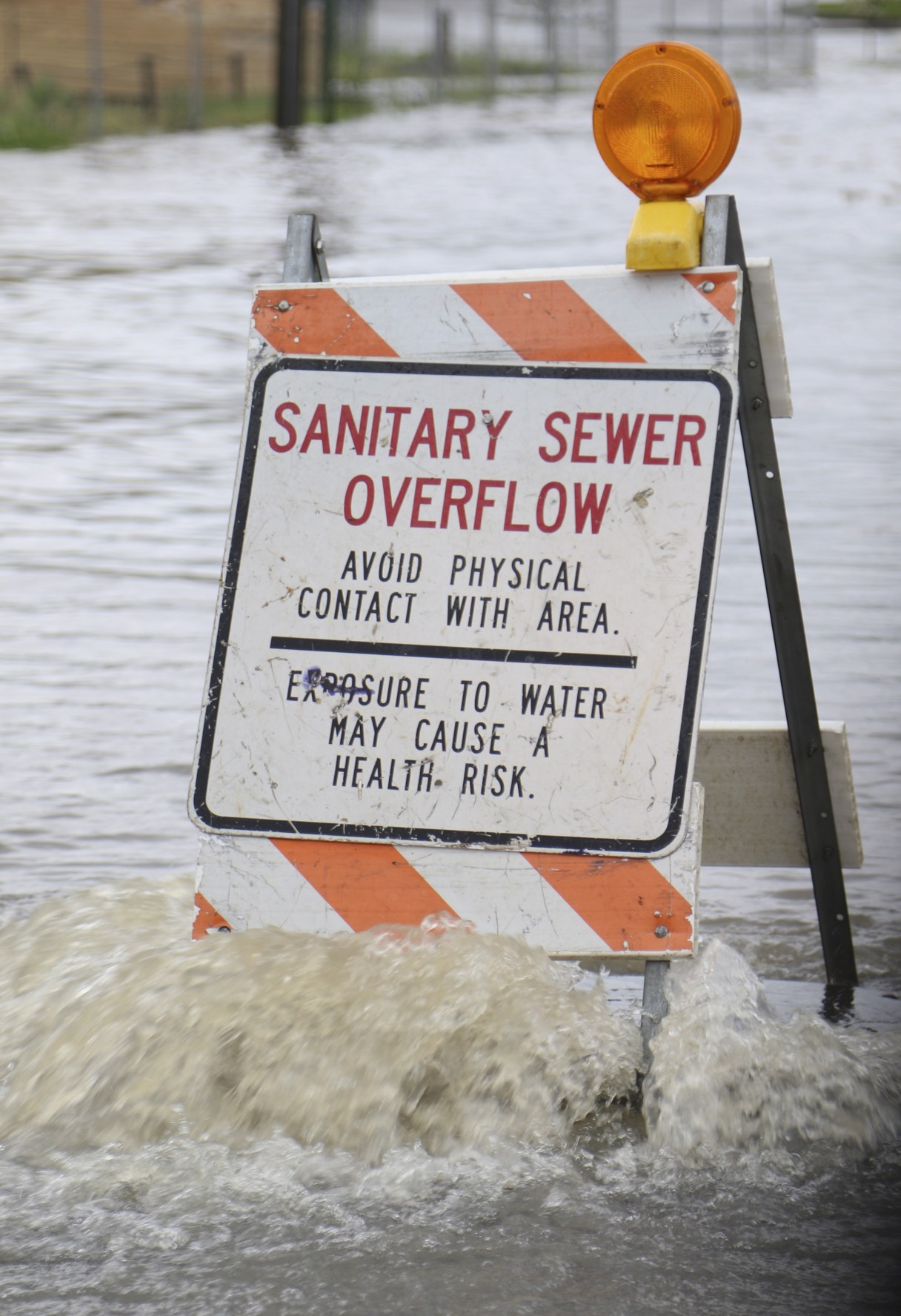
Here, that would be the Tennessee River. And in Chattanooga, where some 70 miles of downtown sewers built more than a century ago mix stormwater runoff with sewage, the result of a heavy rain means that overflows with raw sewage go straight to the river on a fairly regular basis. And in the South Chickamauga Creek area, it means that polluted runoff floods streets and communities before it slowly drains off to sewers or the river.
Chattanooga’s bowl geography makes us unique in many ways. Unique in beauty. Unique as an air pollution pocket under some circumstances. And unique as a Nature-made rainfall runoff catchment system.
So when Chattanooga followed state guidelines and EPA advice a decade or so ago to set storm runoff standards that builders now are chaffing under, city planners and officials were taking our geography and city pocketbook into consideration. Those standards require the first inch of rain falling in a 72-hour period be kept on-site at any new building, subdivision or business. In the flood prone South Chickamauga watershed, the standard was set at holding 1.6 inches. The standards also called for green-design concepts like rain gardens to accomplish the requirements.