
Wednesday, November 11, 2026Nov 11

Profile of a killer: Unraveling the deadly new coronavirus

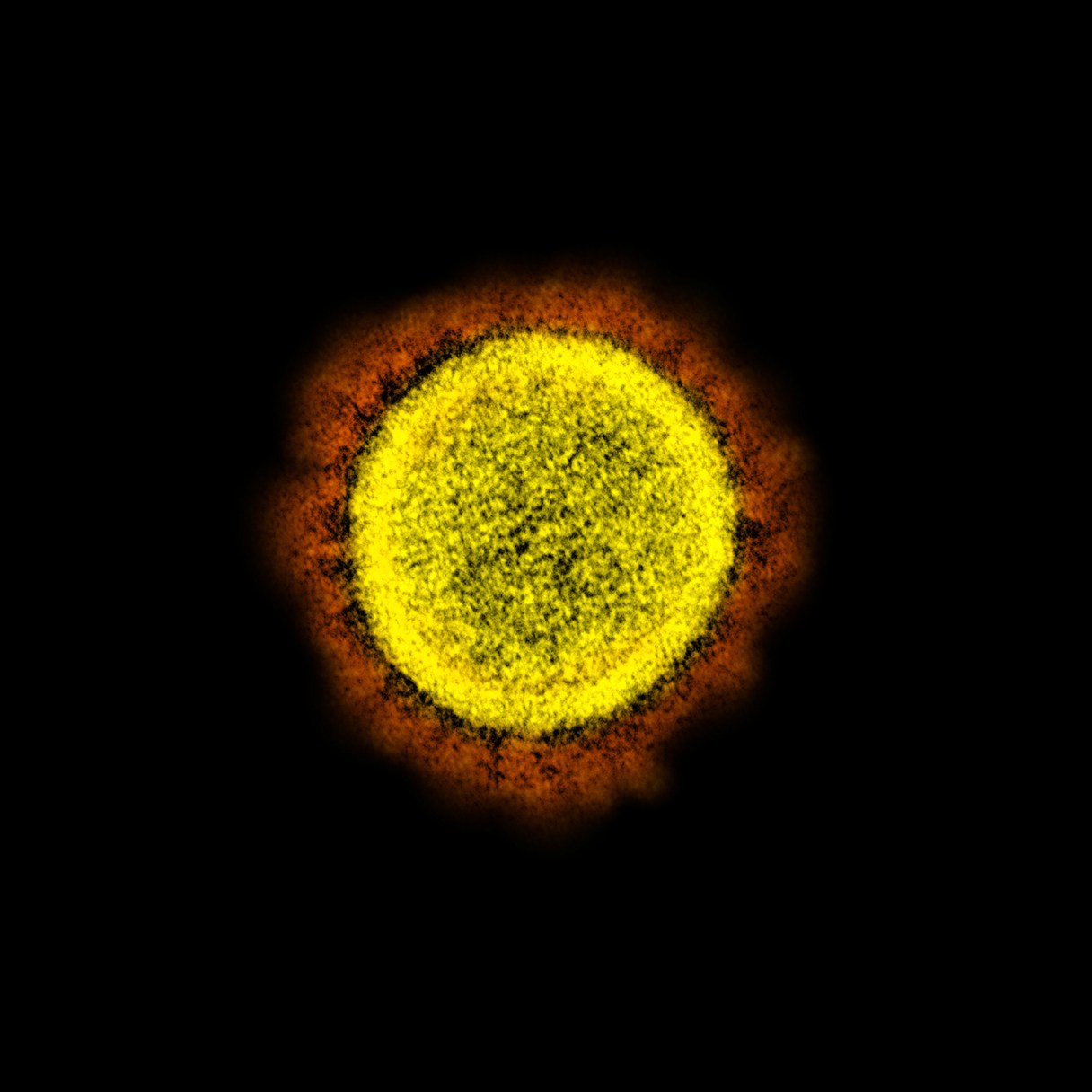
This 2020 electron micrsocope image made available by the National Institute of Allergy and Infectious Diseases shows a Novel Coronavirus SARS-CoV-2 particle isolated from a patient, in a laboratory in Fort Detrick, Md. Coronaviruses, including the newest one, are named for the spikes that cover their outer surface like a crown, or corona in Latin. Using those club-shaped spikes, the virus latches on to the outer wall of a human cell, invades it and replicates, creating viruses to hijack more cells. (NIAID/NIH via AP)
This 2020 electron micrsocope image made available by the National Institute of Allergy and Infectious Diseases shows a Novel Coronavirus SARS-CoV-2 particle isolated from a patient, in a laboratory in Fort Detrick, Md. Coronaviruses, including the newest one, are named for the spikes that cover their outer surface like a crown, or corona in Latin. Using those club-shaped spikes, the virus latches on to the outer wall of a human cell, invades it and replicates, creating viruses to hijack more cells. (NIAID/NIH via AP) This 2020 electron micrsocope image made available by the National Institute of Allergy and Infectious Diseases shows a Novel Coronavirus SARS-CoV-2 particle isolated from a patient, in a laboratory in Fort Detrick, Md. Coronaviruses, including the newest one, are named for the spikes that cover their outer surface like a crown, or corona in Latin. Using those club-shaped spikes, the virus latches on to the outer wall of a human cell, invades it and replicates, creating viruses to hijack more cells. (NIAID/NIH via AP)

NEW YORK (AP) – What is this enemy?

Seven months after the first patients were hospitalized in China battling an infection doctors had never seen before, the world’s scientists and citizens have reached an unsettling crossroads.

Countless hours of treatment and research, trial and error now make it possible to take much closer measure of the new coronavirus and the lethal disease it has unleashed. But to take advantage of that intelligence, we must confront our persistent vulnerability: The virus leaves no choice.

“It’s like we’re in a battle with something that we can’t see, that we don’t know, and we don’t know where it’s coming from,” said Vivian Castro, a nurse supervisor at St. Joseph’s Medical Center in Yonkers, just north of New York City, which struggled with its caseload this spring.

Castro had treated scores of infected patients before she, too, was hospitalized for the virus in April, then spent two weeks in home quarantine. As soon as she returned to the emergency room for her first shift, she rushed to comfort yet another casualty — a man swallowing the few words he could muster between gasps for air.